The MOT test is a critical annual assessment that ensures vehicles meet road safety and environmental standards. For individuals who aspire to become an MOT tester, mastering the MOT test checklist is essential. This guide will provide a comprehensive overview of the key areas covered during an MOT test, helping testers deliver accurate results while maintaining high professional standards. Additionally, for those pursuing a MOT test course, this article serves as a valuable resource to understand the intricacies of the process.
What is an MOT Test?
An MOT (Ministry of Transport) test is a mandatory annual inspection for vehicles over three years old in the UK. It evaluates whether vehicles are roadworthy and comply with environmental regulations. The test covers various components, including brakes, lights, tyres, emissions, and structural integrity.
Why is the MOT Test Checklist Important?
The MOT test checklist ensures that testers follow a standardized process, leaving no critical component unchecked. This not only guarantees vehicle safety but also builds trust with customers. For those undergoing a MOT test course, understanding this checklist is a fundamental step toward becoming proficient in testing.
The Comprehensive MOT Test Checklist
The MOT test checklist can be divided into several categories to cover all aspects of a vehicle’s functionality and safety. Below are the key areas:
Exterior Checks
- Inspect bodywork for corrosion or sharp edges that could harm pedestrians.
- Ensure doors open and close securely from both inside and outside.
- Check the bonnet latch to confirm it closes securely.
- Examine registration plates for legibility, correct spacing, and secure attachment.
- Verify mirrors are in place, secure, and provide adequate visibility.
Lighting and Electrical Systems
- Test headlights (main beam and dipped beam), brake lights, indicators, fog lights, and hazard lights.
- Ensure all lights are correctly positioned, functional, and emit the right color.
- Check that light pairs emit uniform brightness and color.
- Verify that the horn is operational and audible.
Brakes
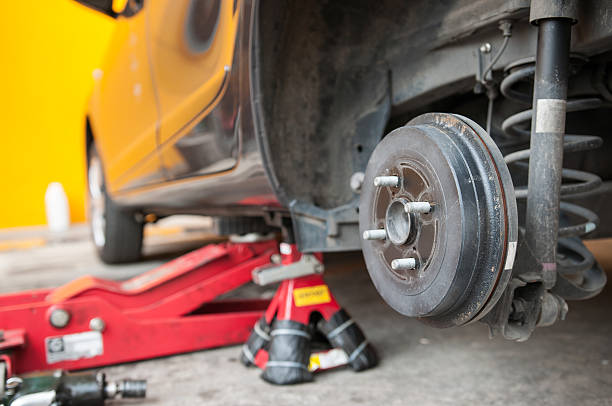
- Assess brake performance using rollers to ensure proper deceleration and balance.
- Inspect brake pads, discs, calipers, hoses, and cables for wear or damage.
- Confirm the handbrake holds the vehicle securely on inclines.
- Check ABS warning lights if applicable.
Steering and Suspension
- Examine steering components for wear or damage.
- Ensure suspension systems (shock absorbers, springs) are functional.
- Check wheel alignment to prevent uneven tyre wear.
Tyres and Wheels
- Verify tyres meet legal tread depth requirements (1.6mm for cars).
- Ensure tyres are free from cuts or bulges and are correctly inflated.
- Confirm wheels are aligned properly and securely attached.
Under the Bonnet
- Inspect fluid levels (oil, coolant, brake fluid) for adequacy.
- Check battery security and condition.
- Examine fuel system components for leaks or damage.
Under the Vehicle
- Inspect exhaust systems for leaks or excessive noise.
- Check for structural integrity in chassis components.
- Look for signs of rust near critical areas like brakes or suspension mounts.
Interior Checks
- Test seat belts for proper operation and secure attachment points.
- Ensure seats are securely mounted.
- Verify dashboard warning lights function correctly (e.g., airbag lights).
- Assess windscreen wipers and washers for effectiveness.
Emissions
- Use specialized equipment to measure exhaust emissions against legal limits.
- Check diesel particulate filters (DPFs) where applicable.
Common Reasons Vehicles Fail an MOT
Understanding common failure points can help testers focus on critical areas during inspections:
- Faulty or misaligned headlights.
- Worn brake pads or discs.
- Tyres below legal tread depth or with visible damage.
- Excessive corrosion on structural components.
- Dirty or illegible registration plates.
Tips for Aspiring MOT Testers
For those looking to become an MOT tester, here are some tips to excel in your role:
- Enroll in a Certified MOT Test Course: A structured course will teach you how to apply testing standards effectively.
- Practice Attention to Detail: Small oversights can lead to inaccurate results or customer dissatisfaction.
- Stay Updated on Regulations: Familiarize yourself with updates to the inspection manual or testing standards.
- Invest in Hands-On Experience: Work under experienced testers to gain practical insights into real-world scenarios.
Preparing Vehicles for an MOT
Testers should encourage vehicle owners to perform basic pre-MOT checks to improve their chances of passing:
- Clean exterior surfaces, especially registration plates and lights.
- Check tyre pressure using a gauge at home or at petrol stations.
- Replace faulty bulbs ahead of time.
- Top up fluids like oil, coolant, and washer fluid.
Benefits of Following a Standardized Checklist
A standardized checklist benefits both testers and vehicle owners:
- Ensures thorough inspections without missing critical components.
- Builds customer confidence in testing accuracy.
- Reduces liability risks by adhering strictly to legal requirements.
Conclusion
Mastering the MOT test checklist is crucial for anyone aiming to excel as an MOT tester. Whether you’re enrolled in a MOT test course or already working in the field, adhering to this comprehensive guide will ensure consistent results while upholding road safety standards.
By following these guidelines meticulously, you not only enhance your professional credibility but also contribute significantly to safer roads across the UK — making it an indispensable skill set for all aspiring testers!