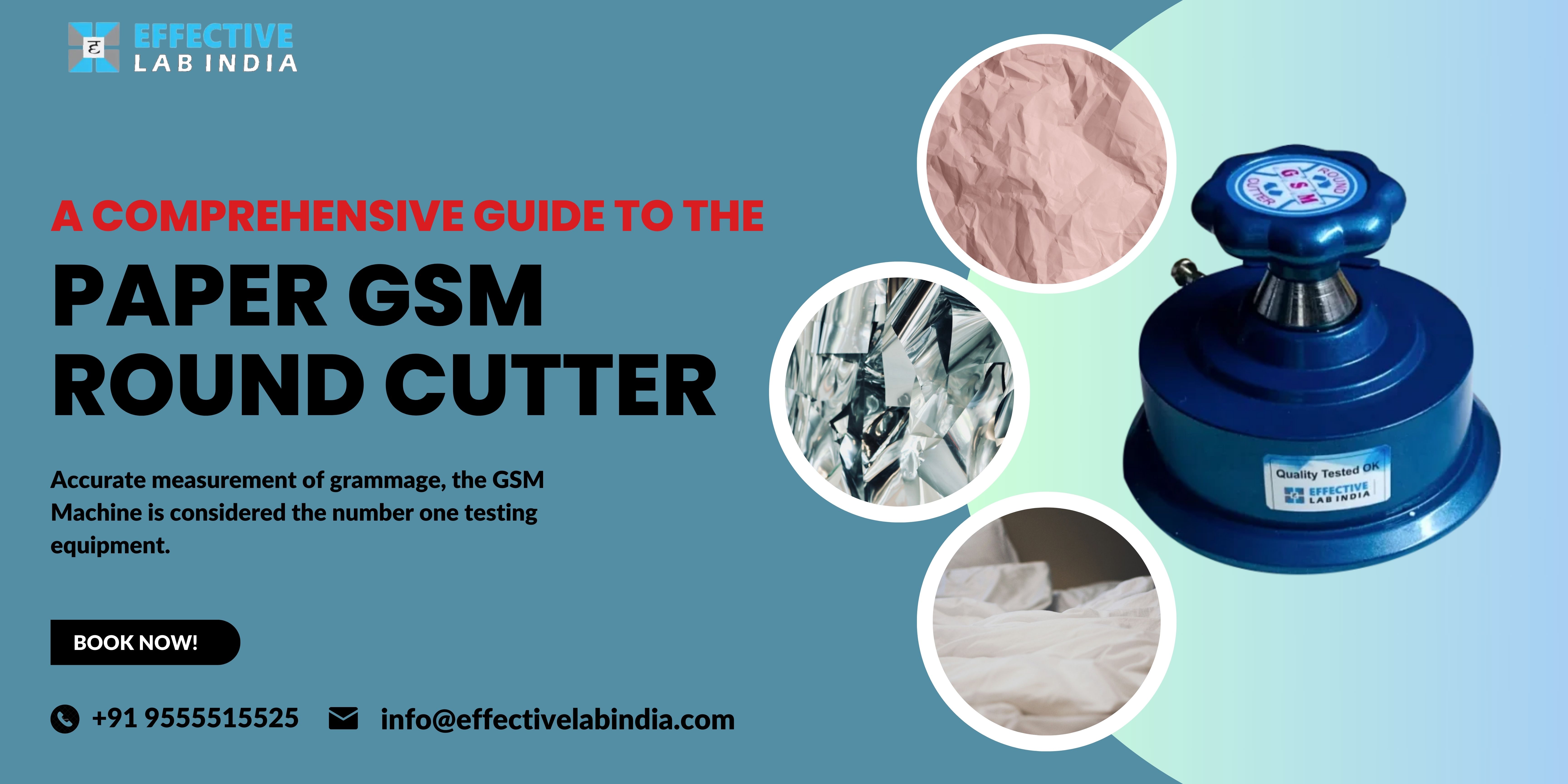
The GSM Scale (Grams per Square Meter) is a crucial metric used to measure the weight and density of materials such as paper, fabric, and nonwoven textiles. It plays a significant role in determining the quality, durability, and suitability of materials for different applications. Understanding GSM helps industries make informed decisions regarding product selection, manufacturing processes, and cost-effectiveness.
What is GSM Scale?
GSM Scale (Grams per Square Meter) refers to the weight of a material per one square meter of its surface area. It is widely used in industries such as textiles, paper production, and printing to standardize material specifications. Higher GSM values indicate heavier, denser materials, while lower GSM values suggest lighter, thinner materials.
How GSM is Measured GSM is calculated using a standardized formula:
To determine the GSM of a material, a small sample is cut to a specific size, weighed, and then converted to grams per square meter. Specialized tools such as GSM cutters and precision weighing scales ensure accurate measurements.
Importance of GSM in Different Industries
1. Textile Industry GSM is a vital parameter in fabric production, determining thickness, durability, and comfort. Lightweight fabrics (e.g., 100-150 GSM) are used for summer clothing, while heavier fabrics (e.g., 300+ GSM) are used for winter wear and upholstery. High GSM fabrics are preferred for durability in industrial and outdoor applications. 2. Paper Industry The GSM of paper affects its strength, opacity, and printability. Standard office paper is usually around 70-100 GSM, whereas high-quality brochures and business cards often use 250+ GSM paper. Newspapers have a low GSM (typically 40-50 GSM) to remain cost-effective and lightweight. 3. Packaging Industry GSM is crucial in selecting packaging materials for durability and protection. Corrugated boxes, kraft paper, and cardboard require specific GSM levels to withstand handling and shipping. Higher GSM ensures better resistance to tearing, moisture, and compression. 4. Nonwoven and Industrial Applications Nonwoven materials such as medical masks, filters, and disposable wipes are categorized based on GSM. Industrial fabrics, carpets, and geotextiles rely on GSM to maintain performance and longevity.
Choosing the Right GSM for Your Needs
When selecting materials based on GSM, consider: Purpose – Understand the application (e.g., lightweight for clothing, heavy for durability). Comfort & Usability – In textiles, higher GSM may mean warmer fabrics, while lower GSM provides breathability. Print & Aesthetic Quality – In paper, a higher GSM offers a premium feel and better ink absorption. Cost & Efficiency – Heavier materials may be costlier but provide better longevity and performance.
Conclusion
The GSM Scale is a fundamental measurement that affects various industries, from textiles to packaging and beyond. Understanding GSM helps manufacturers and consumers make informed choices about material selection, ensuring quality, durability, and cost-effectiveness. Whether in paper, fabric, or packaging, the right GSM ensures optimal performance for any application.