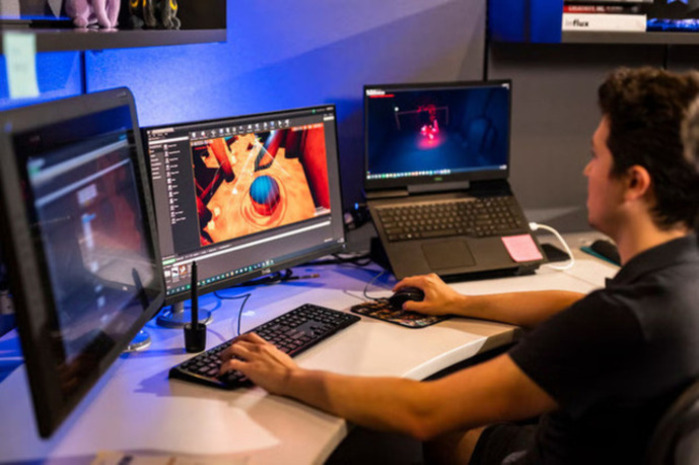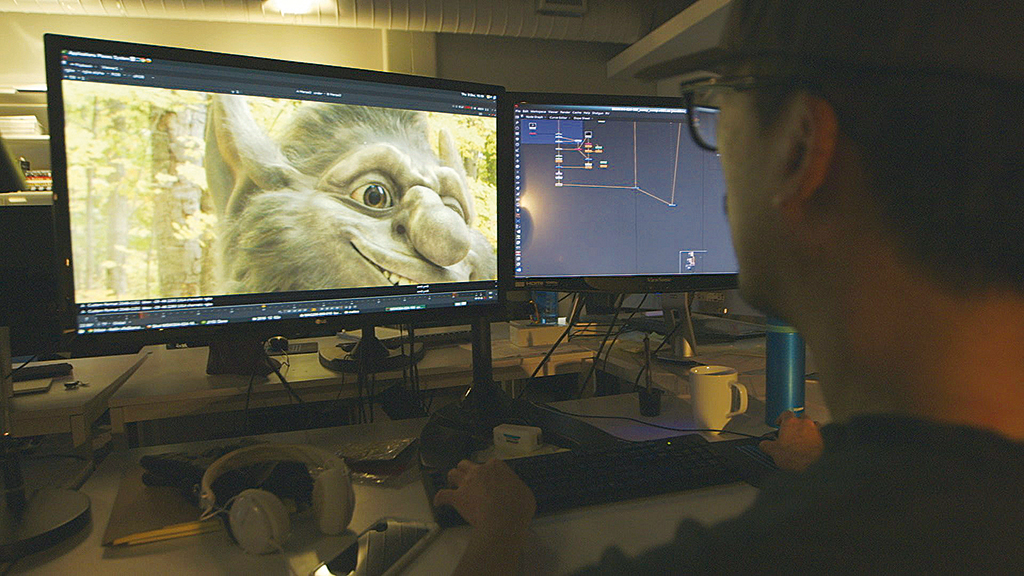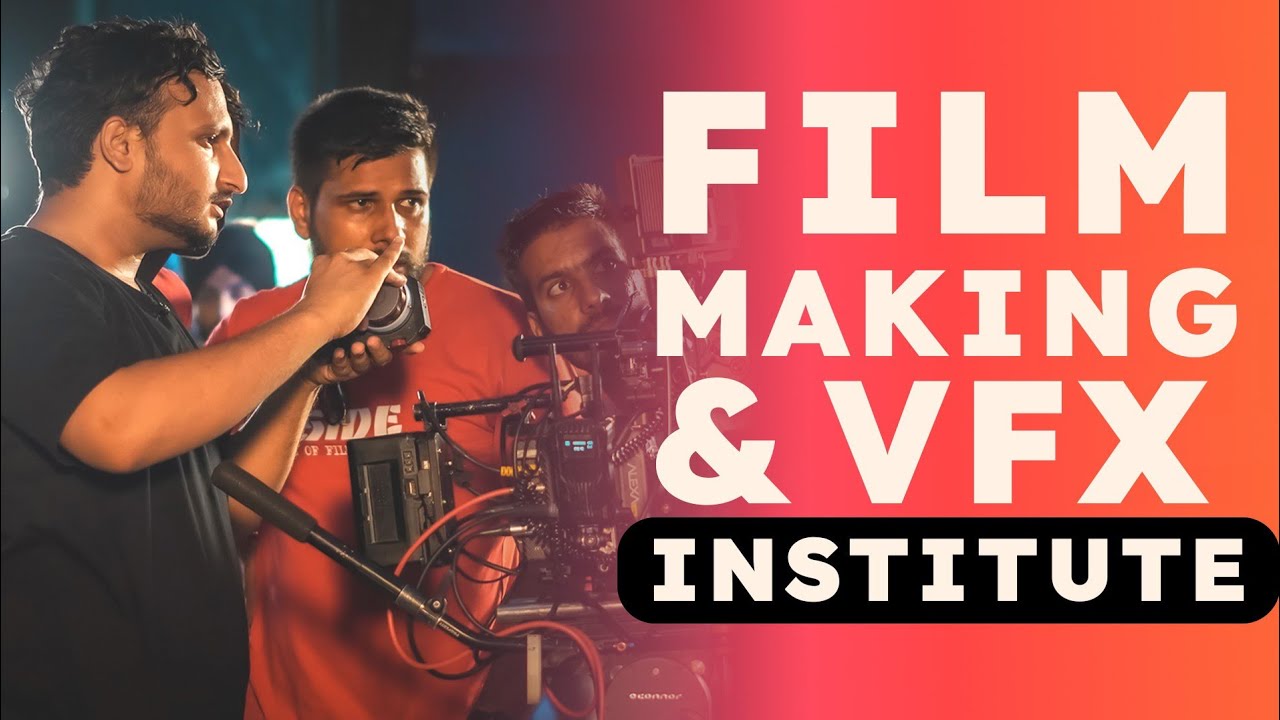
Visual effects (VFX) have revolutionized the entertainment industry, creating stunning imagery in films, games, and advertisements. To master this dynamic field, aspiring artists must choose the right VFX institute, ensuring a strong foundation in essential topics. A well-structured course prepares students for a competitive career in animation, gaming, and filmmaking. Let’s explore the crucial subjects covered in a comprehensive VFX course.
Introduction to Visual Effects
Understanding the history, evolution, and application of VFX in various industries is the first step in any professional course. This module covers:
Basics of VFX
Industry standards and workflows
Career opportunities in the field
Introduction to different types of VFX software
Digital Compositing
Compositing is a core aspect of VFX that combines multiple elements to create seamless visuals. A good VFX institute teaches:
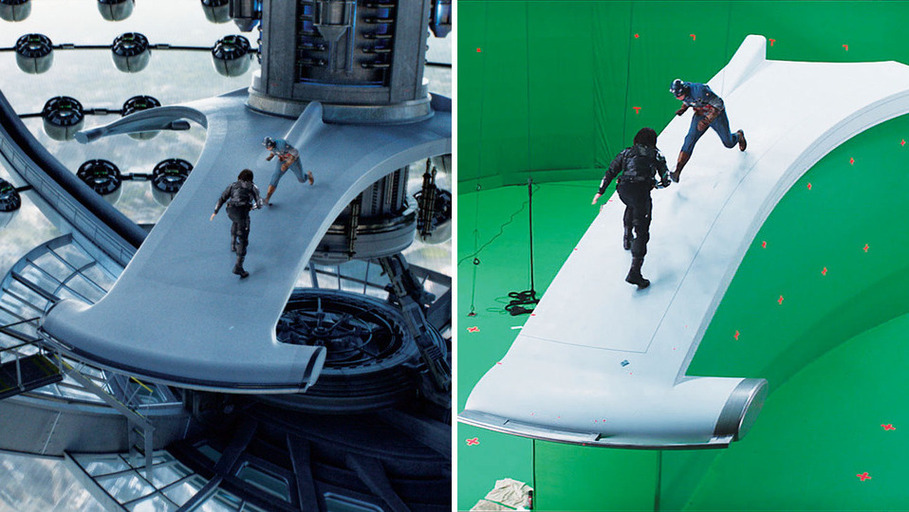
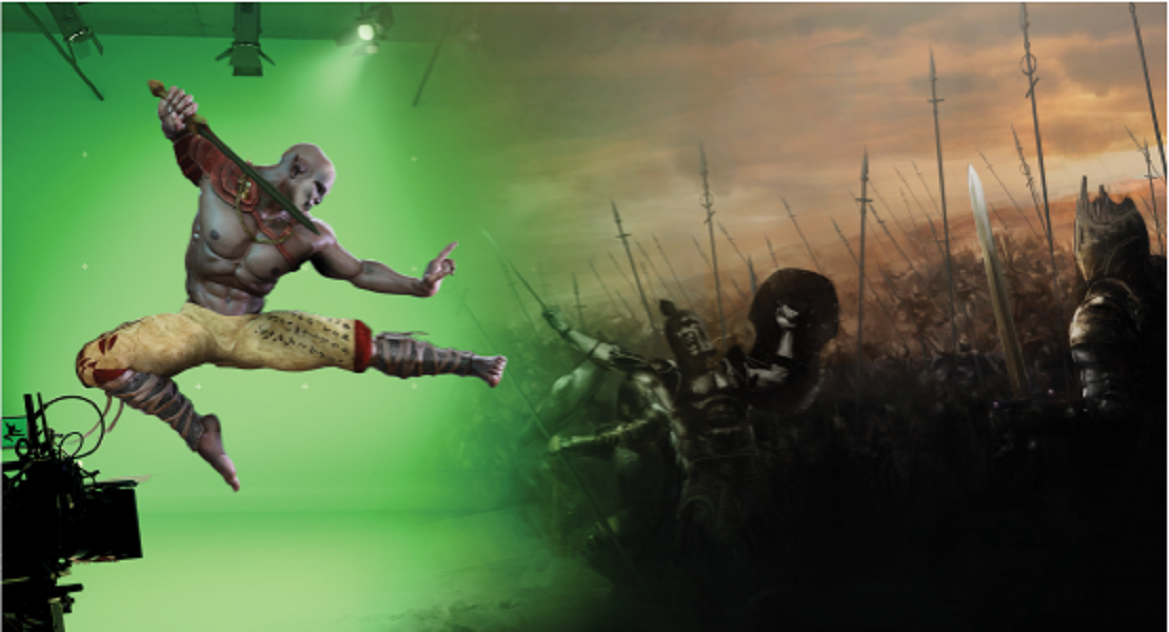
Green screen techniques
Layer-based and node-based compositing
Color correction and grading
Working with industry tools such as
Adobe After Effects and Nuke
Motion Graphics and Animation
Students learn how to create dynamic graphics for advertisements, films, and web content, including:
2D and 3D motion graphics
Typography animation
Storyboarding and animatics
Understanding keyframing and animation curves
3D Modelling and Texturing
This module is crucial for those interested in game design, animated films, and virtual reality:
Creating 3D objects and environments
UV mapping and texturing techniques
Introduction to industry-standard software like
Maya and Blender Shading and material application for realistic rendering
Visual Effects for Films and Gaming
This topic covers essential aspects of VFX used in cinema and gaming, such as:
Special effects creation
Real-time rendering
Integration of CGI with live-action footage
Understanding the pipeline for game development
Rotoscoping and Masking
An important technique in post-production, rotoscoping helps refine animations and remove unwanted elements. It includes:
Frame-by-frame tracing
Motion tracking Advanced masking techniques
Using specialized tools like
Mocha for precise work
Lighting and Rendering
Lighting plays a vital role in achieving realistic visuals. A high-quality VFX institute provides training in:
Understanding light sources and shadows
Ray tracing and global illumination
Optimizing rendering for high-quality output
Learning about different rendering engines such as Arnold and V-Ray
Dynamics and Simulation
Students learn to create realistic effects like smoke, fire, and explosions, covering:
Particle systems and physics simulations
Fluid and cloth dynamics
Advanced rigging techniques
Real-world applications in films and games
Matchmoving and Tracking
Matchmoving is a crucial aspect of VFX that helps integrate CGI elements into real-world footage. A well-structured course covers:
3D tracking fundamentals
Camera and object tracking
Working with matchmaking software like PFTrack and Boujou
Scene reconstruction for seamless integration
Portfolio Development and Industry Readiness
A reputed VFX institute ensures students are industry-ready by guiding them through portfolio creation. Key aspects include:
Showreel development with high-quality projects
Networking tips and industry insights
Resume building and job interview preparation
Understanding client expectations and project management
Conclusion:
Choosing a reputed VFX institute ensures comprehensive training in essential topics, equipping students with industry-ready skills. Mastering these subjects opens doors to various career opportunities in film, gaming, and advertising. Investing in the right education is the first step to a successful career in visual effects. With hands-on experience, expert guidance, and access to the latest tools, aspiring VFX artists can turn their creative passion into a thriving profession in the entertainment industry.