
What is HTTPS, and Why Does It Matter?
For spray foam and insulation contractors new to SEO, understanding HTTPS is essential. HTTPS (HyperText Transfer Protocol Secure) is the secure version of HTTP, the protocol that allows web browsers to communicate with websites. It encrypts the data exchanged between a visitor’s browser and a website, ensuring privacy and protection from cyber threats.
Having a secure website is not just about protecting user data—it’s also a crucial ranking factor for search engines. Google prioritizes HTTPS for SEO, meaning that secure websites tend to rank higher in search results than those without HTTPS.
If your insulation business website still runs on HTTP, you may be losing potential customers, search visibility, and trust. Let’s explore why making the switch to HTTPS is essential for both SEO and security.
How HTTPS Improves SEO for Insulation Contractors
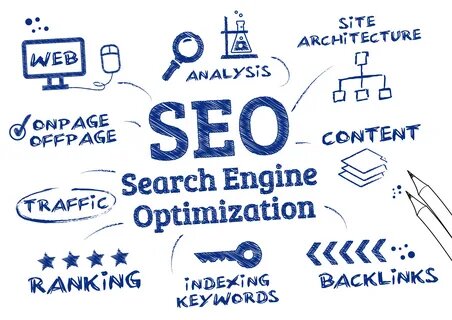
Search engine optimization (SEO) is essential for spray foam and insulation contractors who want to attract more customers online. Google and other search engines favor secure websites, and an HTTPS connection plays a vital role in SEO performance.
1. Google Uses HTTPS as a Ranking Signal
Google officially announced in 2014 that HTTPS is a ranking factor. This means that if two websites offer similar content, the one with HTTPS will likely rank higher than the one without it.
For insulation contractors, this can be a game-changer. If your website is secure and a competitor’s isn’t, your business has a better chance of appearing at the top of search results when potential customers look for insulation services in their area.
2. Better User Experience and Lower Bounce Rates
A secure website builds trust with visitors. When users see the “Not Secure” warning in their browser on an HTTP site, they are more likely to leave immediately. A high bounce rate can negatively impact SEO rankings.
By switching to HTTPS, visitors feel safer and are more likely to stay on your website, explore your services, and contact your business.
3. Referral Data from Other Websites is Preserved
If an HTTP website receives traffic from an HTTPS source, referral data gets lost and appears as “direct traffic” in Google Analytics. This makes it harder to track where your visitors are coming from.
When your insulation website is HTTPS-secured, referral data remains intact, giving you better insights into which marketing efforts drive the most traffic.
4. Improved Mobile SEO Performance
Google prioritizes secure websites in mobile search rankings, which is crucial since most customers search for insulation services from their smartphones.
In addition, Google’s AMP (Accelerated Mobile Pages) framework requires HTTPS, so having a secure site ensures your business can take advantage of faster-loading mobile pages.
How HTTPS Protects Your Insulation Business Website
Beyond SEO, HTTPS is essential for securing your website and protecting both your business and your customers.
1. Protects Customer Information
Even if your spray foam business doesn’t collect credit card information, customers may fill out contact forms, request quotes, or subscribe to newsletters. HTTPS ensures that this sensitive data is encrypted and protected from hackers.

2. Prevents Cyber Attacks
Without HTTPS, websites are vulnerable to attacks such as:
3. Boosts Trust and Credibility
Customers are more likely to trust a website with HTTPS, as it signals that the business takes security seriously. A secure website shows professionalism, making potential customers feel more confident in contacting your insulation company.
4. Prevents Browser Warnings
Modern web browsers display warnings for non-secure websites. If your insulation business website still uses HTTP, visitors will see a security warning, which can drive them away.
With HTTPS, your website appears safe and professional, increasing customer trust and engagement.
How to Switch Your Insulation Website to HTTPS
If your insulation website is still on HTTP, transitioning to HTTPS should be a priority. Here’s how to do it:
1. Purchase an SSL Certificate
An SSL (Secure Sockets Layer) certificate encrypts data between a visitor’s browser and your website. Many web hosting providers offer SSL certificates, and some even provide them for free.
2. Install the SSL Certificate on Your Server
Once you have an SSL certificate, install it through your hosting provider’s dashboard or contact their support team for assistance.
3. Update Internal Links and Redirect HTTP to HTTPS
After installing SSL, update all internal website links from HTTP to HTTPS. Set up 301 redirects to ensure visitors and search engines are directed to the secure version of your website.
4. Update Google Search Console and Google Analytics
Notify Google about your switch to HTTPS by updating your website URL in Google Search Console. Also, update your website’s profile in Google Analytics to continue tracking data correctly.
5. Test Your Website for HTTPS Issues
Use tools like Google’s SSL Checker or Why No Padlock to ensure there are no mixed content errors or insecure elements on your website.
Secure Your Website and Improve SEO Today
For spray foam and insulation contractors, having a secure website is no longer optional. HTTPS improves SEO rankings, builds trust with customers, and protects sensitive information.
If your insulation business needs help optimizing its website for search engines, Spray Foam Genius Marketing specializes in SEO services tailored for insulation contractors.
📞 877-840-FOAM (USA) | 844-741-FOAM (Canada) 🌐 sprayfoamgeniusmarketing.com
📧 info@sprayfoamgeniusmarketing.com
FAQs About HTTPS for SEO and Security
1. Does HTTPS Really Help with SEO?
Yes. Google considers HTTPS a ranking factor, and secure websites tend to perform better in search engine results.
2. Can I Get an SSL Certificate for Free?
Yes. Some hosting providers offer free SSL certificates through services like Let’s Encrypt. However, paid SSL certificates may provide additional security features.
3. How Long Does It Take to Switch to HTTPS?
Most websites can switch to HTTPS within a few hours, depending on the hosting provider and technical setup.
4. What Happens If I Don’t Switch to HTTPS?
Your website may lose rankings, display security warnings, and lose customer trust, leading to fewer leads and conversions.
5. Will My Website Load Slower with HTTPS?
No. HTTPS can actually improve website performance when combined with modern security protocols and a quality hosting provider.



To survive and succeed in this Market your company needs to design a mobile-friendly website due to the following reasons:1.
Users: There are 85% or more consumers using a smartphone as their basic needs.
All the time these devices are in their hands and in the free time they browse the products and new companions for more information.
If your company website is mobile friendly then the chances of selling are high.
Trust building: If your company has a mobile-friendly website then the potential customer can search on the website for more details about the product and the company.
This is also beneficial to build up trust between the company and its existing customers.3.