

Introduction
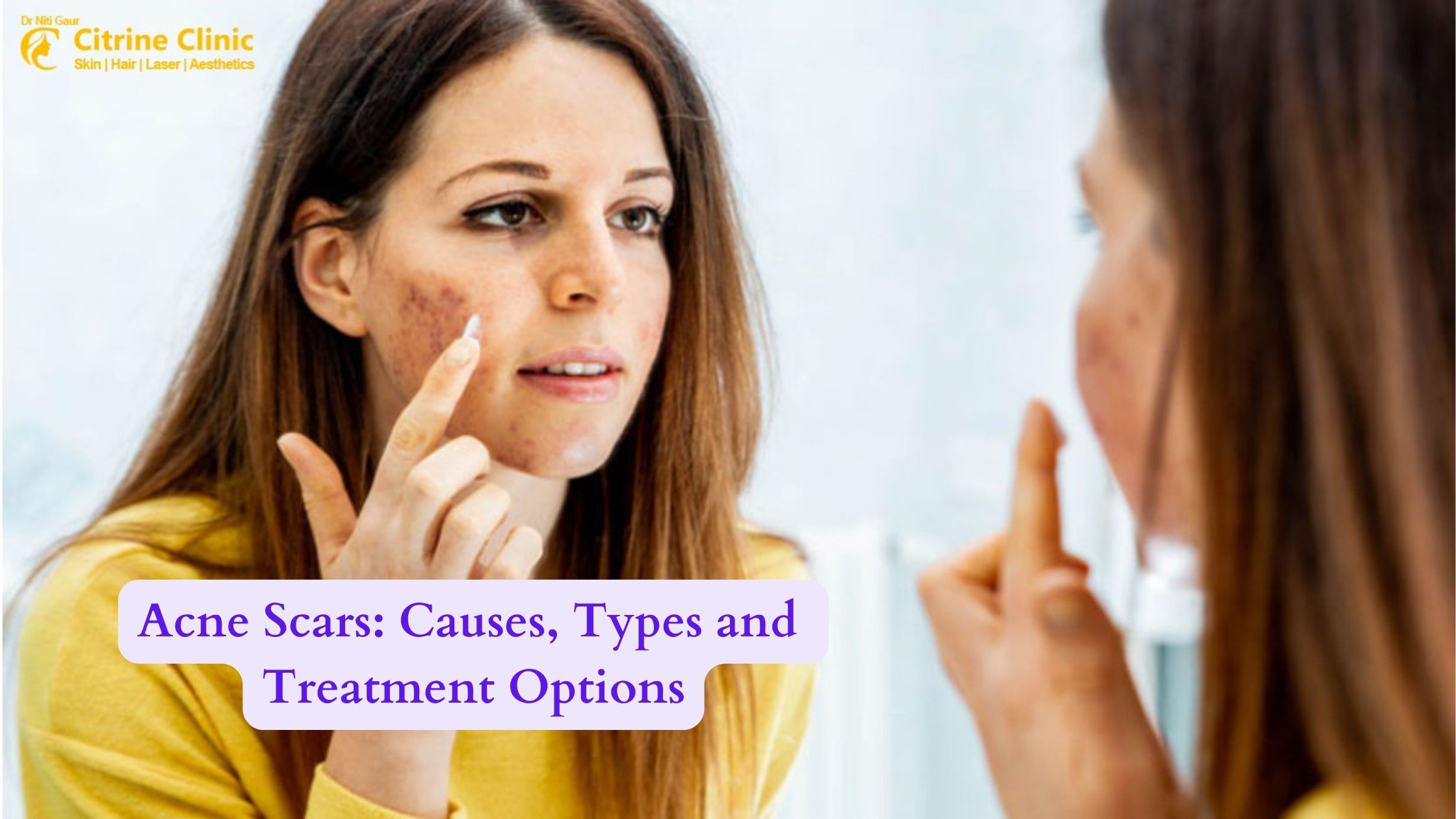
Acne scars can be frustrating and difficult to deal with, affecting not just your skin but also your confidence. Whether you’ve struggled with acne for years or recently experienced a breakout, finding the right acne scar treatment is essential. Acne scars develop when breakouts penetrate deep into the skin and damage the underlying tissue. While some scars fade over time, others require targeted treatments to heal effectively. Fortunately, there are proven methods to help reduce and even eliminate acne scars, restoring smooth and healthy skin. This guide will explore seven scientifically backed treatments to help you achieve flawless skin fast.
Understanding Acne Scars: Causes and Types
What Causes Acne Scars?
Acne scars develop when severe acne, such as cysts and nodules, causes deep damage to the skin. When acne lesions penetrate the skin deeply, they damage the surrounding tissues. As the body tries to repair this damage, it produces collagen, which can lead to scarring. Factors that contribute to scarring include:
- Inflammation: The deeper the inflammation, the greater the chance of scarring. Inflamed acne lesions cause more damage to the skin, making scars more likely to form.
- Genetics: Some people are more prone to scarring due to their skin type and genetic predisposition. If your family has a history of acne scars, you may be more likely to develop them.
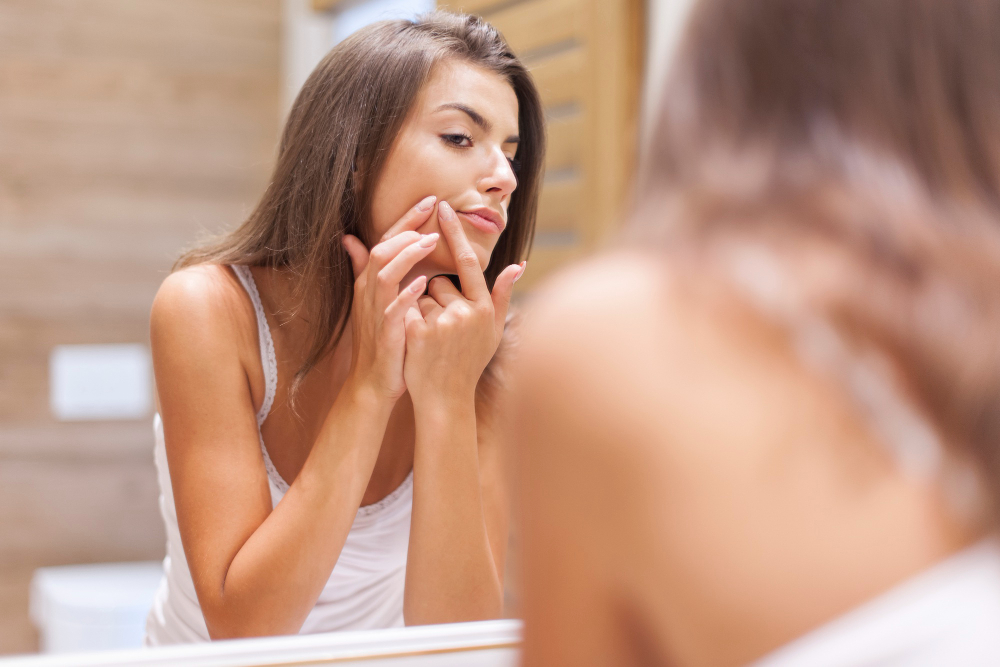
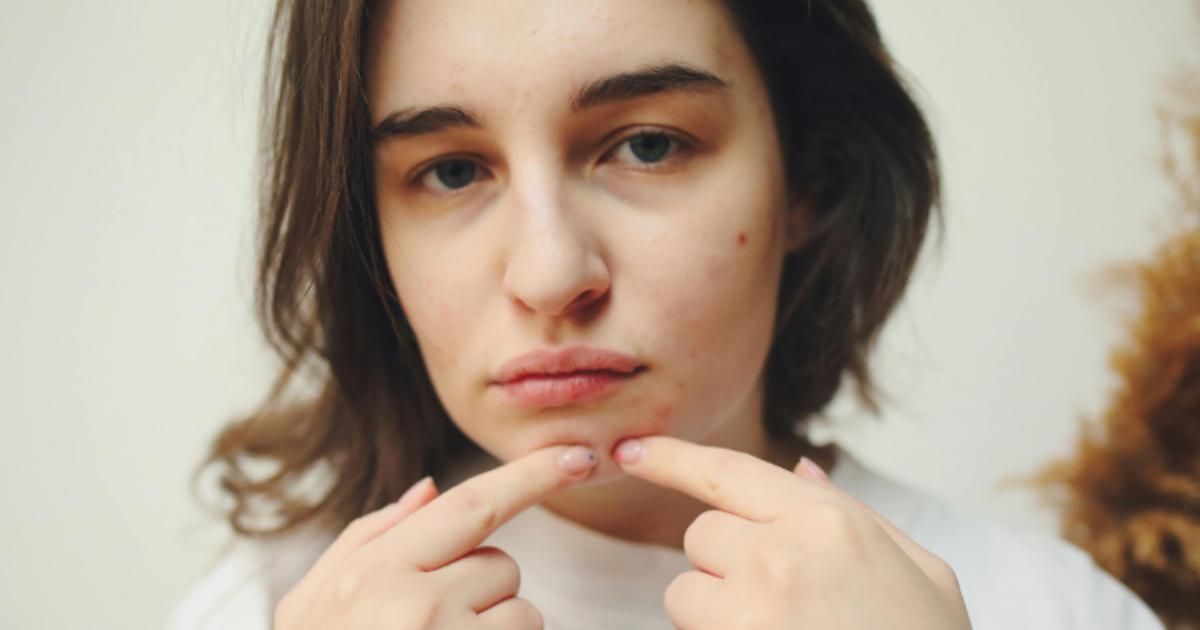
- Picking or Popping Acne: This damages the skin and increases the likelihood of permanent scars. When you pop a pimple, you risk pushing bacteria deeper into the skin, which can lead to infection and more severe scarring.
Different Types of Acne Scars
Not all acne scars are the same. Understanding the type of scars you have is crucial for choosing the right acne scar treatment. Each type of acne scar requires a different approach to healing and treatment.
Atrophic Scars
Atrophic scars occur when there is a loss of tissue during the healing process, leading to depressions in the skin. These scars are the most common type resulting from acne.
- Ice Pick Scars: These are deep, narrow scars that resemble tiny holes in the skin. They are often the hardest to treat because they extend deep into the skin layers.
- Boxcar Scars: These scars are broad, depressed scars with well-defined edges. They are wider than ice pick scars and typically form on the cheeks and temples.
- Rolling Scars: These scars create a wavy, uneven texture on the skin due to fibrous bands pulling the epidermis downward.
Hypertrophic and Keloid Scars
Unlike atrophic scars, hypertrophic and keloid scars form due to excess collagen production during the healing process.
- Hypertrophic scars are raised scars that remain within the boundaries of the original acne lesion.
- Keloid scars extend beyond the original wound and can be thick, raised, and even itchy. They are more common in people with darker skin tones and can be challenging to treat.
Post-Inflammatory Hyperpigmentation (PIH) vs. True Scarring
- Post-Inflammatory Hyperpigmentation (PIH) appears as dark spots left after acne heals but is not a true scar. It results from increased melanin production due to inflammation and can fade over time with proper skincare and sun protection.
- True scars involve structural changes in the skin and require specific treatments to improve their appearance.
The Best Acne Scar Treatments for Flawless Skin
1. Topical Acne Scar Treatment Options
Topical treatments can be effective for mild to moderate acne scars. These products work by promoting skin cell turnover, reducing pigmentation, and stimulating collagen production. Popular options include:
- Retinoids: Retinoids, such as tretinoin, are derived from Vitamin A and help speed up cell turnover, promoting smoother and more even-toned skin.
- Vitamin C: Known for its brightening properties, vitamin C helps reduce hyperpigmentation and boosts collagen production, making scars less noticeable over time.
- Hydroquinone: A skin-lightening agent that helps fade dark spots and evens skin tone when used consistently.
- Niacinamide: This powerful anti-inflammatory ingredient not only helps with acne but also strengthens the skin barrier and reduces redness and discoloration.
2. Chemical Peels for Acne Scars
Chemical peels help resurface the skin by removing the top layer of dead cells, encouraging new skin cell growth. Different types of chemical peels vary in strength:
- Superficial Peels: These use mild acids like glycolic acid to improve skin texture and tone with minimal downtime.
- Medium Peels: Trichloroacetic acid (TCA) peels penetrate deeper into the skin, making them effective for moderate scarring.
- Deep Peels: Phenol peels offer dramatic results but require a longer recovery period due to their intensity.
3. Microneedling: Boosting Collagen for Scar Reduction
Microneedling involves tiny needles that create micro-injuries in the skin, stimulating collagen and elastin production. This process helps repair the skin, making scars less visible.
- Microneedling is particularly effective for atrophic scars like ice pick and rolling scars.
- It can be combined with PRP (Platelet-Rich Plasma) therapy, which uses the body’s growth factors to enhance healing and improve results.
4. Laser Therapy for Acne Scars
Laser treatments work by resurfacing the skin and stimulating new cell growth. Different laser types target different scar types:
- Ablative Lasers (CO2, Erbium): Remove damaged skin layers for more dramatic results.
- Non-Ablative Lasers (Fraxel, Nd: YAG): Stimulate collagen production without removing the top skin layer.
- Pulsed-Dye Lasers (PDL): Targets redness in hypertrophic scars and keloids.
5. Dermal Fillers for Atrophic Acne Scars
Dermal fillers provide a non-surgical way to smooth out depressed scars by plumping the skin.
- Hyaluronic Acid Fillers (Juvederm, Restylane): Provide instant volume and last 6–12 months.
- Collagen-Stimulating Fillers (Sculptra, Radiesse): Encourage long-term skin regeneration.
6. Natural Remedies and Home Treatments
While not as potent as clinical treatments, some natural remedies can improve mild scarring:
- Aloe Vera: Reduces inflammation and accelerates skin healing.
- Honey: Contains antibacterial properties and speeds up tissue regeneration.
- Rosehip Oil: Rich in antioxidants that help repair damaged skin.
7. Professional Dermatological Procedures
For those struggling with deep and stubborn acne scars, professional treatments such as dermabrasion, subcision, and punch excision can offer a powerful and enduring transformation. Dermabrasion delicately exfoliates the skin’s surface, revealing a smoother complexion beneath. Subcision involves expertly detaching scar tissue from the underlying dermis, allowing the skin to rejuvenate and fill in the dimples left behind. Meanwhile, punch excision precisely removes individual scars, promoting fresh healing and a more even skin texture. Together, these advanced techniques provide a promising path to restoring confidence and achieving beautifully clear skin.
Conclusion
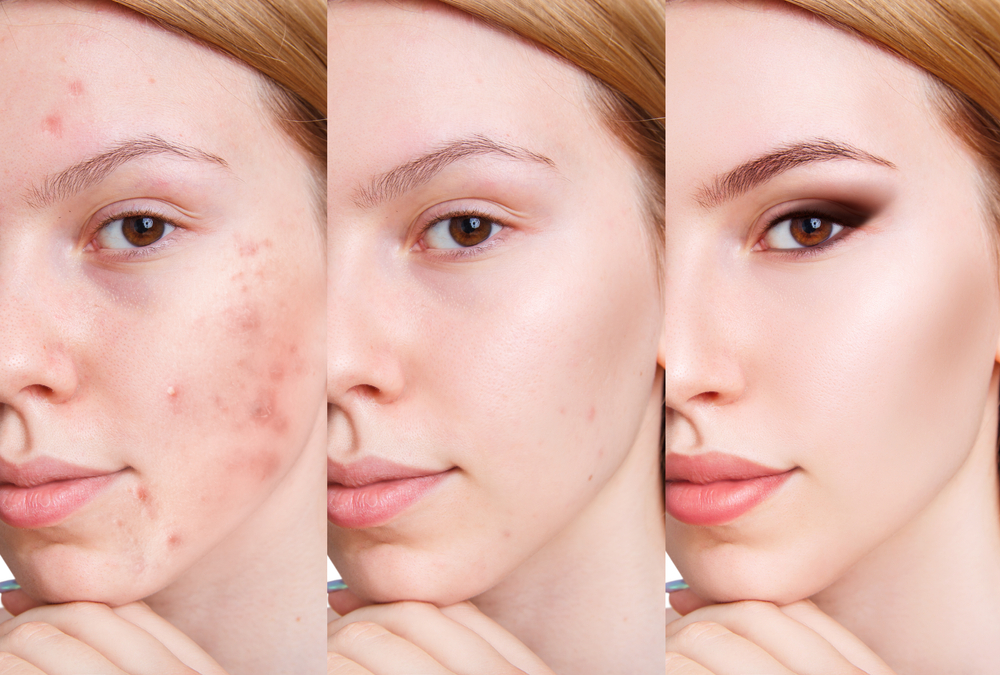
Achieving flawless skin after acne requires patience, consistency, and the right treatment plan. If you’re unsure about the best treatment for your skin type, consult a dermatologist for personalized recommendations. With dedication and the right approach, flawless skin is within reach!