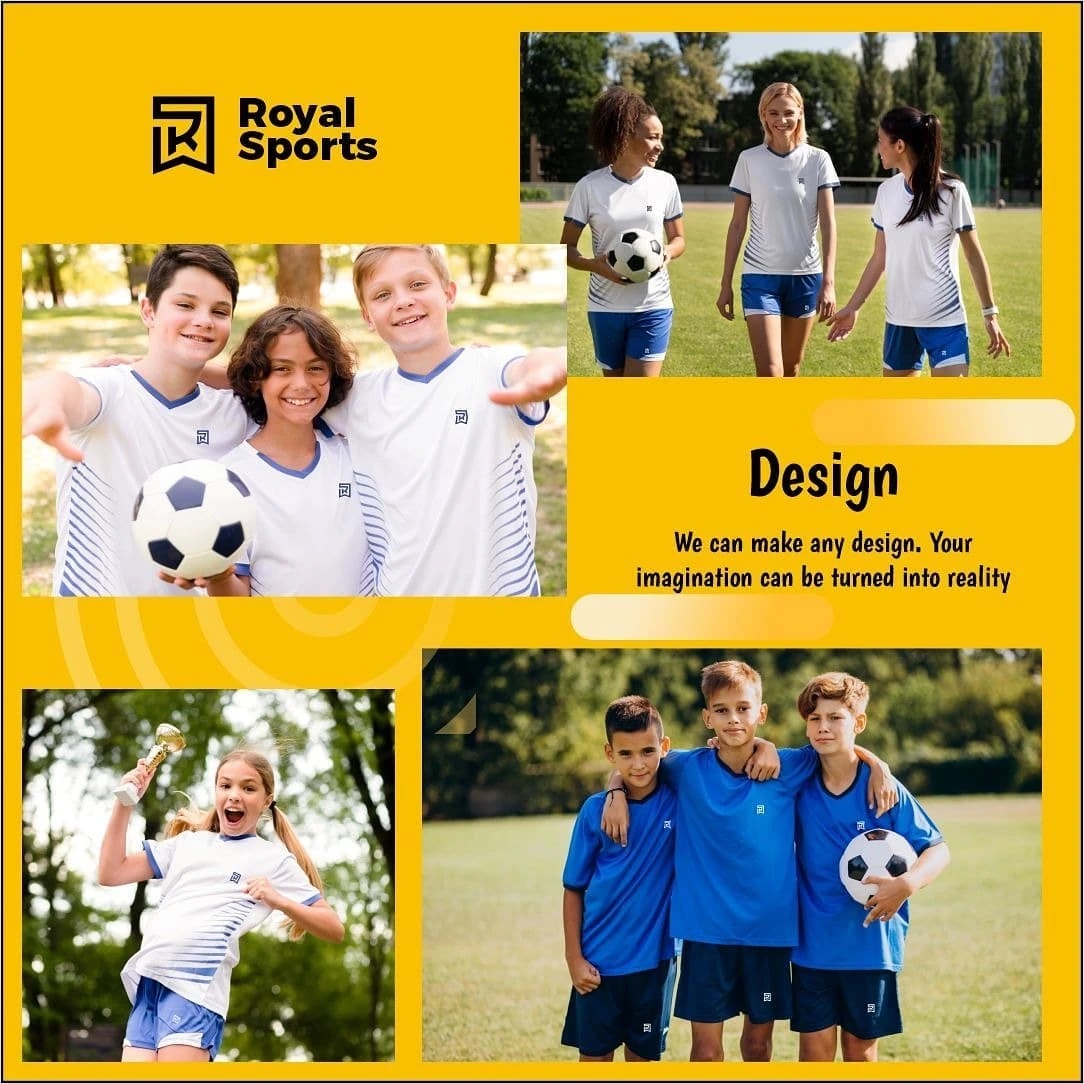
In the corporate world, a business uniform plays a crucial role in shaping a company’s identity, maintaining professionalism, and ensuring consistency in branding. Whether in retail, hospitality, healthcare, or any other industry, uniforms have become an integral part of the workplace. Employees wearing well-designed uniforms not only represent the company’s image but also contribute to a sense of unity and belonging within the workforce.

Enhancing Professionalism and Brand Image
A business uniform serves as a visual representation of a company's values and professionalism. It helps establish trust and credibility among customers and clients. When employees wear a uniform, they project a sense of discipline and reliability, which enhances the overall image of the business. Many successful companies worldwide use uniforms to create a strong brand presence, making their employees easily identifiable while ensuring that they uphold a professional appearance.
Uniforms also eliminate the need for employees to decide what to wear daily, reducing confusion and promoting a consistent look across the organization. This standardization contributes to a professional and cohesive work environment.
Boosting Team Spirit and Employee Morale
A well-designed business uniform fosters a sense of unity and equality among employees. It eliminates hierarchy based on clothing choices and creates a level playing field. When employees wear the same attire, it promotes teamwork, reducing any social or economic differences that personal fashion choices might highlight.
Moreover, employees often take pride in wearing their uniforms, as it instills a sense of belonging and identification with the company’s mission. A strong team spirit leads to better collaboration, improved communication, and enhanced productivity in the workplace.
The Role of Comfort and Functionality in Business Uniforms
While professionalism is essential, comfort and functionality should also be prioritized when designing a business uniform. Employees spend long hours in their uniforms, making it vital to choose fabrics that are comfortable, breathable, and suitable for the work environment. A well-fitted uniform that allows ease of movement enhances productivity and job satisfaction.
Additionally, different industries have unique uniform requirements. For instance, employees in the hospitality sector may require stylish yet practical attire, while those in construction or healthcare need durable, protective clothing. The right balance between style, comfort, and functionality ensures employees can perform their duties efficiently while maintaining a polished appearance.
Business Uniforms vs. Casual Uniforms
While traditional business uniforms are designed to create a formal and professional look, many companies have started embracing a more relaxed approach with casual uniforms. A casual uniform maintains the benefits of uniformity and branding while offering employees a more comfortable and relaxed dress code.
Casual uniforms can include polo shirts, branded T-shirts, or smart-casual outfits that align with the company's image. This approach works well for industries where a strict dress code is not necessary, such as tech companies, startups, or creative fields. A casual uniform can enhance employee satisfaction and creativity while still maintaining a level of professionalism.
The Impact of Business Uniforms on Customer Perception
Customer perception is critical to business success, and a business uniform can significantly influence how customers view a company. Uniformed employees are easily recognizable, making it easier for customers to identify staff members when they need assistance. A well-designed uniform conveys trustworthiness, professionalism, and efficiency, encouraging customers to feel confident in the services or products being offered.
In industries like retail and hospitality, employees who wear uniforms are more likely to create a positive first impression. A polished and professional appearance contributes to a welcoming atmosphere, increasing customer satisfaction and loyalty.
Sustainability in Business Uniforms
As businesses become more environmentally conscious, sustainable business uniforms are gaining popularity. Many companies are now opting for eco-friendly fabrics and ethical manufacturing processes. Sustainable uniforms not only reduce the company's environmental impact but also reflect corporate responsibility and social awareness.
Using organic cotton, recycled materials, or biodegradable fabrics can make a significant difference. Additionally, implementing uniform recycling programs ensures that old uniforms are repurposed or disposed of in an environmentally friendly manner. Companies that prioritize sustainability in their uniforms can strengthen their brand image and appeal to eco-conscious customers.
Conclusion
A well-thought-out business uniform is more than just clothing—it is a strategic tool that enhances professionalism, strengthens branding, and improves employee morale. Whether a company chooses a traditional uniform or a casual uniform, the key is to maintain consistency, comfort, and functionality.
By investing in high-quality business uniforms, companies can create a positive workplace culture, enhance their brand presence, and ensure a professional image that resonates with both employees and customers. In today’s competitive market, the right uniform can make a lasting impression and contribute to long-term business success.