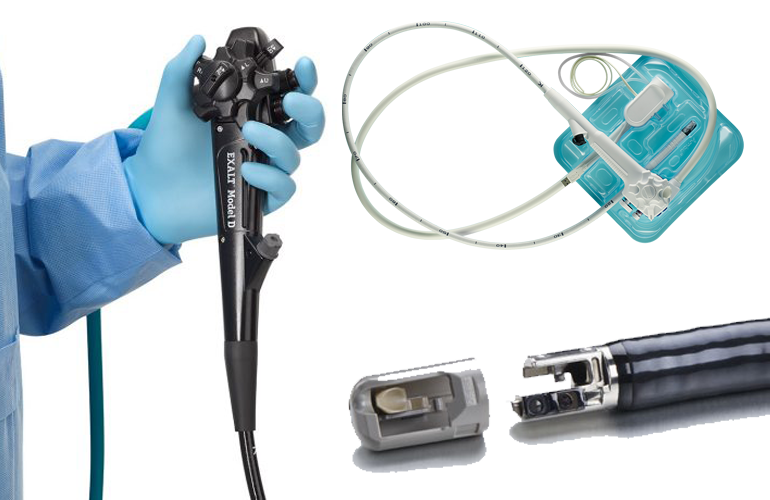
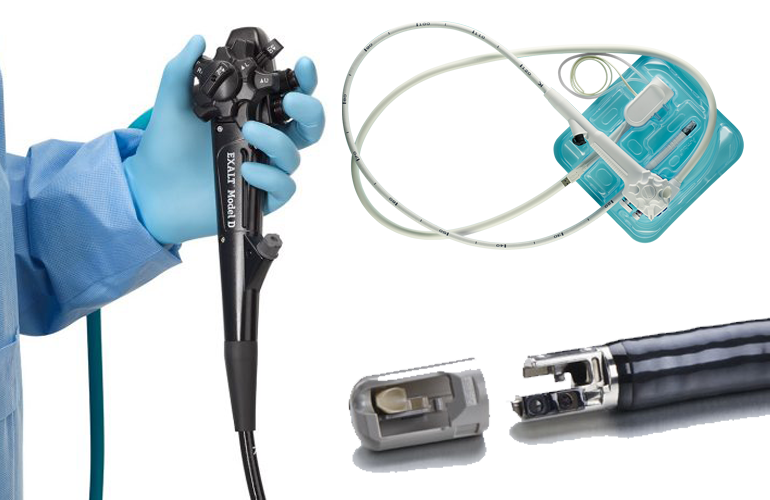
In contemporary medicine, the use of endoscopy in the diagnosis and treatment of all sorts of diseases has become inevitable. Some of the most influential devices used in this context include the bronchoscope, duodenoscope, and thoracoscope. These tools have transformed the way doctors treat diseases of the respiratory, gastrointestinal, and thoracic systems in a minimally invasive fashion and diagnose them as well.
Bronchoscope: Advancing Respiratory Care
A bronchoscope is a sophisticated medical device that helps one view the airways and lungs. It has an important role in the diagnosis of respiratory diseases like lung cancer, COPD, pneumonia, and infections. Through the use of a bronchoscope, physicians can directly examine the airways, detect abnormalities, and collect tissue samples for biopsy. The flexibility of new bronchoscopes combined with enhanced imaging technology permits more accurate and less invasive procedures.
Bronchoscopes also play an essential role in intervention treatments, such as foreign body removal, drainage of an abscess, or even the implantation of a stent to keep airways open. Minimally invasive procedures using this capability drastically limit patient recovery times over traditional surgical methods.
Duodenoscope: Revolutionizing Gastrointestinal Treatment
The duodenoscope is an endoscope for the purpose of investigating the duodenum, the initial portion of the small intestine, the pancreas, and the bile ducts. It is mainly applied in endoscopic retrograde cholangiopancreatography (ERCP), a diagnostic procedure and treatment of diseases such as gallstones, pancreatitis, bile duct blockage, and tumors.
Using a duodenoscope, physicians not only get to see the digestive tract but can also conduct therapeutic procedures. They can, for instance, extract gallstones, widen strictures, or insert stents into the bile ducts. These procedures, with the use of a duodenoscope, circumvent invasive surgery, reducing risks and facilitating quicker patient recovery.
Thoracoscope: Taking Thoracic Procedures Forward
A thoracoscope is an essential instrument employed for the inspection of the pleural space and the lungs, most commonly to treat and diagnose disorders such as pleural effusion, lung cancer, and pneumothorax. A small incision accommodates a thoracoscope and enables direct visibility of the lungs and pleura, offering an alternative to an open chest surgical procedure. It is especially convenient for procedures such as pleurodesis to prevent the repetition of pleural effusions, or lung tissue biopsy.
Similar to duodenoscopes and bronchoscopes, thoracoscopes have improved with improved imaging, providing higher-resolution images and more flexible models, enabling doctors to conduct accurate interventions with fewer complications.
Conclusion
From treatment to diagnosis, bronchoscopes, thoracoscopes, and duodenoscopes are all important in bettering medical procedures. The capability to diagnose and treat conditions with less invasiveness has greatly enhanced patient outcomes. These sophisticated devices keep improving, furthering the mission of delivering safe, efficient, and effective care. At Mitra Industries, we are dedicated to helping healthcare providers with the newest endoscopic technologies, enabling them to deliver improved care and enhance patient experiences.
For more insights, check out this related article: