

Alligators love warm, swampy environments. It’s why the species has thrived in states like Florida and Louisiana. So what happens when temperatures drop?
Alligators face a lot of challenges when temperatures go down. They’re ectothermic. They rely on external heat sources to regulate their body temperature. A drop in temperature will slow them down. Some alligators might even stop eating.
The American alligator is a survivor though. They have learned to withstand the cold. But how cold is too cold for alligators? This post explores how these reptiles adapt to a change in temperature.
Understanding How the Cold Affects Gator Metabolism
Alligators function best in temperatures between 82°F and 92°F (28°C to 33°C). These temperatures allow them to remain active, hunt, and digest food.
As with any animal, their bodies will adjust when the temperature changes. Alligators respond to temperatures dropping below 70°F (21°C) by slowing down. They become sluggish when it’s 55°F (13°C) and lower. Their metabolism slows down and they stop eating. They’ll enter a survival state if the cold weather continues. Gators are in danger if temperatures hit 40°F (4°C) and lower.
Brumation: The Secret to Survival
People know Florida as the Sunshine State but its winters can be cruel. So what happens to the warmth-loving gator? Do alligators hibernate in winter?
Alligators don’t enter a true state of hibernation. They undergo brumation, which is a reptilian form of dormancy. They reduce their activity level to a significant degree but don’t enter a deep sleep. Alligators stop eating and rely on stored energy to survive instead. They also seek shelter in burrows, muddy banks, or deep water. Temperatures are more stable in these places.
American gators are almost motionless during brumation to conserve energy. They’ll still move on warmer days. Some will even surface if necessary.
Snorkeling to Survive
Did you know that alligators snorkel? Their snorkeling technique is a little different from ours though.
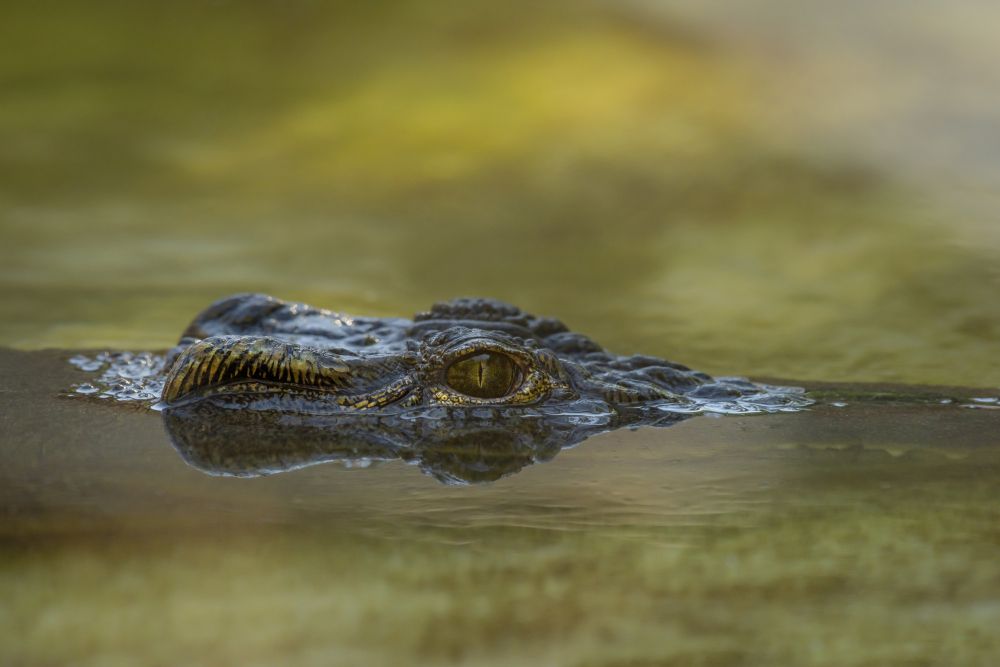
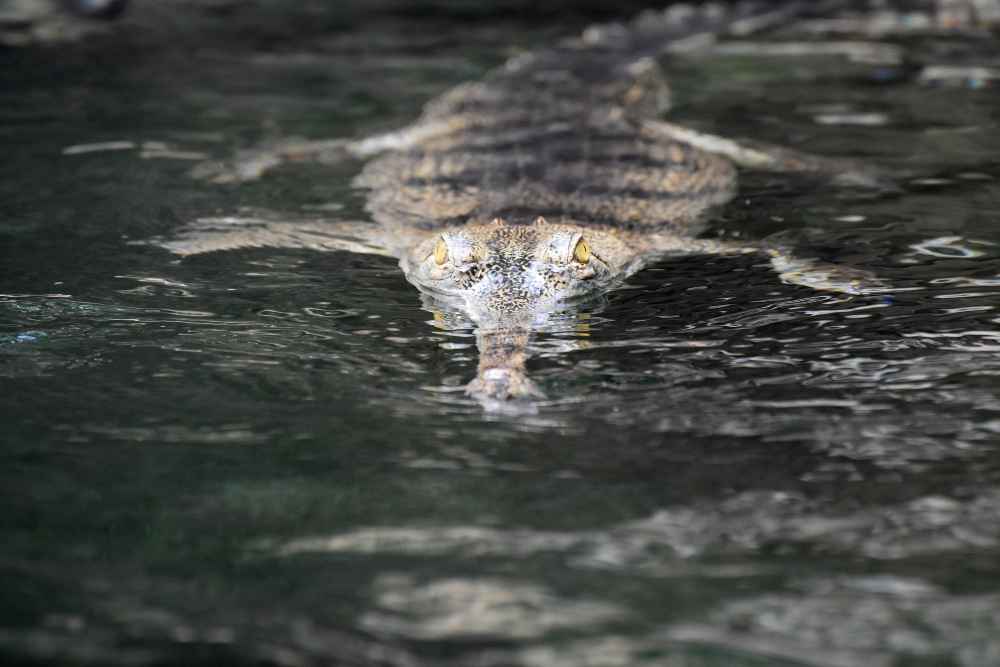
An alligator will position its snout above the surface when the water begins to freeze. It will expose its nostrils while the rest of its body remains submerged. This allows the alligator to breathe even if the surrounding water turns to ice. The exposed nostrils act like the breathing tube of a snorkel.
Alligators can remain in this position for days as they wait for temperatures to rise. Scientists have seen this behavior in southern states like North Carolina and Georgia.
4 Things That Could Happen to Alligators When It’s Too Cold
There’s no question that alligators are survivors. They’re resilient but there’s a temperature threshold beyond which they can’t survive. Here’s what can happen to alligators when it’s too cold for too long:
Alligators are resilient creatures. They can survive short cold periods through brumation and their unique snorkeling technique. But temperatures below 40°F (4°C) are dangerous to them. Prolonged exposure to freezing conditions can be fatal. Climate change has introduced new challenges for them. Let’s hope their adaptation strategies are enough for them to survive.