The rapid evolution of technology has given rise to the combination of Artificial Intelligence (AI) and the Internet of Things (IoT), creating new opportunities and transformative solutions across industries. AI agents, powered by advanced machine learning algorithms, are designed to perform tasks autonomously, interpret data, and make decisions with minimal human intervention. When integrated with IoT devices, which gather and transmit data from the physical world, AI agents can significantly enhance the capabilities of IoT ecosystems.
However, while this integration presents vast opportunities, it also introduces several challenges. In this article, we will explore the potential benefits of integrating AI agents with IoT devices, as well as the hurdles that need to be overcome to make this integration successful. We will also delve into the concept of AI agent development and its role in unlocking the full potential of this combined technology.
Understanding AI Agents and IoT Devices
Before diving into the integration of AI agents with IoT devices, it’s important to understand what these technologies are and how they function independently.
AI Agents
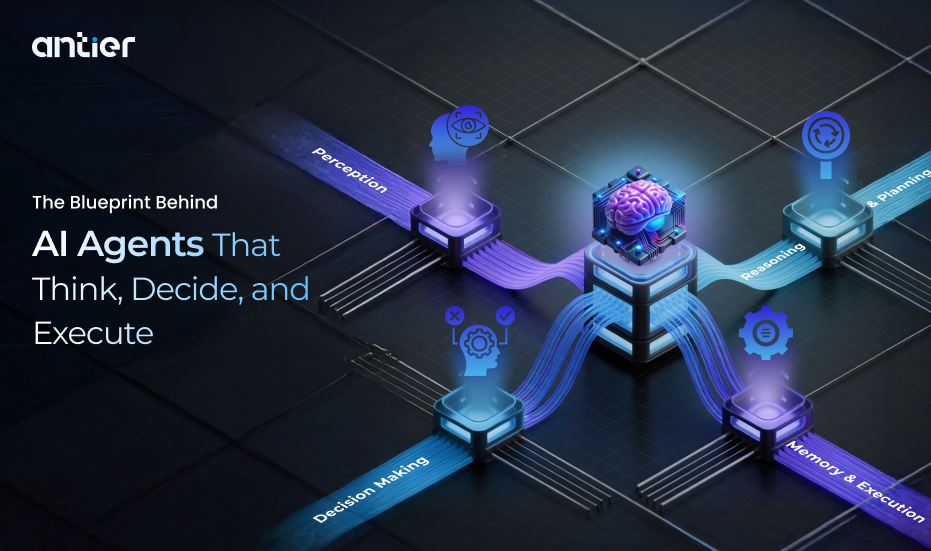
An AI agent refers to a system that perceives its environment, processes information, and acts upon it to achieve specific goals. These agents can range from simple task automation tools to more sophisticated systems capable of understanding natural language, recognizing patterns, and making complex decisions. AI agents can be rule-based or powered by machine learning and deep learning models, which allow them to learn and improve from data over time.
IoT Devices
The Internet of Things (IoT) encompasses a wide range of physical devices that are connected to the internet, enabling them to send and receive data. These devices can include anything from smart thermostats and home appliances to industrial sensors and healthcare monitoring systems. IoT devices typically collect data from the environment (temperature, humidity, motion, etc.) and transmit it to cloud-based platforms or local networks for analysis and action.
The Integration of AI and IoT
When AI agents are integrated with IoT devices, the AI system can process and analyze the data collected by IoT sensors in real-time, make intelligent decisions, and take actions autonomously. This combination allows IoT devices to operate more efficiently, adapt to changing conditions, and offer improved user experiences across various applications.
Opportunities in AI and IoT Integration
The integration of AI agents with IoT devices opens up a wealth of opportunities across several industries. Here are some of the key benefits:
1. Enhanced Automation and Efficiency
One of the primary benefits of integrating AI agents with IoT devices is the ability to automate processes that would typically require human intervention. AI-powered IoT devices can learn from the data they gather, identify patterns, and make decisions that optimize performance without requiring constant monitoring or control. This leads to greater operational efficiency, reduced human error, and the ability to perform tasks autonomously and continuously.
For example, in a smart factory setting, IoT sensors can monitor machine performance in real-time, while AI agents can analyze the data and predict potential failures before they occur. This predictive maintenance reduces downtime and improves the overall efficiency of production lines.
2. Real-Time Data Analysis and Decision-Making
IoT devices generate massive amounts of data, and processing this data in real-time is critical for timely decision-making. AI agents can help by analyzing this data on the fly, identifying trends, and suggesting or implementing decisions based on their analysis. For example, AI-driven smart home devices can monitor and adjust heating, cooling, and lighting based on user behavior patterns, optimizing energy use and creating a more personalized environment.
In healthcare, IoT devices like wearable fitness trackers collect data on heart rate, activity levels, and sleep patterns. AI agents can analyze this data to detect irregularities or trends that may indicate health issues, alerting users or healthcare providers to take timely action.
3. Improved User Experiences
By integrating AI with IoT devices, the overall user experience is greatly enhanced. AI agents can provide more personalized and intelligent interactions, adapting to individual user needs and preferences. For example, voice-activated AI assistants integrated with IoT devices can manage home automation systems, adjusting settings based on the user’s preferences and routines.
In the automotive industry, AI agents integrated with IoT devices in connected vehicles can provide real-time traffic updates, suggest alternate routes, and even adjust the vehicle’s settings for comfort and efficiency based on the driver’s preferences.
4. Cost Savings and Resource Optimization
IoT devices can help businesses and consumers save money by monitoring resource usage and optimizing operations. When combined with AI agents, these savings can be magnified. AI can predict usage patterns and adjust devices to optimize energy consumption, reducing operational costs. In agriculture, IoT devices can monitor soil moisture, weather conditions, and crop health, while AI agents can recommend precise irrigation or fertilizer application, reducing waste and enhancing crop yields.
5. Enhanced Security and Surveillance
Security is a critical concern in many industries, and integrating AI agents with IoT devices can strengthen security systems. For example, in smart homes, AI agents can analyze video feeds from security cameras, detect unusual activity, and trigger alerts in real-time. In industrial settings, AI-powered IoT sensors can detect potential security breaches, equipment malfunctions, or unauthorized access.
Challenges in Integrating AI Agents with IoT Devices
While the benefits of integrating AI and IoT are clear, there are several challenges that need to be addressed to ensure successful deployment and scalability.
1. Data Privacy and Security
The more data IoT devices generate, the greater the potential risks to data privacy and security. When AI agents are integrated with IoT devices, they may have access to sensitive data, such as personal information, health data, or business operations data. Securing this data against cyber threats is a top priority, but ensuring that both AI and IoT systems are protected from hackers and vulnerabilities is complex.
AI agents must be designed to respect privacy and comply with data protection regulations like the General Data Protection Regulation (GDPR). Additionally, IoT devices must be hardened against attacks, and secure communication protocols should be implemented to safeguard the data being transmitted between devices and AI systems.
2. Interoperability Between IoT Devices
IoT ecosystems are often composed of devices from different manufacturers, which may use different communication protocols, standards, and architectures. This lack of standardization can make it difficult for AI agents to communicate effectively with all IoT devices in a network.
For seamless integration, IoT devices must be designed to work with multiple AI platforms and adhere to common standards. This can require significant development efforts and collaboration between hardware manufacturers, software developers, and AI experts.
3. Data Overload and Processing Power
IoT devices generate vast amounts of data, and processing this data efficiently in real-time is a major challenge. AI agents rely on large amounts of data to make informed decisions, but as the number of IoT devices increases, the data volumes become overwhelming. This requires powerful computing resources and advanced data processing capabilities.
Edge computing, where data is processed locally on IoT devices or edge servers rather than being sent to centralized cloud servers, can help address this challenge. However, it also adds complexity to the system architecture and requires efficient algorithms to ensure real-time data analysis and decision-making.
4. Ensuring Accuracy and Reliability
AI agents must be highly accurate and reliable when integrated with IoT devices. For example, in healthcare, AI-powered IoT devices must provide accurate readings to make life-critical decisions. If AI agents misinterpret data or make incorrect decisions, it can have severe consequences.
Ensuring the accuracy of AI algorithms and training them with high-quality, representative data is essential. Additionally, AI agents should be able to adapt to changing conditions and environments to maintain their reliability over time.
5. Cost of Implementation and Maintenance
The development and deployment of AI-powered IoT systems can be costly. Businesses must invest in both hardware (IoT devices) and software (AI platforms, integration tools, etc.), which can be a significant barrier for small and medium-sized enterprises. Furthermore, maintaining and updating these systems can add ongoing operational costs.
However, the long-term benefits of integrating AI agents with IoT devices, such as increased efficiency, reduced downtime, and improved user experiences, can help offset the initial costs.
The Role of AI Agent Development
To overcome these challenges and unlock the full potential of AI and IoT integration, businesses must invest in AI agent development. Developing robust AI agents that can handle the complexities of IoT environments requires expertise in machine learning, data processing, and real-time decision-making.
AI agent development involves creating intelligent algorithms that can process data from IoT devices, recognize patterns, and make autonomous decisions. These agents must be capable of adapting to changing conditions, learning from data, and continuously improving their performance over time. Furthermore, developers must ensure that these agents are secure, reliable, and compatible with a wide range of IoT devices.
Working with experienced AI and IoT developers can help businesses build custom solutions that meet their specific needs while addressing the unique challenges of integrating AI with IoT devices.
Conclusion
The integration of AI agents with IoT devices has the potential to revolutionize industries by enabling smarter, more efficient systems that can make autonomous decisions based on real-time data. From enhancing automation and improving user experiences to enabling cost savings and resource optimization, the opportunities are vast. However, challenges such as data privacy, security, interoperability, and processing power must be addressed for successful implementation.
AI agent development plays a crucial role in overcoming these challenges, ensuring that AI systems can be seamlessly integrated into IoT ecosystems and deliver the promised benefits. As technology continues to evolve, the integration of AI with IoT will likely become a cornerstone of digital transformation, opening up new possibilities and driving innovation across industries.