



Artificial intelligence and machine learning are no longer futuristic concepts confined to science fiction. These advanced technologies have become key in transforming business strategies across various industries. With advancements in data science, predictive analytics, and automation, organizations are leveraging intelligent solutions to improve decision-making, streamline processes, and gain a competitive edge. This article explores the evolution of intelligent systems in the corporate world, highlights real-world applications, and provides insights into how data-driven strategies are redefining business planning.
From automating everyday tasks to forecasting market shifts, Artificial intelligence and machine learning enable companies to revolutionize their workflows. This guide will delve into current industry applications and the future revolution of these technologies. Whether you're a business leader, data analyst, or strategist seeking innovative solutions, these insights will illustrate the powerful impact of intelligent systems.
The Evolution of Smart Technologies in Business
Over the years, AI has evolved remarkably. Early systems depended on specified rules and manual data processing. Modern solutions rely on refined algorithms and neural networks that analyze extensive datasets in real-time. This technological leap stems from advancements in computing power, data expansion, and improved algorithmic models.
Traditionally, businesses used standard reporting tools to analyze past performance. Although informative, these tools lacked predictive capabilities. Today’s intelligent systems not only assess historical data but also detect patterns and predict future trends. This innovation has revolutionized resource planning, customer engagement, and product innovation.
For instance, many retailers have shifted from static spreadsheets to predictive models that anticipate demand daily—or even hourly. Such systems adapt to evolving trends and reduce issues like stockouts or excessive inventory. This proactive approach demonstrates how intelligent solutions empower organizations to manage operations efficiently.
Real-World Transformation: A Logistics Case Study
Imagine a logistics company struggling with inefficient delivery routes and fluctuating shipment volumes. Delivery delays and excess fuel consumption were common issues, costing the company significant resources. To address this, they adopted a predictive route optimization system powered by intelligent algorithms.
Steps Toward Transformation
Data Integration and Analysis: The company collected historical delivery data, weather forecasts, and traffic patterns. Traditional systems provided basic insights, but AI and ML algorithms enabled dynamic route planning.
Model Development and Deployment: The new system continuously analyzed real-time conditions, learning from unexpected delays and adapting accordingly.
Results and Impact: Within six months, the company achieved a 25% reduction in fuel costs and a 30% improvement in delivery efficiency. The predictive model also recommended optimal fleet distribution, allowing resources to be allocated more effectively.
This example highlights how predictive insights can redefine business processes. Moving from static scheduling to dynamic optimization highlights the power of data-driven decisions.
Harnessing Data for Strategic Growth
Artificial intelligence and machine learning provide measurable benefits to businesses. Companies adopting predictive models report improved performance metrics such as revenue growth, enhanced customer experiences, and streamlined operations.
Tangible Outcomes
Operational Efficiency: Intelligent tools process information faster, enabling swift decision-making. For instance, dynamic demand forecasting helps businesses adjust production schedules and inventory management in real-time.
Revenue Expansion: Tailored marketing campaigns based on consumer behavior often lead to improved sales conversion rates. Personalized promotions ensure customer preferences are addressed effectively.
Risk Reduction: Predictive models can identify potential risks such as supply chain disruptions, enabling companies to implement preventive strategies.
Continuous Learning and Improvement
A notable advantage of smart systems is their ability to improve over time. Unlike static platforms, intelligent algorithms refine their insights by incorporating new data. This continuous learning process enhances forecast accuracy and enables proactive business decisions.
Challenges and Considerations
Despite the clear advantages, implementing data-driven systems presents challenges. Companies must address data integrity, ethical concerns, and cultural resistance to change.
Data Integrity: The success of predictive models depends on data accuracy. Incomplete or inconsistent information can compromise outcomes. Organizations should invest in data cleansing, integration, and governance practices.
Ethical Considerations: As AI tools rely heavily on data, companies must ensure transparency and fairness. Establishing clear policies can help maintain accountability and avoid algorithmic bias.
Cultural Adaptation: Embracing predictive insights requires organizational change. Companies must promote a data-driven culture, fostering collaboration and encouraging experimentation.
The Future of Intelligent Solutions in Business
The influence of intelligent systems in business planning is set to expand further. As these technologies advance, they will play an even more significant role in shaping strategic initiatives and enhancing decision-making processes. Future developments—such as enhanced natural language processing, user-friendly interfaces, and seamless integration with emerging innovations—will embed predictive models deeper into corporate frameworks.
Key Trends to Watch
Widespread Adoption: As intelligent tools become more affordable, businesses of all sizes will integrate these solutions into their processes.
Integration with Emerging Tech: Integrating predictive analytics with blockchain, IoT, and automation will unlock new growth opportunities.
Tailored Solutions: Custom-built intelligent models will cater to specific industry demands, from healthcare analytics to financial forecasting.
Conclusion
The transformative impact of Artificial intelligence and machine learning solutions on business strategy is undeniable. By implanting predictive models into their frameworks, companies can achieve higher efficiency, increased revenue, and sustained innovation. This exploration of smart technology's evolution, paired with real-world examples and data-driven insights, underscores its role as a crucial strategic asset.
If you're eager to leverage predictive insights to advance your organization’s growth, consider exploring custom-built solutions tailored to your business needs. Embrace the power of data-driven strategies and unlock the potential for transformative success.



When hearing ‘AI for Customer Service’ most would immediately think this is going to be ‘yet another article about chatbots’. No wonder. Chatbots have been one of the hottest topics recently. However, our experience shows that AI can be applied to many other areas of Customer Service business as well. And those possess even more potential to boost your business.
Best Customer Service Chatbots To Relieve 20-30% Of The Load
As the hottest topic in 2017, AI support bots were expected to be a game changer. And even though the ebullience faded a bit when it became clear that even best customer service chatbots still have a lot to learn, a properly designed and trained chatbot can substantially relieve the load on 1-st line support.
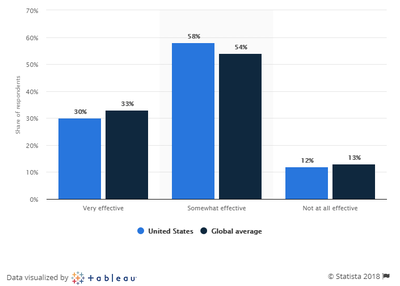
As statistical data show, 87% of chatbot users worldwide consider them efficient or very efficient in resolving issues.
As you see AI and ML benefits for customer service are already obvious. AI and ML are definitely changing the rules of the game in the customer support industry and the use of AI/ML technology in this industry will only grow.
However, AI and ML are rather additional tools, which can amplify but not replace traditional customer service automation software and savvy approach to automation. No matter how intelligent your systems are – they are just the reflection of your organization and your processes, which should never be neglected.