


Understanding MAP Pricing Compliance: Ensuring Adherence to Manufacturer Advertised Price Policies
In the realm of retail and distribution, MAP pricing compliance is a crucial aspect that businesses must navigate carefully. MAP, or Manufacturer Advertised Price, is a policy set by manufacturers to establish the minimum price at which their products can be advertised. This strategy aims to maintain brand value, ensure fair competition among retailers, and prevent price wars that could potentially devalue the product.
Compliance with MAP policies is essential for retailers, as failure to adhere can result in penalties such as loss of distribution rights or reduced access to popular products. To ensure compliance, retailers need to implement robust monitoring systems that track advertised prices across various platforms. This involves using sophisticated software tools that can scan online marketplaces and alert businesses to any violations, allowing them to take swift corrective action.
Furthermore, clear communication between manufacturers and retailers is vital. Manufacturers should provide comprehensive guidelines and training to retailers, ensuring they understand the importance of MAP compliance and the implications of non-compliance. This collaborative approach fosters a strong partnership and aligns both parties towards a common goal of maintaining brand integrity and profitability.
The Role of Manufacturer Advertised Price in Shaping Market Dynamics
The concept of Manufacturer Advertised Price plays a significant role in shaping market dynamics. By setting a minimum advertised price, manufacturers can exert a level of control over how their products are perceived in the market. This strategy helps in preserving the perceived value of the product, as consistent pricing across different retailers reinforces the brand's positioning and quality.
Moreover, MAP policies can influence consumer behavior. When consumers see a uniform price for a product across various retailers, it instills a sense of trust and reliability in the brand. This consistency can lead to increased brand loyalty, as customers are assured that they are getting a fair deal regardless of where they make their purchase.
However, the implementation of MAP policies is not without challenges. In a digital age where price comparison is just a click away, consumers are more informed than ever. This means that manufacturers must strike a delicate balance between maintaining MAP policies and staying competitive in a dynamic market. Regularly reviewing and adjusting MAP policies in response to market trends and consumer feedback is crucial to ensure they remain effective and relevant.
Competition Pricing Strategy: Navigating the Competitive Landscape with Strategic Pricing Models
In today's highly competitive marketplace, developing a robust competition pricing strategy is essential for businesses looking to gain a competitive edge. This involves analyzing competitors' pricing models, understanding market trends, and leveraging data-driven insights to make informed pricing decisions.
One effective strategy is dynamic pricing, where prices are adjusted in real-time based on market demand, competitor pricing, and other external factors. This approach allows businesses to remain agile and responsive to market changes, ensuring they can capture maximum value while staying competitive.
Additionally, businesses can explore value-based pricing, which focuses on setting prices based on the perceived value of the product to the customer. This strategy requires a deep understanding of customer needs and preferences, allowing businesses to tailor their pricing to align with the unique value proposition they offer.
Furthermore, businesses can adopt a competitive pricing strategy by conducting regular market research and competitor analysis. This involves monitoring competitors' pricing strategies, identifying gaps in the market, and capitalizing on opportunities to differentiate their offerings. By staying informed and proactive, businesses can position themselves strategically in the market and effectively navigate the competitive landscape.
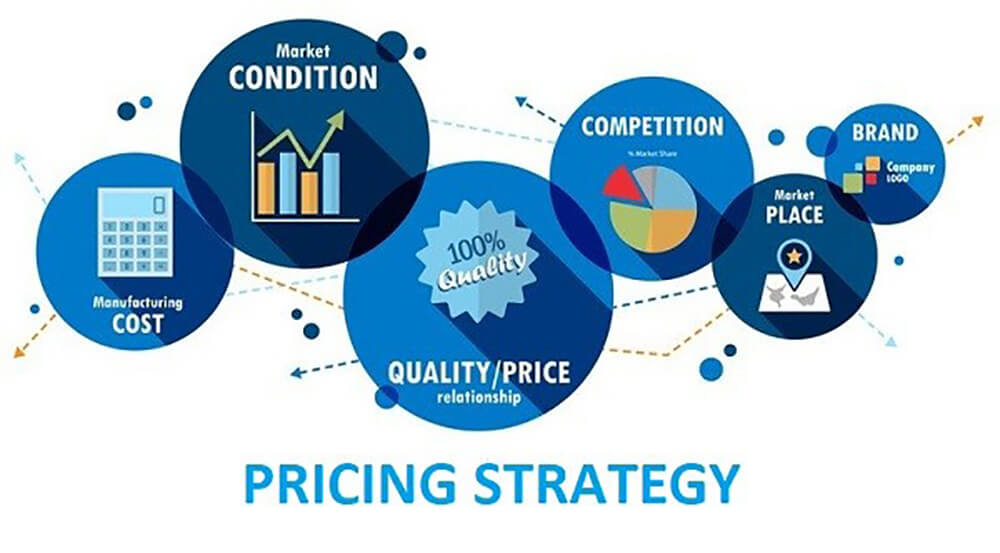
Market Conditions and Their Impact on Pricing Strategies
Market conditions play a pivotal role in shaping pricing strategies. Economic factors such as inflation, recession, and changes in consumer spending patterns can significantly impact how businesses set their prices. During periods of economic uncertainty, businesses may need to adjust their pricing strategies to remain competitive and maintain profitability.
In addition to economic factors, market trends and consumer preferences also influence pricing strategies. For instance, the rise of e-commerce and digital marketplaces has increased price transparency, making it easier for consumers to compare prices and make informed purchasing decisions. As a result, businesses must adapt their pricing strategies to cater to the evolving needs and expectations of consumers.
Moreover, technological advancements have enabled businesses to leverage data analytics and artificial intelligence to optimize their pricing strategies. By analyzing historical sales data, customer behavior, and market trends, businesses can develop predictive pricing models that anticipate changes in demand and adjust prices accordingly. This proactive approach allows businesses to stay ahead of the competition and maximize revenue opportunities.
The Influence of Brand on Pricing Models
A brand's reputation and perceived value play a significant role in determining its pricing models. Strong brands with a loyal customer base can command premium prices, as consumers are willing to pay more for products they trust and perceive as high-quality. This brand equity allows businesses to implement pricing strategies that reflect the value and prestige associated with their brand.
Conversely, emerging or lesser-known brands may need to adopt more competitive pricing strategies to attract customers and build brand recognition. This often involves offering introductory pricing or discounts to entice consumers to try their products and establish a foothold in the market.
Additionally, brand positioning and differentiation are critical factors in shaping pricing models. Businesses that differentiate themselves through unique value propositions, such as superior quality, innovative features, or exceptional customer service, can justify higher prices. This differentiation strategy not only enhances brand perception but also allows businesses to capture a larger share of the market by appealing to specific customer segments.
Conclusion: Navigating the Complexities of MAP and Pricing Strategies
In conclusion, navigating the complexities of MAP and pricing strategies requires a comprehensive understanding of market dynamics, consumer behavior, and competitive forces. By implementing effective MAP policies, businesses can maintain brand integrity and ensure fair competition among retailers. Additionally, developing a robust competition pricing strategy enables businesses to stay agile and responsive to changing market conditions.
Ultimately, the key to success lies in striking a balance between maintaining consistent pricing and adapting to market trends. By leveraging data-driven insights, fostering strong partnerships with retailers, and continuously evaluating and adjusting pricing strategies, businesses can thrive in a competitive marketplace and achieve long-term success.