




The U.S. generic drugs market is expected to grow at a compound annual growth rate (CAGR) of 6.68% from 2024 to 2031, increasing from USD 117.32 billion in 2023 to USD 196.79 billion by 2031. This expansion is driven by the rising launch of biosimilars and generic drugs, the growing prevalence of chronic diseases, and strategic collaborations among key industry players. Additionally, increased investments in generic drug manufacturing facilities are further supporting market growth. For example, in March 2024, Mark Cuban Cost Plus Drug Company, PBC, announced its entry into generic drug manufacturing, beginning with sterile injectables. The company commenced commercial production of norepinephrine and epinephrine for ICU patients, establishing an $11 million, 22,000-square-foot fill-and-finish facility in Dallas to address drug shortages.
Click – https://www.marketsandata.com/industry-reports/united-states-generic-drugs-market
Rising Demand for Generic Drugs in Chronic Disease Management
The growing burden of chronic diseases in the U.S. is fueling demand for generic drugs, as patients with long-term conditions require consistent medication at an affordable cost. Generic drugs provide effective and cost-efficient treatment options, making them a preferred choice for both patients and healthcare providers.
Expansion Driven by New Product Launches
Leading pharmaceutical companies are increasingly introducing new generic drugs to enhance treatment accessibility and address various medical conditions. For instance, in April 2024, Zydus Group launched a generic version of Mirabegron (25 mg) after receiving FDA approval, targeting the treatment of overactive bladder. The company is also preparing to introduce a 50 mg variant. The growing availability of generics in the U.S. is largely due to the expiration of drug patents and the increasing shift towards cost-effective treatment options.
Chronic Disease Prevalence Driving Market Growth
The rising incidence of chronic illnesses presents significant growth opportunities for the generic drugs market. According to the National Cancer Institute, an estimated 611,720 cancer-related deaths and over 2 million new cancer cases are expected in the U.S. in 2024. Similarly, diabetes prevalence is on the rise, with the American Diabetes Association reporting that over 38 million Americans are living with the condition. As generic drugs contain the same active ingredients and function similarly to branded drugs, they are playing a crucial role in managing chronic diseases while ensuring cost savings for patients.
Retail Pharmacies Lead the Market
Retail pharmacies hold a significant share of the generic drug market, driven by technological advancements that enhance patient convenience and provide personalized healthcare solutions. A 2022 report on U.S. pharmacies and pharmacy benefit managers estimated that approximately 138,000 prescriptions are dispensed annually by retail chains across the country.
Meanwhile, the online pharmacy segment is expected to witness strong growth due to its cost efficiency and convenience. Online pharmacies are particularly beneficial for patients with chronic conditions, as they eliminate the need for physical visits, offering services such as one-day delivery and overnight shipping. In response to this trend, pharmaceutical companies are increasingly partnering with online pharmacies. For instance, in September 2023, Lupin Ltd. announced the sale of its generic respiratory drugs through the online pharmacy Cost Plus Drugs.
Biosimilars Gaining Market Share
The growing number of FDA approvals for biosimilars is significantly boosting market growth. In February 2024, Alvotech received FDA approval for AVT02 (Simlandi), an adalimumab biosimilar referencing Humira, marking the company’s first U.S. biosimilar approval. This medication, also recognized as an interchangeable biosimilar, will be marketed and commercialized through an exclusive partnership with Teva Pharmaceuticals. Such approvals are expected to improve biosimilar accessibility, enhance treatment affordability, and support the expansion of the U.S. generic drugs market. Notably, Teva and Alvotech are working together to develop and introduce seven biosimilars across the U.S. market.
Market Outlook (2024-2031)
The U.S. generic drugs market is poised for significant growth, driven by rising chronic disease cases, increasing adoption of biosimilars, and the expiration of key drug patents. As healthcare costs continue to rise, the demand for affordable generics is expected to increase. Additionally, government initiatives focusing on making healthcare more accessible and cost-effective will further contribute to market expansion.
Market Report Overview
The “United States Generic Drugs Market Assessment, Opportunities and Forecast, 2017-2031F” by Markets and Data offers a detailed analysis of market trends, challenges, and opportunities. It provides insights into market size, segmental performance, competitive dynamics, and key industry players, highlighting their market shares, business strategies, and future growth prospects.
Contact
Mr. Vivek Gupta5741 Cleveland street,Suite 120, VA beach, VA, USA 23462Tel: +1 (757) 343–3258Email: info@marketsandata.comWebsite: https://www.marketsandata.com

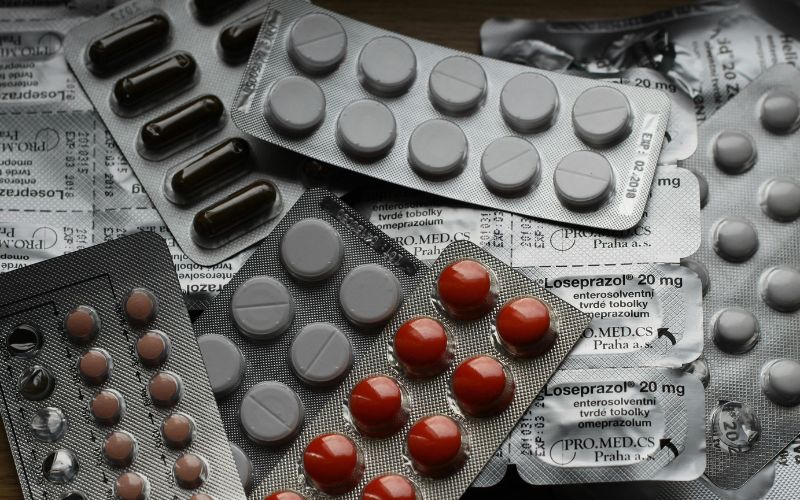


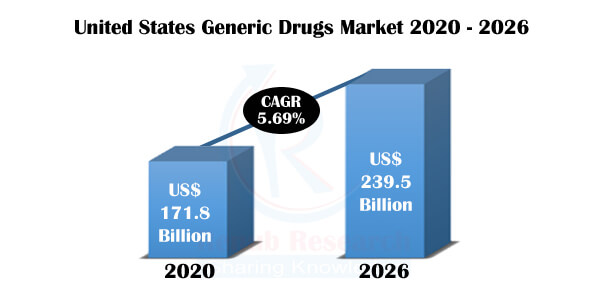
Generics are an off-patented drug that is pharmaceutical equivalents to branded medicines in term of administrative dosage, quality, effect, intended use and side effects.
In the United States, generic drug production has increased because it is cheaper than any branded medicine.
Currently, the price of off-label drugs is 70% to 80% lower than branded medicines.
Another company, named Lupin Limited manufactures generic drug Abacavir& Lamivudine, whose combination is being used together with other medications to treat human immunodeficiency virus (HIV) infection.
Companies covered in the report are Teva Pharmaceutical Industries Ltd, Mylan N.V, Sandoz Inc, Endo Pharmaceuticals, Lupin Limited, Dr Reddy's and Sun pharma.Renub Research report title “United States Generic Drugs Market’’ By Segment (Generic, Branded), Therapy Area (CNS, Cardiovascular, Dermatology, Genitourinary/Hormonal, Respiratory, Anti – infective, Oncology and Others), Pharmaceutical (Branded Pharmaceutical, Generics Pharmaceutical), Company (Teva Pharmaceutical Industries Ltd, Mylan N.V, Sandoz Inc, Endo Pharmaceuticals, Lupin Limited , Dr Reddy's and Sun pharma)” provides an all-encompassing analysis on the US Generic Drug Industry.Request a Free Sample Copy of the Report: https://www.renub.com/request-sample-page.php?gturl=united-states-generic-drugs-market-p.phpSegment: Market breakup from 2 viewpoints• Generic• BrandedTherapy Area: Market breakup from 8 viewpoints1.
OthersPharmaceutical: Market breakup from 2 viewpoints• Branded Pharmaceutical• Generics PharmaceuticalAll the Company Analysis have covered 3 Viewpoints• Overview• Recent Developments• Revenue AnalysisCompany Analysis1.
