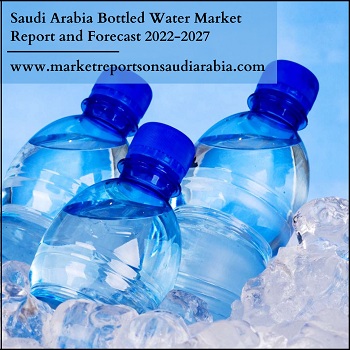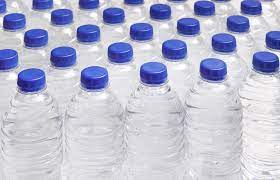


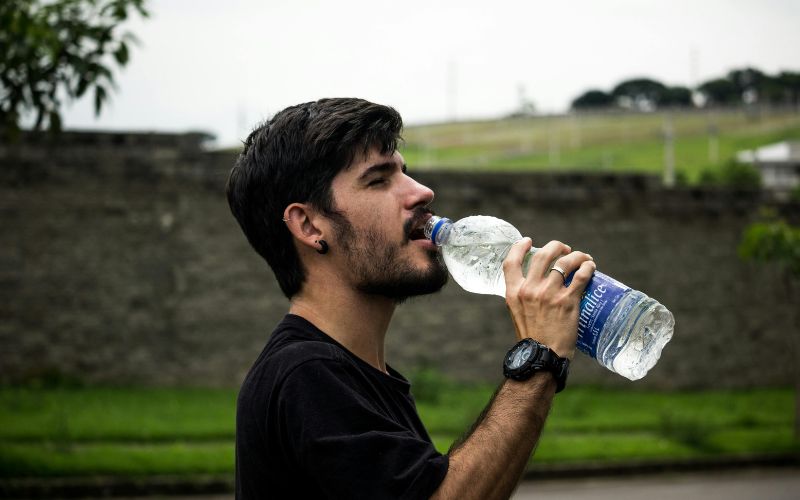
The bottled water market in Saudi Arabia is expected to expand at a compound annual growth rate (CAGR) of 7.21% between 2025 and 2032, increasing from USD 2.44 billion in 2024 to USD 4.26 billion by 2032. This growth is primarily fueled by rising health awareness, population growth, and rapid urbanization. Given the country’s hot climate and scarce freshwater resources, bottled water has become an essential commodity. Additionally, evolving consumer lifestyles, a surge in tourism, and a growing preference for premium and mineral-enriched bottled water further contribute to market expansion.
A global shift toward healthier beverage choices is also influencing this trend, with consumers increasingly opting for bottled water over sugary drinks. Strict regulations on water quality and safety enhance consumer trust, while technological advancements in purification and eco-friendly packaging, such as recyclable bottles, add to market appeal. For instance, in April 2024, Nova Water, a brand under Health Water Bottling Co. Ltd., became the first in Saudi Arabia to introduce bottles made entirely from recycled materials. This initiative aligns with the country’s circular economy goals and contributes to reducing carbon emissions.
The rise of e-commerce and modern retail outlets has further boosted bottled water accessibility, extending its reach to both urban and rural areas. Government efforts promoting sustainable water resource management and innovative distribution methods are expected to shape the market’s long-term sustainability.
Click – https://www.marketsandata.com/industry-reports/saudi-arabia-bottled-water-market
Impact of Climate and Water Scarcity
Saudi Arabia’s extreme climate and limited access to freshwater significantly drive the bottled water market. With persistently high temperatures, the demand for reliable hydration remains constant. The country largely relies on groundwater extraction and desalination for its water supply. However, widespread groundwater contamination is a concern, with studies showing that 18.6% of wells exceed the permissible total dissolved solids (TDS) limit, 7.7% surpass nitrate thresholds, and 21.4% contain fecal coliform bacteria. Given these challenges, both residents and tourists are increasingly turning to bottled water as a safe alternative.
Government initiatives focus on sustainable water management, with ongoing efforts in desalination and conservation. As heat waves and dry spells become more frequent, the need for secure drinking water sources continues to rise. In response, the bottled water industry is investing in advanced purification methods and sustainable packaging solutions to meet consumer demand while addressing environmental concerns.
Rising Health Awareness Boosts Demand
The growing focus on health and wellness is another significant factor driving bottled water consumption in Saudi Arabia. Consumers are becoming more conscious of the risks associated with sugary and carbonated beverages, leading to a preference for bottled water, particularly mineral and alkaline varieties, which are perceived to have health benefits. Concerns over poor tap water quality further reinforce this shift.
A rising fitness culture and increasing dietary awareness have amplified the demand for bottled water. Recognizing this trend, companies are expanding their production capabilities. For instance, in May 2023, Makkah Water Company partnered with Krones AG to enhance its main production plant in Jeddah, developing seven bottling lines under its ‘Safa’ mineral water brand.
Government initiatives promoting healthy lifestyles and strict regulations ensuring water quality further support market growth. Companies are also introducing fortified and functional water products, such as electrolyte-enriched and pH-balanced water, catering to specific health needs and expanding consumer choices.
Supermarkets and Hypermarkets Lead Distribution
Supermarkets and hypermarkets dominate bottled water sales in Saudi Arabia due to their extensive reach, diverse product offerings, and bulk purchasing advantages. These retail chains provide a convenient shopping experience, making them the preferred purchase channels. International brands are also entering the market to capitalize on this opportunity. For example, in December 2024, the Chinese hypermarket chain Wemart launched in Saudi Arabia, offering a wide range of products, including bottled water.
These large retail outlets cater to various consumer preferences by offering a mix of premium and budget-friendly brands. Frequent promotions, discounts, and loyalty programs encourage bulk purchases, reinforcing their market dominance. Additionally, well-equipped cold storage facilities ensure the availability of chilled bottled water, making them especially appealing during hot weather. As the retail sector continues to expand, modern supermarkets and hypermarkets in urban and suburban areas are expected to play a crucial role in market growth.
Riyadh Emerges as the Leading Market
Riyadh, the capital and largest city of Saudi Arabia, holds a dominant position in the bottled water market due to its high population density, economic significance, and rapid urbanization. The city’s large expatriate population and extreme summer temperatures drive consistent demand for bottled water. Additionally, Riyadh serves as the country’s commercial hub, with numerous businesses, hotels, and restaurants relying on bottled water for daily operations.
The city’s well-developed retail infrastructure, including hypermarkets, supermarkets, and convenience stores, ensures easy access to bottled water for all consumer segments. The increasing focus on health and wellness also contributes to bottled water’s popularity over sugary drinks. As urbanization continues and disposable income rises, Riyadh remains the largest regional market. In August 2023, Al-Jouf Mineral Water Bottling Co. commenced trial production at its new Riyadh Second Industrial City plant, capable of producing 18,000 cartons of bottled water daily. This expansion aims to reduce transportation costs across the Ki