Introduction
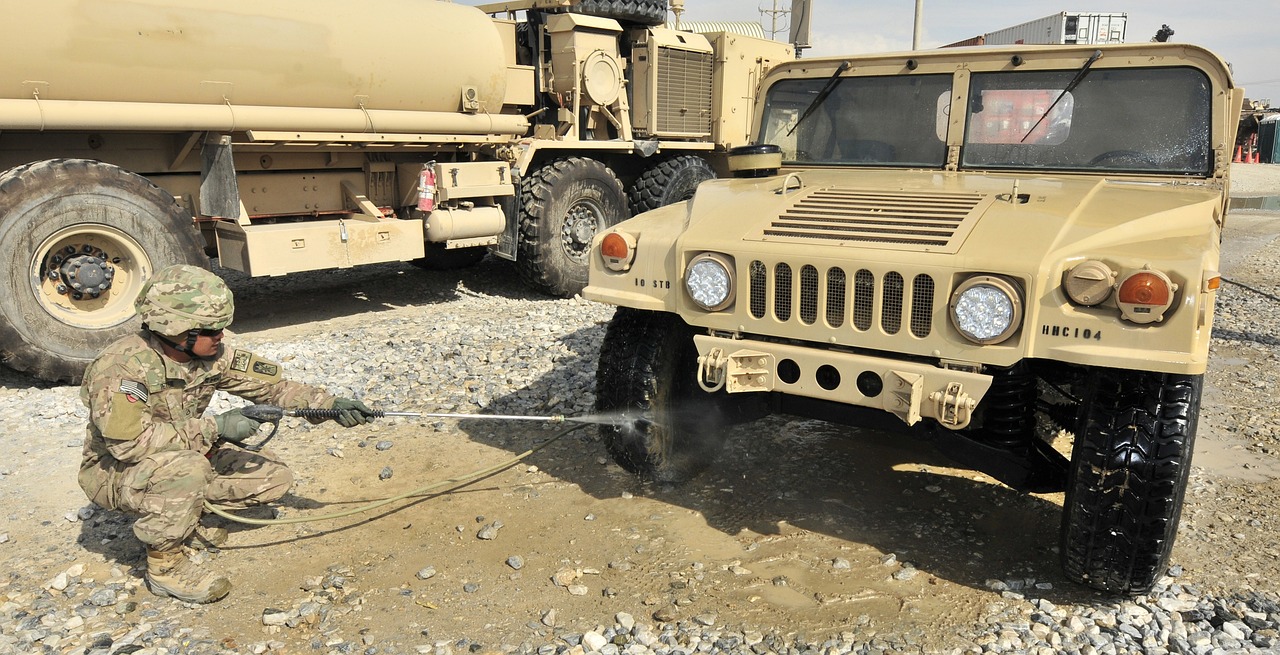
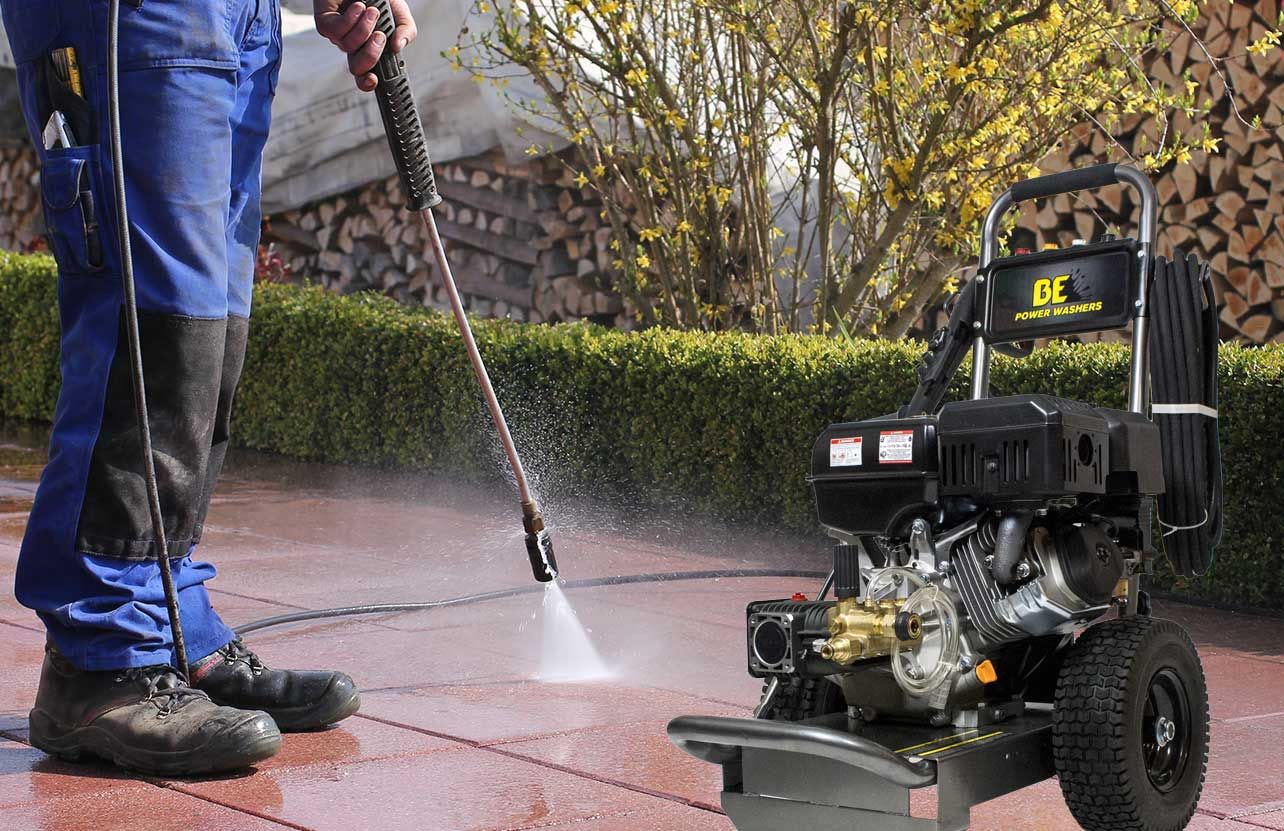
When it comes to maintaining the cleanliness of your home, few tools are as effective as a pressure washer. However, along with its powerful capabilities comes the need for vigilant safety practices. Have you ever thought about how important it is to wear the right gear while using one? For many, the thrill of blasting away dirt and grime can overshadow the potential dangers that lurk in every spray. In this comprehensive guide, we’ll discuss the essential safety gear you shouldn’t ignore when using a pressure washer. From protective clothing to eye protection, each piece of equipment plays a crucial role in ensuring your safety.
Pressure Washer Safety Gear You Shouldn’t Ignore!
Using a pressure washer may seem straightforward, but it can be deceptively hazardous if you're not adequately prepared. The high-pressure water jets can cause serious injuries if they make contact with skin or eyes. Therefore, having proper safety gear is non-negotiable. Let's dive into what you need to wear and how each item protects you from potential risks.
1. Eye Protection: Your First Line of Defense
Why Eye Protection Matters
Your eyes are incredibly vulnerable during pressure washing tasks. The high-pressure water can spray back debris, dirt, and other particles that could cause severe injury or even blindness.
Types of Eye Protection
Safety Goggles
: These provide a tight seal around your eyes and offer maximum protection against flying debris.
Face Shields
: If you're working on larger projects where there's increased risk, consider wearing both goggles and a face shield for additional coverage.
Choosing the Right Eye Protection
Look for ANSI Z87-rated eyewear that meets industry standards for impact resistance. Always ensure your eye protection fits snugly without obstructing your vision.
2. Hearing Protection: Don’t Overlook This Essential Gear
The Noise Factor
Did you know that operating a pressure washer can produce noise levels above 85 decibels? Prolonged exposure to such noise can lead to permanent hearing damage.
What You Should Use
Earplugs
: Simple yet effective; earplugs can reduce noise levels significantly.
Noise-Canceling Headphones
: For those who prefer comfort along with protection, these headphones provide excellent sound dampening.
How to Make an Informed Choice
Choose hearing protection labeled as suitable for industrial use; look for products that meet established noise reduction ratings (NRR).

3. Protective Clothing: Shielding Your Body from Harm
Why Protective Clothing is Vital
Pressure washers use high-powered jets capable of stripping paint and causing injuries upon contact with skin.
Types of Protective Clothing
Long-Sleeve Shirts
: Opt for thick fabrics that resist tearing.
Pants
: Cover your legs completely; denim or heavy-duty work pants are ideal.
Waterproof Aprons
: These protect both your torso and clothes from water damage.
Selecting the Best Fabrics
Choose clothing made from materials resistant to abrasion and water penetration whenever possible.
4. Footwear: Don't Slip on Safety!
The Importance of Proper Footwear
Slips and falls are common accidents when using a pressure washer; proper footwear helps mitigate this risk significantly.
Recommended Footwear Types
Steel-Toed Boots
: These provide excellent foot protection against falling objects.
Slip-Resistant Shoes
: Designed specifically for wet conditions, they enhance grip on slippery surfaces.
Footwear Features to Consider
Look for boots with good arch support and ankle stability; this will help keep you comfortable during extended use.
5. Gloves: Protecting Your Hands from Harmful Chemicals and High Pressure
Why Gloves Matter in Pressure Washing Tasks?
Your hands are exposed not only to water but also potentially harmful chemicals used in conjunction with pressure washing (like detergents).
Types of Gloves Suitable for Pressure Washing
Rubber Gloves
: Excellent for keeping hands dry while using chemical solutions.
Heavy-Duty Work Gloves
: Protect against cuts or abrasions when handling equipment or surfaces being cleaned.
Choosing Suitable Materials
Select gloves that offer both dexterity and durability; materials like nitrile or latex often provide good flexibility while offering robust protection.
6. Respirators: Safeguarding Against Chemical Exposure
Do I Really Need a Respirator?
If you're using chemicals alongside your pressure washer, then tampa pressure washing yes! Some cleaning agents emit fumes that could be harmful if inhaled directly over time.
Types of Respirators N95 Masks: Good for filtering out particulates but not adequate for chemical vapors. Chemical Cartridge Respirators: Designed specifically for filtering out various gases and vapors emitted by cleaning agents. 7. Sun Protection: Don't Forget About UV Rays
When working outdoors, prolonged exposure to sunlight can lead to sunburns or http://hillsboroughcounty.bizlistusa.com/business/5326107.htm long-term skin damage.
8. Safety Harnesses & Fall Protection
If you're working at height (e.g., cleaning second-story siding), safety harnesses can prevent falls from ladders or scaffolding.
9. First Aid Kit Essentials
It’s always wise to have a first aid kit nearby in case of minor injuries!
FAQs
What should I do if I get injured while using a pressure washer?
First, assess the severity—if it's minor, clean the area thoroughly; if serious (like deep cuts), seek medical attention immediately!
Can I use my regular clothes when operating a pressure washer?
While it’s tempting—especially during casual cleaning—it’s best to wear specialized protective clothing designed for this purpose!
What type of gloves should I avoid when using a pressure washer?
Avoid any gloves made from thin materials that could tear easily or absorb water; instead focus on heavy-duty options!
How often should I replace my safety gear?
Regularly check all equipment—replace items showing signs of wear or damage immediately!
Is hearing protection necessary even if I'm just using my machine briefly?
Yes! It's best practice—don't underestimate cumulative effects over time!
Conclusion
In summary, when wielding a power tool like a pressure washer, neglecting safety gear isn’t just careless—it’s dangerous! Each piece discussed serves its unique purpose in safeguarding against injuries and hazards associated with this powerful equipment. Remember something simple yet crucial here—the more prepared you are before starting work with your pressure washer, the less likely you'll encounter mishaps down the line! Prioritize your well-being by investing in quality protective gear so you can enjoy clean surfaces safely—now that's something worth celebrating!
Keep these tips in mind next time you step outside with your trusty pressure washer—you'll be glad you did!