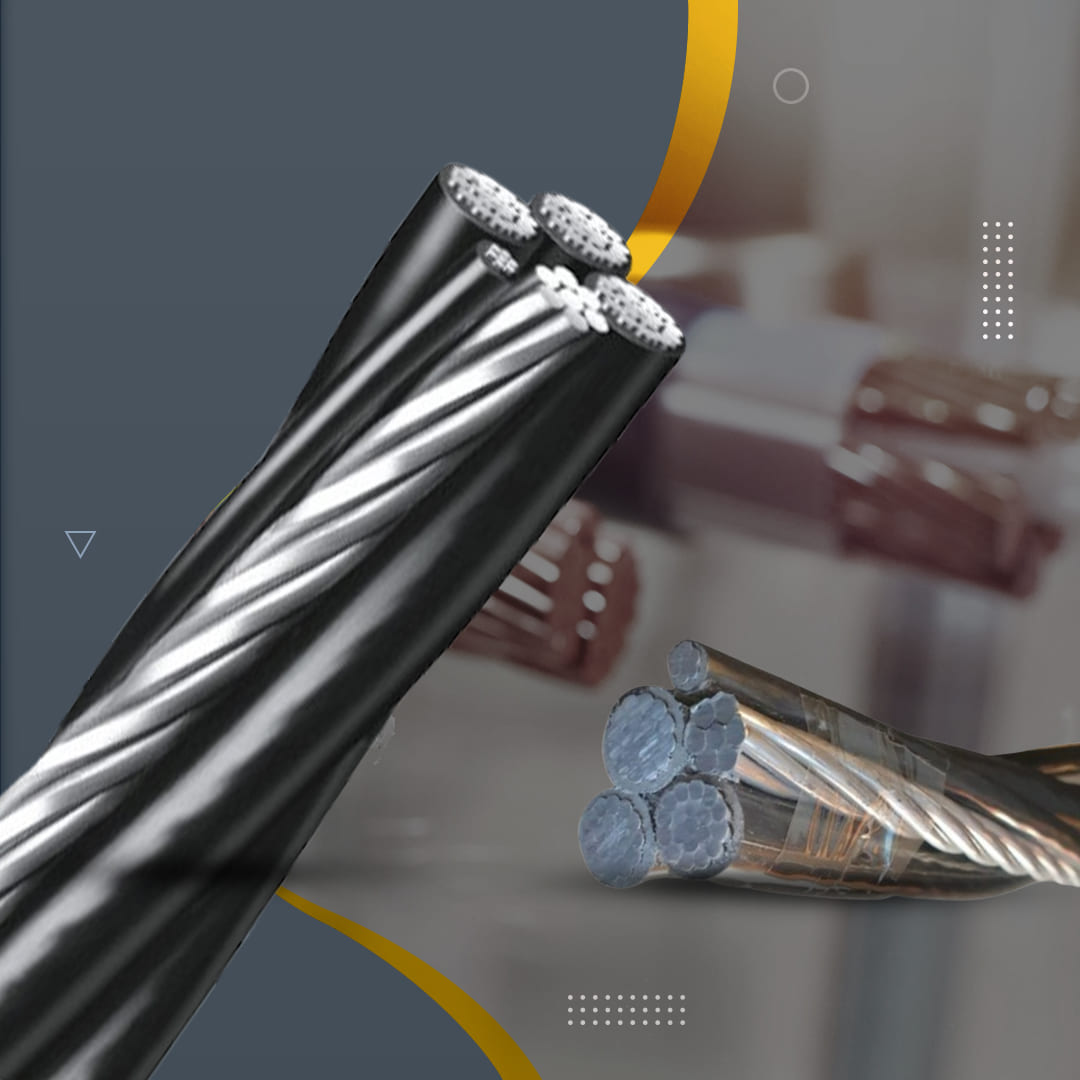
Understanding Industrial Power Cables: The Backbone of Modern Industry
In the modern industrial landscape, power cables form the backbone of operations, ensuring the seamless transmission of electricity across various sectors. These cables are designed to withstand harsh environmental conditions and provide a reliable power supply, which is critical for maintaining productivity and safety. Industrial power cables are engineered to meet stringent standards, ensuring they can handle high voltage and current loads while minimizing energy loss. The choice of materials, insulation, and protective layers in these cables is crucial to their performance and longevity.
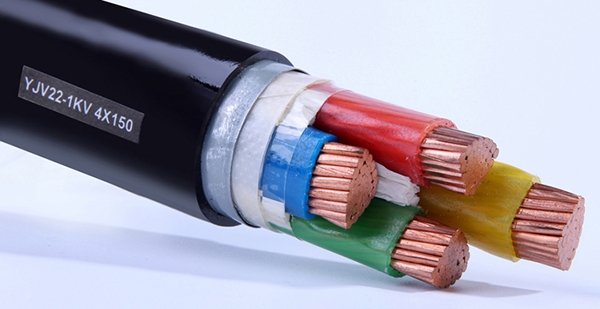
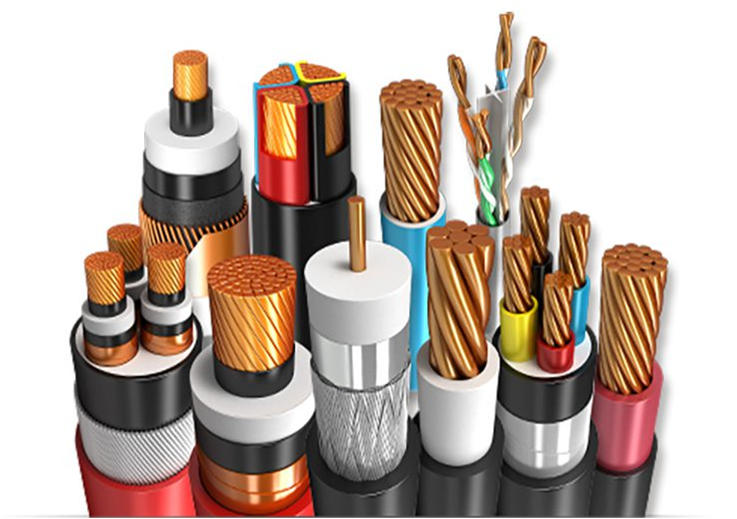
Industrial power cables are often categorized based on their construction and application. They include single-core and multi-core cables, each serving specific purposes. Single-core cables are typically used for high-voltage applications, whereas multi-core cables are preferred for complex installations requiring multiple circuits. The insulation and sheathing materials used in these cables are selected based on the environmental conditions they will encounter, such as temperature extremes, moisture, and chemical exposure.
Furthermore, the evolving demands of modern industries necessitate the use of advanced power cables that can support sophisticated machinery and automation systems. These cables must not only deliver power but also ensure minimal interference with electronic equipment. As industries continue to innovate, the role of industrial power cables becomes even more pivotal in supporting technological advancements and optimizing operational efficiency.
Armored Cables in Industrial Use: A Versatile Solution for Diverse Applications
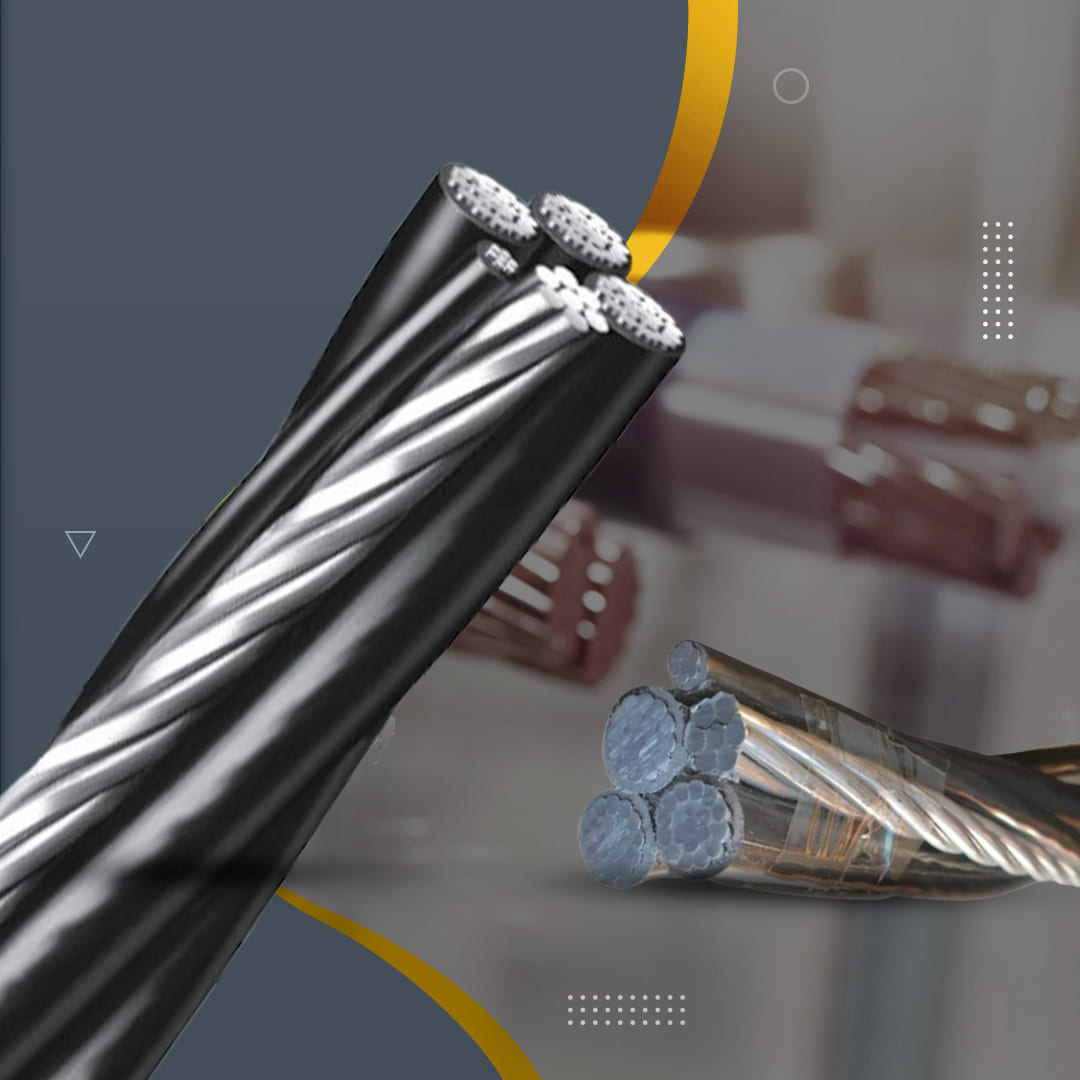
The use of Aluminium Armored Cable in industrial settings is widespread due to their versatility and reliability. These cables are employed in various applications, from power distribution to control and instrumentation. In manufacturing plants, armored cables ensure the uninterrupted operation of machinery and equipment by providing a stable power supply. They are also used in mining operations, where they must endure extreme conditions and mechanical stress.
In the oil and gas industry, armored cables play a crucial role in both onshore and offshore installations. They are used to power drilling rigs, pumps, and other essential equipment, ensuring continuous operation in a challenging environment. The chemical industry also benefits from the use of armored cables, as they can withstand exposure to corrosive substances and high temperatures.
Armored cables are also essential in renewable energy installations, such as wind and solar farms. They connect power generation units to the grid, ensuring efficient energy transmission and distribution. The use of aluminum armored cables in these applications is particularly advantageous due to their lightweight nature and cost-effectiveness compared to traditional copper cables.
Furthermore, as industries expand globally, the demand for reliable and efficient power solutions continues to grow. Armored cables meet this demand by offering a dependable option that supports a wide array of industrial applications. Their adaptability to different environmental conditions and operational requirements makes them a preferred choice for industries looking to optimize their power distribution networks.
Aluminium Armored Cables: A Cost-Effective and Efficient Choice
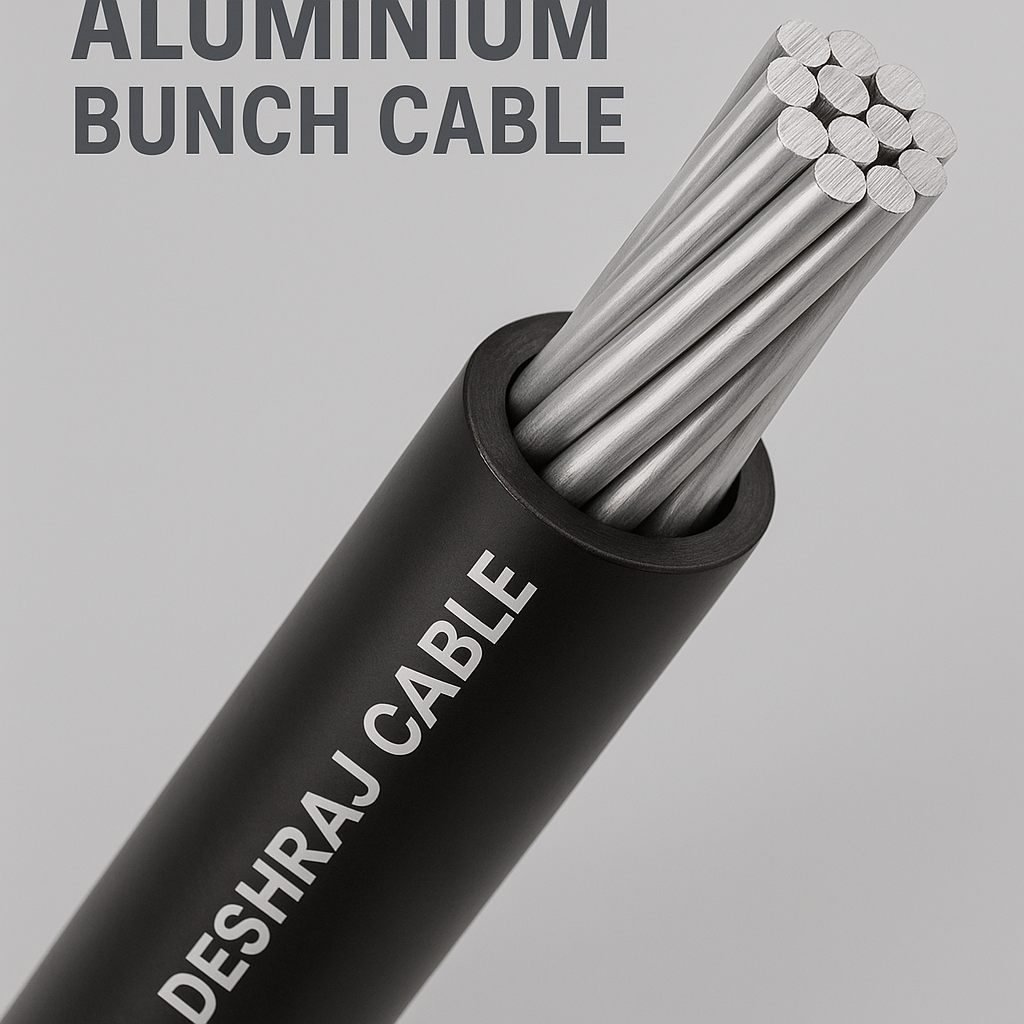
Aluminium armored cables offer several benefits over their copper counterparts, making them a popular choice in industrial applications. One of the primary advantages is their cost-effectiveness. Aluminum is more abundant and less expensive than copper, resulting in lower material costs. This makes aluminum armored cables an attractive option for large-scale projects where budget constraints are a consideration.
Environmental and Sustainability Benefits of Aluminium Armored Cables
Beyond their economic advantages, aluminum armored cables also offer environmental benefits. Aluminum is a highly recyclable material, and the production of aluminum cables has a lower environmental impact compared to copper. This makes aluminum armored cables a more sustainable choice, aligning with the growing emphasis on environmentally responsible practices in the industrial sector.
The use of aluminum armored cables can contribute to reducing the carbon footprint of industrial operations. By choosing aluminum over copper, industries can decrease their reliance on non-renewable resources and minimize waste. This is particularly important as industries strive to meet regulatory requirements and consumer expectations for sustainable practices.
Additionally, the recyclability of aluminum means that industries can contribute to a circular economy, where materials are reused and repurposed to minimize environmental impact. This aligns with global efforts to promote sustainability and reduce the depletion of natural resources. As industries become more conscious of their environmental responsibilities, aluminum armored cables offer a viable solution that supports these initiatives.
Conclusion: The Future of Aluminium Armored Cables in Industry
Aluminium armored cables represent a promising solution for industrial power distribution, offering a combination of cost-effectiveness, durability, and environmental benefits. As industries continue to seek ways to improve efficiency and sustainability, the adoption of aluminum armored cables is likely to increase. By addressing the challenges associated with Deshraj Cable use and leveraging their advantages, industries can enhance their operations and contribute to a more sustainable future.