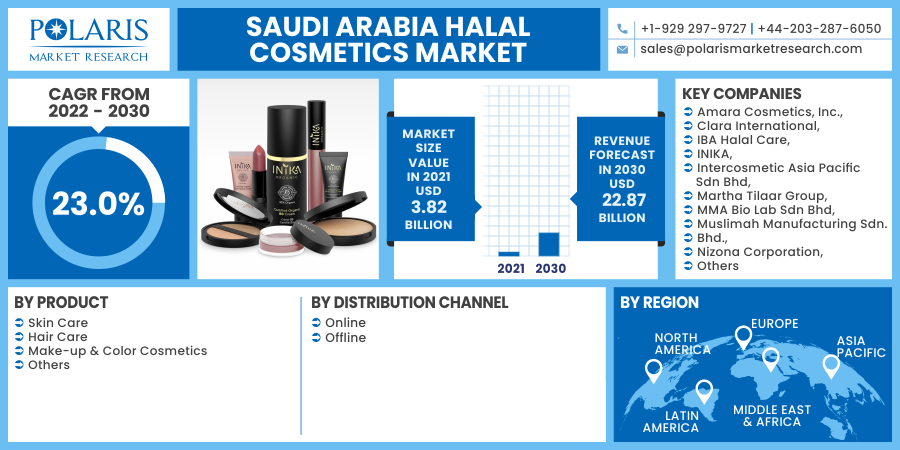


The cosmetics market in Saudi Arabia is witnessing strong growth and is projected to expand from USD 1.99 billion in 2022 to USD 3.62 billion by 2030, reflecting a CAGR of 7.76% during the 2023-2030 forecast period. The increasing number of beauty-conscious consumers, particularly women, along with the country’s diverse population, has fueled the expansion of the cosmetics sector in Saudi Arabia.
Several key factors contribute to this market growth, including the rise in tourism, increasing skincare concerns, digital transformation, and higher disposable income levels. Due to the presence of a large expatriate community, there is significant demand for international beauty products. Additionally, the preference for organic and chemical-free cosmetics has surged in recent years, prompting brands to incorporate natural formulations in their product lines. The harsh climatic conditions in the region also drive demand for specialized personal care products.
Click – https://www.marketsandata.com/industry-reports/saudi-arabia-cosmetics-market
Investment in Halal Cosmetics
Saudi Arabia’s Public Investment Fund (PIF) has launched the Halal Products Development Company (HPDC) to support the localization of Halal cosmetics production. This initiative aligns with Saudi Vision 2030, which aims to diversify the economy and establish the Kingdom as a global hub for Halal products.
Influence of Social Media and Digital Platforms
With over 75% of Saudi Arabia’s population active on social media and more than 95% having internet access, digital platforms play a crucial role in market penetration. Social media influencers have a strong impact on beauty trends, as they frequently use and promote cosmetics such as skincare, color cosmetics, and hair care products. Their endorsements help brands connect with younger consumers who aspire to replicate the looks of their favorite influencers. Consequently, both local and international brands increasingly collaborate with influencers to enhance brand visibility.
Cultural and Religious Considerations
While Saudi Arabia remains a conservative nation that values modesty, perceptions of beauty and cosmetics have evolved. Saudi women often favor subtle makeup that enhances natural features rather than bold or dramatic looks. As a result, there is growing interest in minimalist beauty trends that highlight eyes, skin, and overall natural appeal.
Skincare holds significant importance in Saudi culture, with consumers prioritizing gentle, hydrating, and chemical-free products. Additionally, demand for Halal-certified cosmetics has risen, as many consumers seek products that align with Islamic guidelines regarding ingredient sourcing and manufacturing processes. Brands operating in Saudi Arabia must ensure their products adhere to these cultural expectations to build consumer trust and loyalty.
Regulatory Framework
The Saudi cosmetics industry is governed by strict regulatory guidelines to ensure product safety and quality. The Saudi Food and Drug Authority (SFDA) oversees the enforcement of cosmetics laws and has implemented a conformity assessment program to prevent fraudulent practices and protect consumers. Companies importing cosmetics into Saudi Arabia must comply with this process, which prohibits the use of harmful substances such as formaldehyde, HICC, and methylene glycol in cosmetic formulations.
Expanding Retail Landscape
Saudi Arabia is emerging as a premier luxury shopping destination, attracting international brands such as Chanel, Prada, Tiffany, and Louis Vuitton. These high-end companies have expanded their presence in the Kingdom by opening flagship stores and mono-brand outlets. The demand for luxury cosmetics is rising, particularly among affluent Gen Z consumers, female shoppers, and wealthy tourists.
The retail sector has also undergone significant expansion, with the development of large shopping malls, specialty beauty stores, and online platforms, enhancing consumer access to a diverse range of beauty products. Government initiatives under Vision 2030 continue to encourage international investments in the retail sector. A notable example is the partnership between India’s Nykaa and the Apparel Group, which aims to introduce Nykaa’s cosmetic products to the Saudi market.
Dominance of Skincare Segment
Natural and organic skincare products are gaining widespread popularity in Saudi Arabia. Consumers are increasingly attentive to product ingredients, preferring formulations free from harsh chemicals, parabens, and sulfates. Traditional natural elements such as argan oil, rose water, camel milk, and date extract are frequently used in skincare due to their perceived benefits and cultural relevance.
Moisturizers and hydrating creams are especially sought after due to the Kingdom’s arid climate, which contributes to dry skin. Products containing hydrating ingredients such as hyaluronic acid and essential oils are in high demand. Additionally, the market for anti-aging treatments, including creams and serums that target fine lines and skin firmness, is expanding as consumers prioritize youthful, healthy-looking skin.
Impact of COVID-19
The COVID-19 pandemic disrupted global supply chains, affecting the availability and distribution of cosmetics. Restrictions on international trade, logistical challenges, and temporary factory shutdowns led to product shortages and delays in restocking.
Financial constraints also influenced consumer spending, particularly among lower and middle-income groups, who reduced expenditures on non-essential items like cosmetics. Additionally, the closure of physical retail stores, including malls and beauty counters, resulted in a shift toward online shopping. Brands that previously relied on in-store sales were significantly impacted.
Saudi Arabia Cosmetics Market Report Scope
The report “Saudi Arabia Cosmetics Market Assessment, Opportunities, and Forecast, 2016-2030F” by Markets & Data provides a detailed analysis of the cosmetics industry in Saudi Arabia. It examines market dynamics, segmental shares, growth trends, and the impact of COVID-19. Additionally, the report highlights key industry players, their market share, business strategies, and competitive landscape.
Contact
Mr. Vivek Gupta5741 Cleveland street,Suite 120, VA beach, VA, USA 23462Tel: +1 (757) 343–3258Email: info@marketsandata.comWebsite: https://www.marketsandata.com