Ferrous sulfate is a vital mineral supplement that plays a crucial role in human health and various industrial applications. This essential compound has gained significant attention in medical, agricultural, and manufacturing sectors due to its versatile properties and wide-ranging benefits.
What is Ferrous Sulfate and How Does It Function in the Human Body?
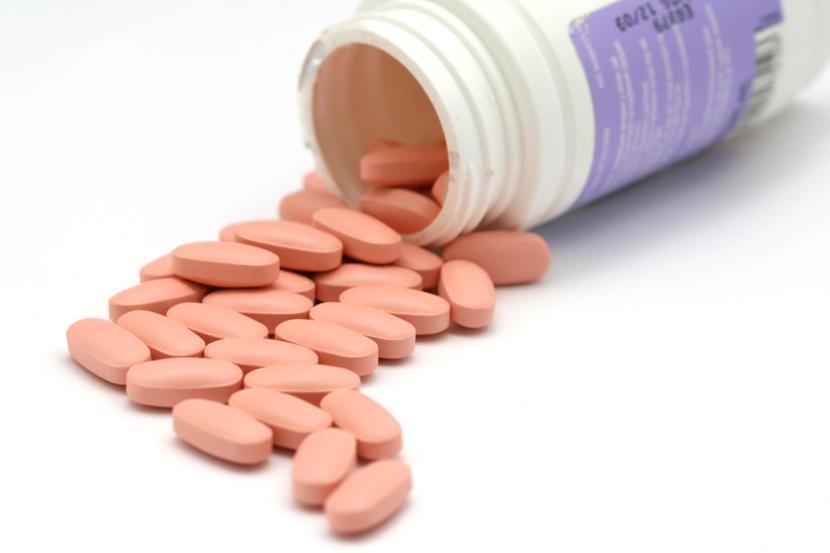
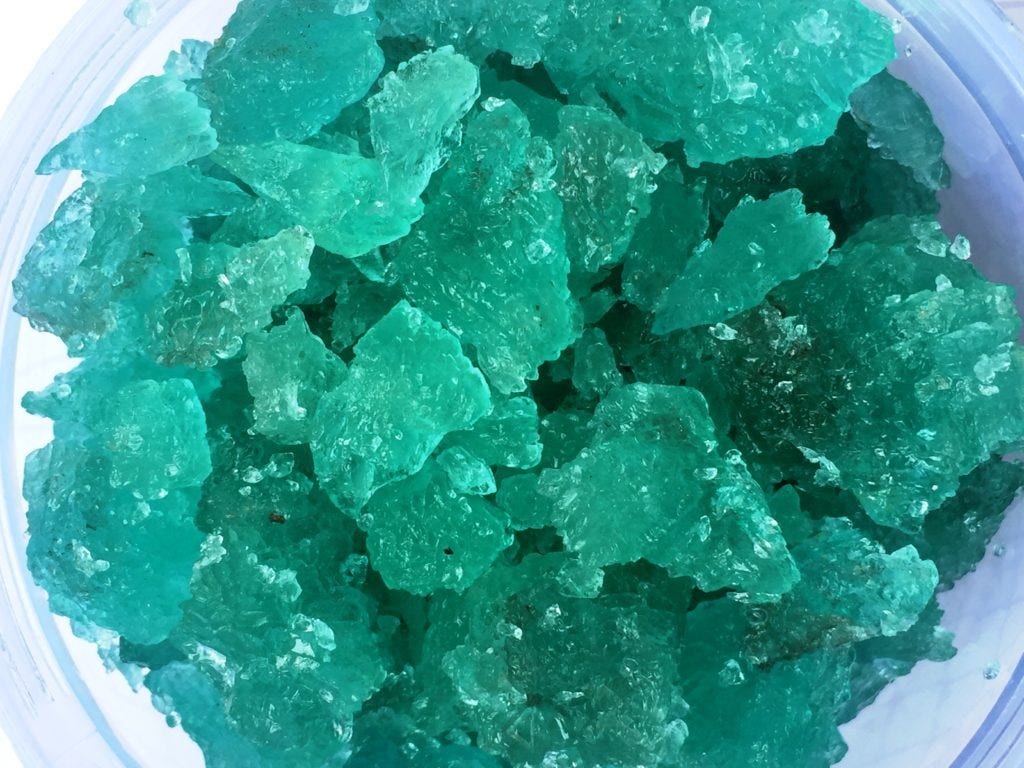
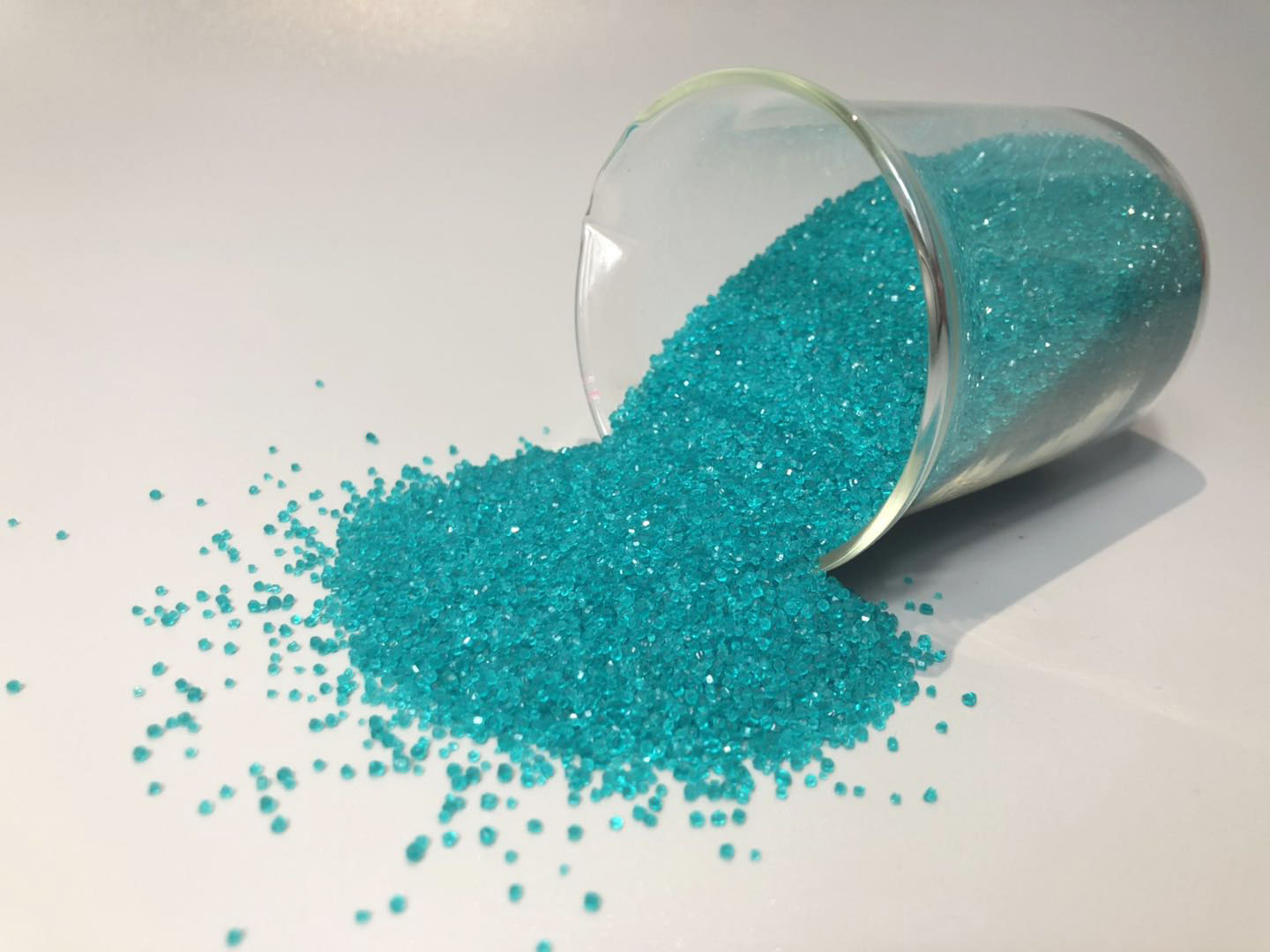
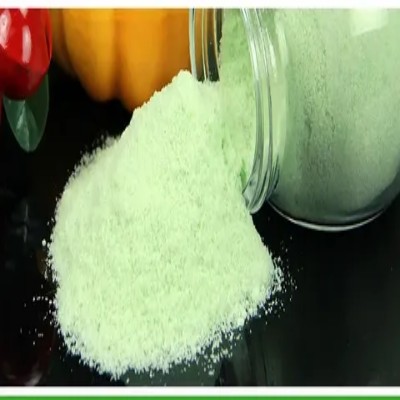
Ferrous Sulfate is an inorganic salt composed of iron and sulfate, scientifically represented as FeSO4. It appears as a greenish-white crystalline substance that is highly soluble in water and widely used as a dietary supplement to treat iron deficiency. The human body requires iron for numerous critical functions, including oxygen transportation, enzyme production, and cellular metabolism. When consumed, ferrous sulfate breaks down in the digestive system, releasing iron ions that are absorbed by the body. These iron ions are essential for hemoglobin production, the protein in red blood cells responsible for carrying oxygen throughout the body. People with low iron levels, such as pregnant women, vegetarians, and individuals with certain medical conditions, often rely on ferrous sulfate supplements to maintain optimal health.
Medical Applications and Health Benefits of Ferrous Sulfate Supplementation
Medical professionals frequently prescribe ferrous sulfate to address various health conditions related to iron deficiency. Anemia, a condition characterized by low red blood cell count, is one of the primary reasons for ferrous sulfate supplementation. By replenishing iron stores, this compound helps improve energy levels, reduce fatigue, and support overall cellular function. Pregnant women benefit significantly from ferrous sulfate supplements, as their iron requirements increase during pregnancy. The additional iron supports fetal development, prevents complications like low birth weight, and helps maintain the mother's health during this critical period. Children and adolescents experiencing growth spurts also benefit from controlled iron supplementation to support their rapid physical development. Beyond treating anemia, ferrous sulfate has demonstrated potential in supporting immune system function, enhancing cognitive performance, and promoting healthy skin and hair growth. Research suggests that adequate iron levels contribute to improved mental clarity, reduced risk of infections, and better overall metabolic processes.
Industrial and Agricultural Uses of Ferrous Sulfate
While medical applications are widely recognized, ferrous sulfate finds extensive use in various industrial and agricultural sectors. In water treatment facilities, it serves as a critical component for removing phosphates and controlling algae growth. Municipal water treatment plants utilize ferrous sulfate to improve water quality and maintain ecological balance. Agricultural industries leverage ferrous sulfate as a crucial fertilizer and soil amendment. Farmers apply this compound to correct iron deficiencies in soil, particularly in alkaline environments where plants struggle to absorb iron naturally. By enhancing soil fertility, ferrous sulfate helps improve crop yields and supports sustainable agricultural practices. Manufacturing processes also incorporate ferrous sulfate in multiple applications. The compound is used in producing pigments, ceramic glazes, and specific types of cement. Its chemical properties make it valuable in metallurgy, photography, and various industrial chemical reactions.
Potential Side Effects and Considerations for Ferrous Sulfate Consumption
Despite its numerous benefits, ferrous sulfate consumption requires careful consideration and medical guidance. Some individuals may experience side effects such as constipation, stomach upset, and dark stools. These symptoms are typically mild and resolve with proper dosage management or alternative supplement formulations. Individuals with certain medical conditions, including hemochromatosis, should exercise caution when considering iron supplementation. Excessive iron accumulation can lead to potential health complications, making professional medical consultation essential before starting any supplementation regimen. Drug interactions represent another critical aspect of ferrous sulfate consumption. The compound can interfere with the absorption of certain medications, including antibiotics and thyroid hormones. Patients should always inform healthcare providers about their current medications and supplement intake to prevent potential interactions.
Advanced Research and Future Developments in Ferrous Sulfate Applications
Ongoing scientific research continues to explore innovative applications and potential benefits of ferrous sulfate. Emerging studies investigate its role in managing chronic diseases, improving metabolic functions, and developing advanced medical treatments. Researchers are particularly interested in its potential in nanotechnology and targeted drug delivery systems. The pharmaceutical industry is developing enhanced ferrous sulfate formulations with improved absorption rates and reduced side effects. Sustained-release capsules and chelated iron compounds represent promising advancements in iron supplementation technology. Environmental scientists are also examining ferrous sulfate's potential in sustainable water treatment and soil remediation processes. Its ability to bind with phosphates and heavy metals makes it a valuable compound in ecological restoration efforts.
Get This Report in Japanese Language: 硫酸第一鉄
Get This Report in Korean Language: 황산제철
About Author:
Ravina Pandya, Content Writer, has a strong foothold in the market research industry. She specializes in writing well-researched articles from different industries, including food and beverages, information and technology, healthcare, chemical and materials, etc. (https://www.linkedin.com/in/ravina-pandya-1a3984191)