What are Gear Reducers?
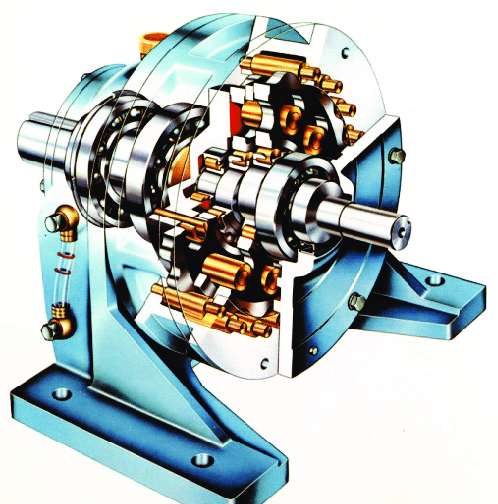
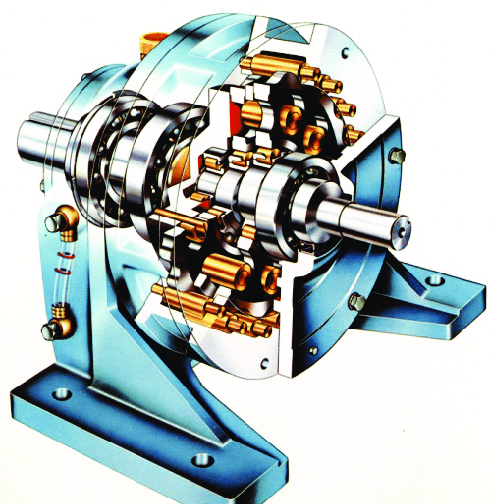
A gear reducer, also known as a speed reducer or a gearbox, is a core mechanical device that operates using a set of gears to reduce rotational speed and increase torque in an output shaft. Unlike gears used for speed multiplication, gear reducers are engineered in a way that the gear ratio between input shaft and output shaft is less than one. This inverse gear ratio enables torque amplification while limiting rotational velocity.
Working Mechanism of Gear Reducers
Gear Reducer box design is comprised of a few stages of meshed spur gears or planetary gears. The input shaft from a motor or engine is connected to a smaller driven gear. A larger driving gear is meshed with this driven gear. The motion and torque from the input shaft is transmitted through this gear pair. Due to the size difference between driving and driven gear, the rotational speed of output shaft connected to the larger driving gear gets reduced in proportion to the gear ratio. Simultaneously, torque multiplication occurs as the bigger gear distributes the rotational effort from smaller gear over a larger circumference. This speed reduction and torque gain property is enhanced each subsequent stage of gear meshing in multistage gear reducers.
Gear Materials and Surface Treatments
Majority of industrial gear reducers employ cast iron or hardened steel gears for ruggedness and durability. However, alternative materials like aluminum, stainless steel and composites are also gaining acceptance. The gear teeth surfaces undergo mechanical, thermal or chemical processing to enhance wear resistance, lubricity and load carrying ability. Hardening techniques like carburizing, induction hardening and nitriding create compressive case hardened layers. Finishing processes such as grinding, lapping and burnishing deliver mirror smooth finished with very tight tolerances essential for quiet and efficient gear meshing. Coatings like phosphate, epoxy and PTFE further fortify the gear teeth against abrasive wear and corrosion.
Types of Gear Reducers
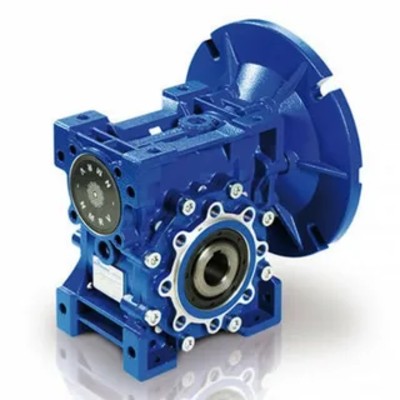
Based on gear architecture and application needs, there are different categories of gear reducers available in the market: - Worm Gear Reducers: Utilize a worm shaft meshing with a worm gear for heavy-duty torque conversion in limited space. However, they have lower efficiency. - Helical Gear Reducers: Feature helical or spiral cut gears for smooth and quiet operation. But, they require more space than other types. - Planetary Gear Reducers: Incorporate a central sun gear engaged by multiple planetary gears in circular orbit. They provide compact packaging and self-centering effect for higher load capacity. - Right-Angle Gear Reducers: Enable driving a secondary axle positioned at 90° angle to input shaft within minimum space. Mainly used where space is a constraint like robotic arms. - Inline Gear Reducers: Arrange reduction stages coaxially aligned along the input-output axis. Most commonly used configuration thanks to simple and inexpensive design.
Applications of Gear Reducers
Gear reducers excel at applications requiring regulated slow rotational movement with higher torques. Here are some key industrial sectors utilizing gear reducers: - Material Handling: Conveyor belts, lifts, cranes, handling equipment leverage gear boxes for controlled payload transfer at optimal speeds. - Packaging Machinery: Gear reducers synchronize motions of packaging lines producing wrappers, fillers, sealers and labeling units operating at fixed processing rates. - Pumps and Compressors: Low speed high torque outputs of gearboxes perfectly match requirements of centrifugal pumps, blowers and air compressors. - Wind Turbines: Gearboxes boost low RPM rotations of wind turbine rotors into higher RPMs suitable for generators to produce electricity. - Marine Applications: Propulsion systems driving thrusters and pod propellers in ships heavily rely on gear reducers to cut motor speeds. - Agricultural Equipment: Tractors, harvesters, seeders and other farm machinery tap into geared power take-offs from engines/motors.
Get This Report in Japanese Language: ギア減速機
Get This Report in Korean Language: 기어 감속기
About Author:
Ravina Pandya, Content Writer, has a strong foothold in the market research industry. She specializes in writing well-researched articles from different industries, including food and beverages, information and technology, healthcare, chemical and materials, etc. (https://www.linkedin.com/in/ravina-pandya-1a3984191)