Understanding Vegan Leather Wallets: A Sustainable Fashion Choice
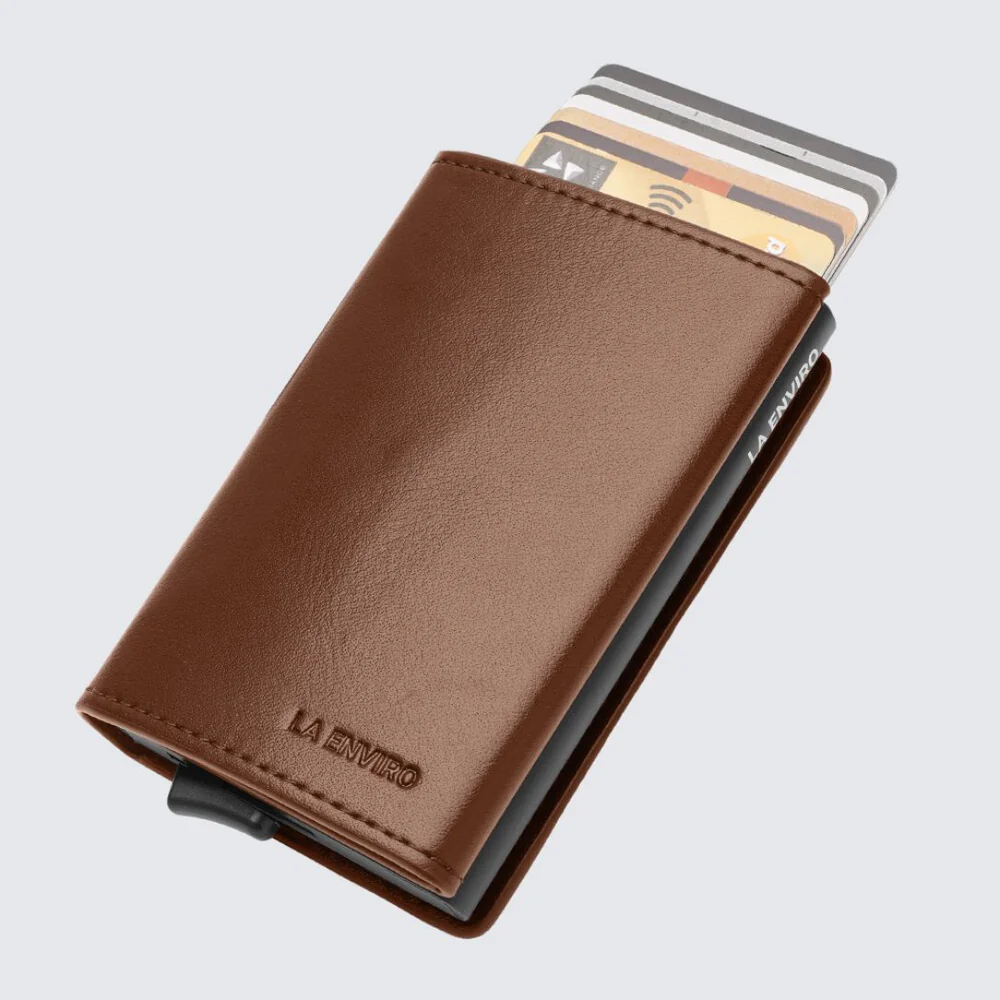
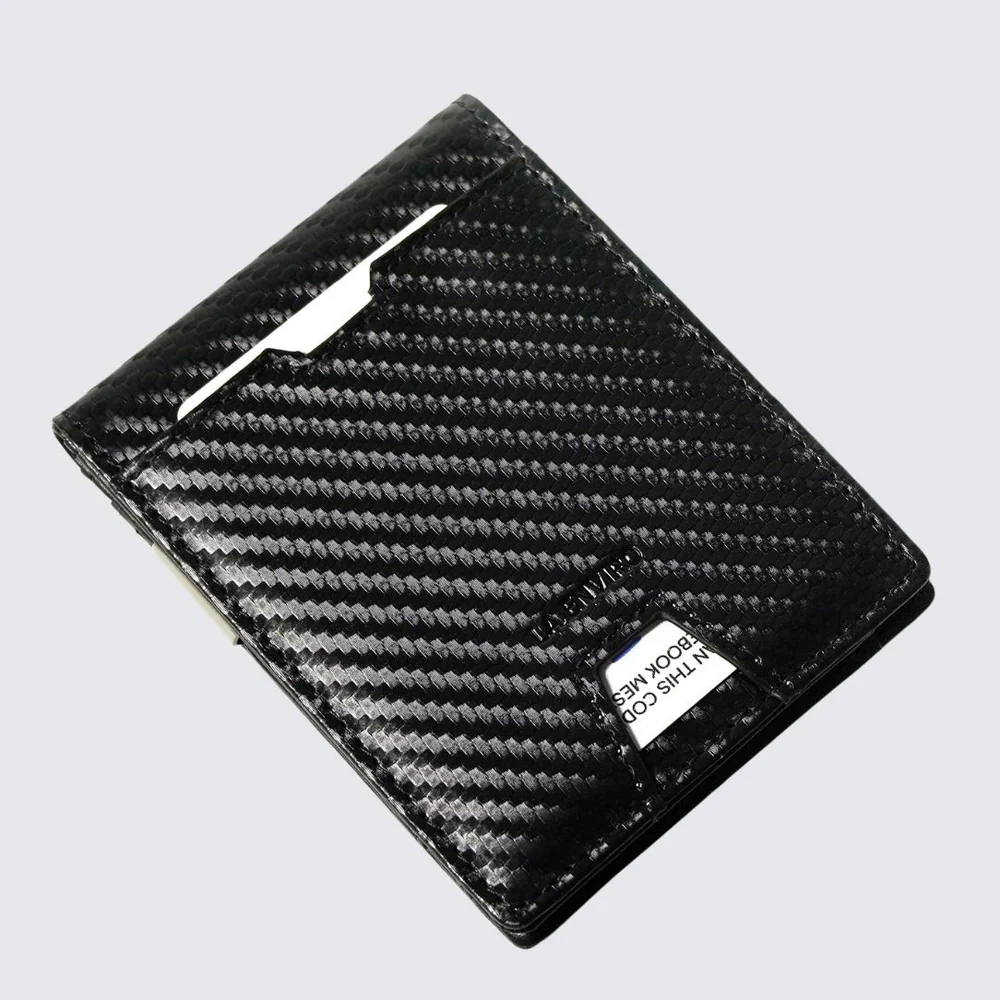
In recent years, the fashion industry has witnessed a significant shift towards sustainability, driven by a growing awareness of environmental and ethical concerns. At the forefront of this movement is the rise of vegan leather wallets, which have become a staple in sustainable fashion. These wallets are crafted from cruelty-free materials, offering a compassionate alternative to traditional leather without compromising on quality or style.
This shift is part of a broader trend towards eco-friendly products, as consumers increasingly demand transparency and responsibility from brands. Vegan leather wallets are not just about avoiding animal products; they represent a holistic approach to sustainability, encompassing environmental, social, and economic dimensions. By choosing vegan leather, consumers are making a statement about their values and their commitment to a more sustainable future.
The Evolution of Vegan Leather: From Concept to Reality
The concept of vegan leather has evolved significantly over the years. Initially, it was met with skepticism, with many questioning its durability and aesthetic appeal compared to genuine leather. However, advancements in technology and materials have propelled vegan leather into the mainstream. Today, it is celebrated for its versatility, durability, and resemblance to traditional leather, making it an attractive option for fashion-conscious consumers.
The journey of vegan leather began with simple synthetic alternatives that lacked the texture and resilience of real leather. However, the development of innovative materials and processes has transformed vegan leather into a product that can rival its animal-based counterpart. Today, vegan leather is crafted from a variety of sources, including plants, recycled plastics, and even laboratory-grown materials, each offering unique benefits and characteristics.
Materials Used in Vegan Leather Wallets: A Deep Dive
Vegan leather wallets are made from a variety of innovative materials, each offering unique benefits. Some of the most popular materials include:
- Polyurethane (PU): A synthetic material that mimics the look and feel of leather. It is lightweight, durable, and easy to clean, making it a popular choice for wallets.
- Pineapple Leather (Piñatex): Made from the fibers of pineapple leaves, this eco-friendly material is biodegradable and offers a unique texture.
- Mushroom Leather: Derived from mycelium, the root structure of mushrooms, this material is sustainable and offers a soft, suede-like finish.
- Cork Leather: Harvested from the bark of cork oak trees, cork leather is renewable, water-resistant, and lightweight.
These materials are not just substitutes for animal leather; they offer distinct advantages in terms of sustainability and functionality. For example, Piñatex is made from agricultural waste, reducing the need for additional resources and minimizing environmental impact. Similarly, mushroom leather is biodegradable and can be produced with minimal energy and water consumption, making it a truly sustainable option.
The Environmental Impact of Vegan Leather Wallets
One of the primary reasons for the growing popularity of vegan leather wallets is their reduced environmental impact. Traditional leather production is resource-intensive, requiring large amounts of water and chemicals, and contributes to deforestation and greenhouse gas emissions. In contrast, vegan leather production often uses less water and energy, and many materials are biodegradable or recyclable, further minimizing their ecological footprint.
Moreover, vegan leather production does not contribute to the same level of pollution and waste as traditional leather. The tanning process for animal leather involves toxic chemicals that can contaminate water supplies and harm ecosystems. By opting for vegan leather, consumers can reduce their environmental impact and support more sustainable practices in the fashion industry.
Vegan Leather Wallets and Ethical Fashion
Ethical fashion is a movement that prioritizes fair labor practices, animal welfare, and environmental sustainability. Vegan leather wallets align with these principles by offering a cruelty-free alternative to animal leather. By choosing vegan leather, consumers can support ethical brands that prioritize humane production methods and contribute to a more compassionate fashion industry.
The ethical fashion movement is about more than just the materials used in products; it encompasses the entire supply chain, from raw material sourcing to manufacturing and distribution. Vegan leather wallets are often produced by companies that adhere to fair trade principles, ensuring that workers are paid fair wages and work in safe conditions. This commitment to ethical practices extends beyond the product itself, making vegan leather wallets a truly responsible choice for conscious consumers.
Quality and Durability: Debunking Myths about Vegan Leather
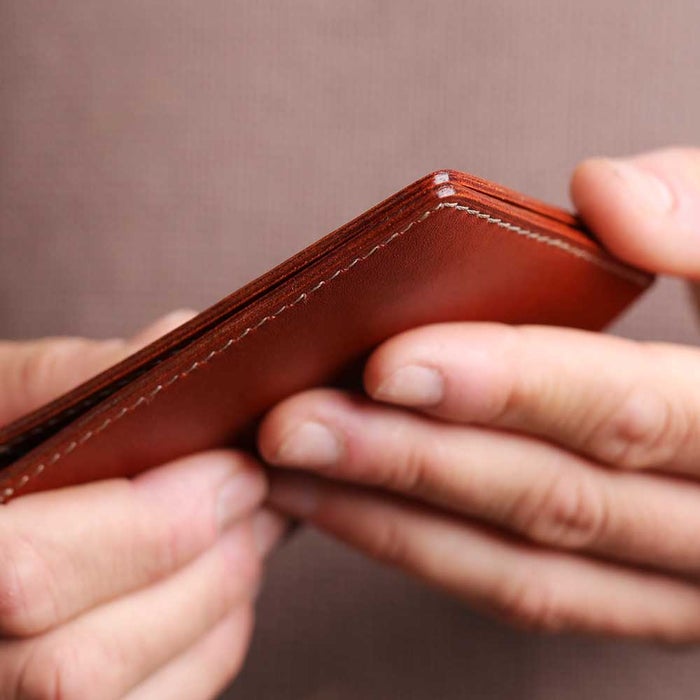
There is a common misconception that vegan leather is inferior to traditional leather in terms of quality and durability. However, modern vegan leather materials are designed to withstand daily wear and tear, offering comparable strength and longevity. Many vegan leather wallets are resistant to scratches, water, and UV rays, ensuring they remain in excellent condition for years.
In fact, some vegan leather materials offer advantages over traditional leather in terms of maintenance and resilience. For example, PU leather is easy to clean and does not require the same level of care as animal leather, which can be prone to cracking and fading over time. By choosing vegan leather, consumers can enjoy the look and feel of leather without the hassle of extensive maintenance.
Style and Design: The Aesthetic Appeal of Vegan Leather Wallets
Vegan leather wallets are available in a wide range of styles, colors, and designs, catering to diverse fashion tastes. From minimalist designs to bold patterns, these wallets offer something for everyone. The versatility of vegan leather allows designers to experiment with textures and finishes, resulting in unique and stylish accessories that make a statement.
The aesthetic appeal of vegan leather wallets is not limited to their appearance; it extends to the values they represent. By choosing a vegan leather wallet, consumers can express their commitment to sustainability and ethical fashion, making a statement about their personal values and lifestyle. This combination of style and substance is a key factor in the growing popularity of vegan leather wallets among fashion-conscious consumers.
The Market Demand for Vegan Leather Wallets
The demand for vegan leather wallets is on the rise, driven by a growing consumer base that values sustainability and ethical practices. As more people become aware of the environmental and ethical implications of their purchasing decisions, the market for vegan leather products continues to expand. This trend is further supported by the increasing availability of vegan leather wallets in mainstream retail outlets and online platforms.
In addition to individual consumers, businesses and organizations are also recognizing the benefits of vegan leather products. Many companies are incorporating vegan leather into their product lines as part of their corporate social responsibility initiatives, offering eco-friendly and ethical alternatives to traditional leather goods. This shift is helping to drive further growth in the vegan leather market, as more brands and retailers embrace sustainable practices.
Challenges and Opportunities in the Vegan Leather Industry
While the vegan leather industry offers numerous benefits, it also faces challenges. One of the main challenges is the perception of vegan leather as a niche product. To overcome this, brands must focus on educating consumers about the benefits of vegan leather and its potential to rival traditional leather in terms of quality and style. Additionally, there is an opportunity for innovation in materials and production processes to further enhance the sustainability and appeal of vegan leather products.
The vegan leather industry also faces competition from other sustainable materials, such as recycled plastics and organic fabrics. To remain competitive, vegan leather manufacturers must continue to innovate and develop new materials and technologies that offer unique benefits and appeal to consumers. This focus on innovation will be key to the long-term success of the vegan leather industry and its ability to compete with traditional leather and other sustainable alternatives.
The Future of Vegan Leather Wallets in Sustainable Fashion
The future of vegan leather wallets looks promising, as the fashion industry continues to embrace sustainability and ethical practices. As technology advances, we can expect to see even more innovative materials and designs that push the boundaries of what vegan leather can achieve. With a growing consumer demand for eco-friendly products, vegan leather wallets are poised to become a mainstay in the world of sustainable fashion.
In the coming years, we can expect to see increased collaboration between fashion designers, material scientists, and sustainability experts to develop new vegan leather products that meet the needs and preferences of consumers. This interdisciplinary approach will help to drive further innovation and growth in the vegan leather industry, ensuring that vegan leather wallets remain at the forefront of sustainable fashion.
Conclusion: Embracing a Sustainable Fashion Future
The rise of vegan leather wallets is a testament to the shifting priorities of consumers and the fashion industry as a whole. By choosing cruelty-free and sustainable alternatives, we can contribute to a more ethical and environmentally responsible fashion landscape. As the movement towards sustainable fashion continues to gain momentum, vegan leather wallets offer a stylish and compassionate choice for those looking to make a positive impact.
Ultimately, the success of vegan leather wallets and other sustainable fashion products depends on the willingness of consumers to embrace change and prioritize sustainability in their purchasing decisions. By supporting ethical and eco-friendly brands, consumers can help to drive positive change in the fashion industry and contribute to a more sustainable future for all.