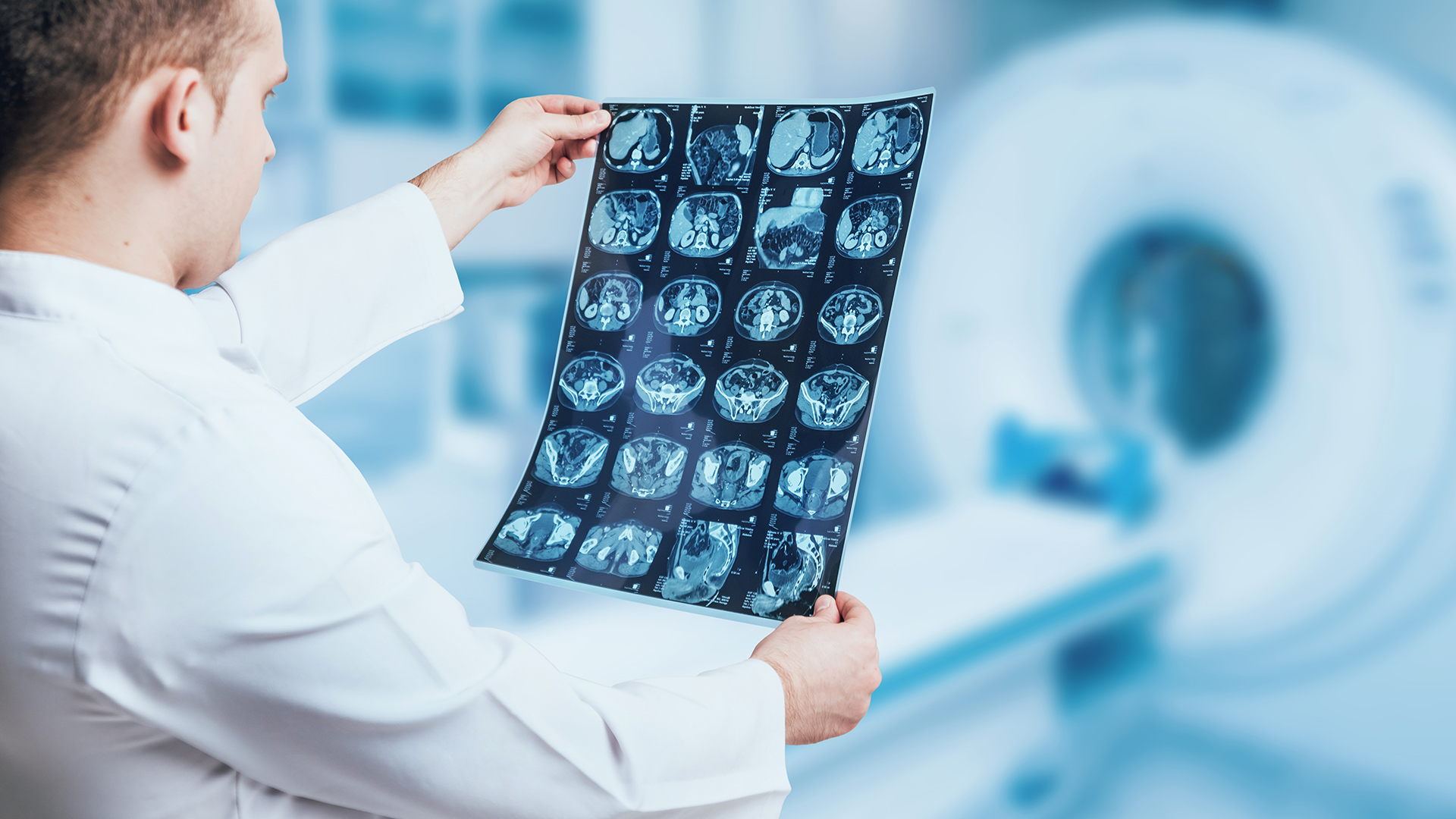



Medical radioisotopes play a crucial role in modern healthcare, enabling the accurate diagnosis and effective treatment of various diseases. These radioactive substances are utilized in nuclear medicine for imaging, therapy, and research, providing a non-invasive approach to diagnosing and treating conditions such as cancer, cardiovascular diseases, and neurological disorders. The continuous advancements in radioisotopes have revolutionized the field of medicine, making early detection and precise treatment possible.
Ac-225 Supplier: A Key Player in Targeted Cancer Therapy
Among the many medical-radioisotopes, Actinium-225 (Ac-225) has gained significant attention due to its potential in targeted alpha therapy (TAT). Ac-225 is used in cancer treatment by delivering high-energy alpha particles directly to cancer cells, minimizing damage to surrounding healthy tissues. However, the demand for Ac-225 far exceeds its supply, making it a crucial area of development.
Finding a reliable AC-225 supplier is essential for research institutions and healthcare providers. The limited natural sources and complex production process of Ac-225 make it difficult to obtain in large quantities. Governments and private companies worldwide are investing in expanding Ac-225 production to meet the increasing demand. Collaboration between nuclear reactors, cyclotrons, and pecialized research centers is necessary to ensure a steady and sufficient supply of this critical isotope.
Radioisotopes Production: Challenges and Innovations
The production of radioisotopes involves various methods, including nuclear reactors, particle accelerators, and specialized laboratories. Each technique is chosen based on the type of radioisotope required and its intended medical application.
1. Nuclear Reactors: Many radioisotopes, such as Technetium-99m (Tc-99m) and Iodine-131 (I-131), are produced in nuclear reactors. These facilities expose target materials to neutron radiation, triggering nuclear reactions that generate the desired isotopes.
2. Cyclotrons: Cyclotrons are used to produce short-lived radioisotopes like Fluorine-18 (F-18), which is widely used in Positron Emission Tomography (PET) scans. These accelerators bombard target materials with protons, leading to the formation of radioisotopes suitable for imaging applications.
3. Radiochemical Processing: Once produced, radioisotopes undergo purification and processing to ensure they meet safety and quality standards before being distributed to hospitals and research centres.
The advancements in radioisotopes production are crucial to maintaining a steady supply of these essential materials. Innovations in reactor technology, alternative production methods, and international cooperation are helping address shortages and improve accessibility to critical radioisotopes.
Conclusion: Radioisotopes are indispensable tools in modern medicine, offering precise diagnostic imaging and effective treatment for a wide range of diseases. The growing demand for specialized isotopes like Ac-225 highlights the need for reliable suppliers and advanced production techniques. Continued research and investment in radioisotopes are essential to overcoming supply challenges and ensuring that patients worldwide benefit from cutting-edge nuclear medicine technologies. As the field of radioisotopes continues to evolve, their impact on healthcare will only become more significant, improving patient outcomes and advancing medical science.