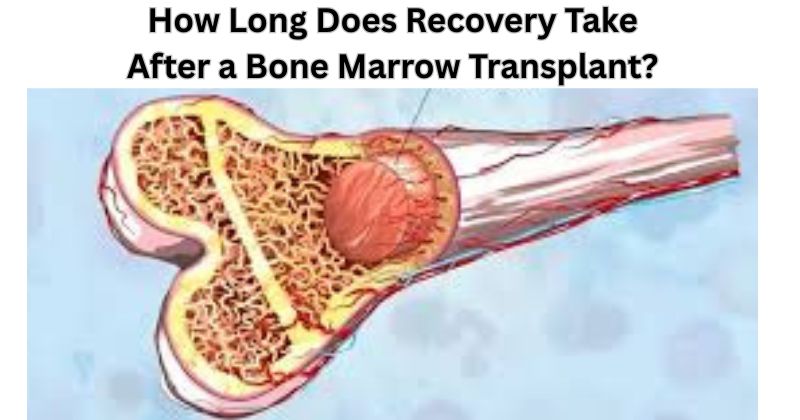
Understanding Bone Marrow Transplant: A Lifesaving Procedure
A bone marrow transplant, also known as a hematopoietic stem cell transplant, is a medical procedure that involves the replacement of damaged or diseased bone marrow with healthy stem cells. This procedure is often used to treat a variety of conditions, including leukemia, lymphoma, and other blood disorders. It is a complex and intensive treatment that requires careful consideration and planning. Understanding the intricacies of this procedure is crucial for patients and their families as they navigate the recovery process. The procedure itself is a beacon of hope for many, offering a potential cure or significant improvement in quality of life for those afflicted by serious blood-related diseases.
The process begins with a thorough evaluation by a medical team to determine the suitability of the patient for the transplant. This involves assessing the patient's overall health, the type of disease being treated, and the availability of a suitable donor if an allogeneic transplant is being considered. The transplant procedure involves several stages, including conditioning, the actual transplant, and post-transplant care, each with its own challenges and requirements. Understanding these stages and their implications is essential for patients and their families to prepare adequately for the journey ahead.
The Journey of Recovery: What to Expect
Recovery after a bone marrow transplant is a multifaceted journey that varies from patient to patient. It is a process that involves both physical and emotional healing. The initial phase of recovery typically occurs in the hospital, where patients are closely monitored for any complications. This period can last several weeks or even months, depending on the individual's condition and response to treatment. During this time, patients may experience side effects such as nausea, fatigue, and increased susceptibility to infections, requiring vigilant medical care and support.
Once discharged, patients enter the next phase of recovery at home. This stage is characterized by a gradual return to normal activities and routines. However, it is important to note that full recovery can take a year or more. During this time, patients may experience fatigue, weakness, and other side effects as their bodies adjust to the new bone marrow. Regular follow-up appointments with healthcare providers are essential to monitor progress and address any concerns that may arise. Emotional support is also crucial during this period, as patients may experience anxiety or depression as they adjust to life post-transplant.
Factors Influencing Recovery Time
The recovery time after a bone marrow transplant is influenced by several factors, including the patient's age, overall health, and the type of transplant received. Autologous transplants, where the patient's own stem cells are used, generally have a shorter recovery time compared to allogeneic transplants, which involve donor cells. Additionally, the presence of any pre-existing conditions or complications during the transplant process can also impact recovery. Younger patients and those in good health prior to the transplant often experience quicker recoveries.
Another critical factor is the patient's adherence to post-transplant care instructions. This includes maintaining a healthy diet, taking prescribed medications, and avoiding exposure to infections. Support from family and friends can also play a significant role in the recovery process, providing emotional and practical assistance as needed. The psychological resilience of the patient, as well as their access to mental health support, can also significantly impact the recovery timeline and overall outcome.
Medical Advancements and Their Impact on Recovery
Advancements in medical technology and treatment protocols have significantly improved the outcomes of bone marrow transplants. Innovations such as reduced-intensity conditioning regimens and improved donor matching techniques have made the procedure safer and more effective. These advancements have contributed to shorter recovery times and higher success rates, offering hope to patients and their families. The development of targeted therapies and personalized treatment plans has also played a crucial role in improving patient outcomes.
Furthermore, ongoing research continues to explore new ways to enhance the recovery process. This includes the development of targeted therapies and personalized treatment plans that cater to the unique needs of each patient. As the field of bone marrow transplantation evolves, patients can expect even better outcomes and improved quality of life. The integration of genetic and molecular profiling in treatment planning holds promise for further advancements, potentially leading to more precise and effective interventions.
Patient Outcomes: Success Stories and Challenges
While many patients experience successful outcomes after a bone marrow transplant, it is important to acknowledge the challenges that may arise during recovery. Complications such as graft-versus-host disease (GVHD), infections, and organ damage can impact the recovery process and overall quality of life. However, with proper medical care and support, many patients are able to overcome these challenges and lead fulfilling lives. The resilience and determination of patients are often key factors in navigating the complex recovery landscape.
Success stories of individuals who have undergone bone marrow transplants serve as a testament to the resilience of the human spirit. These stories provide hope and inspiration to others facing similar challenges, highlighting the importance of perseverance and a positive outlook during recovery. The narratives of those who have successfully navigated the journey of recovery often emphasize the critical role of support systems, medical advancements, and personal determination in achieving positive outcomes.
The Role of Support Systems in Recovery
Support systems play a crucial role in the recovery process after a bone marrow transplant. Family members, friends, and healthcare providers form a network of support that can provide emotional, physical, and practical assistance. This support can help alleviate the stress and anxiety often associated with recovery, allowing patients to focus on healing and regaining their strength. The presence of a strong support system can significantly enhance the recovery experience, providing encouragement and motivation during challenging times.
Support groups and counseling services can also be valuable resources for patients and their families. These services offer a safe space to share experiences, seek advice, and connect with others who understand the challenges of recovery. By fostering a sense of community and belonging, support systems can significantly enhance the recovery journey. The availability of mental health resources and peer support networks can also play a pivotal role in addressing the emotional and psychological aspects of recovery.
Looking Ahead: The Future of Bone Marrow Transplantation
The future of bone marrow transplantation is promising, with ongoing research and technological advancements paving the way for improved outcomes and recovery experiences. Scientists and medical professionals continue to explore innovative approaches to enhance the effectiveness and safety of the procedure. This includes the development of new therapies, improved donor matching techniques, and strategies to minimize complications. The integration of artificial intelligence and machine learning in treatment planning holds potential for further advancements, enabling more personalized and efficient care.
As the field continues to evolve, patients can look forward to a future where bone marrow transplants are not only more accessible but also more successful. With continued dedication to research and patient care, the medical community is committed to improving the lives of those affected by blood disorders and other conditions treatable by bone marrow transplantation. The potential for breakthroughs in gene therapy and regenerative medicine also offers exciting possibilities for the future of bone marrow transplantation.
Conclusion: Embracing the Journey of Recovery
Recovery after a bone marrow transplant is a journey that requires patience, resilience, and support. While the process can be challenging, it is also an opportunity for growth and healing. By understanding the factors that influence recovery, embracing the advancements in medical technology, and leaning on support systems, patients can navigate this journey with confidence and hope. The journey of recovery is not only about overcoming physical challenges but also about finding strength and resilience in the face of adversity.
As we look to the future, the continued progress in bone marrow transplantation offers a beacon of hope for patients and their families. With each step forward, we move closer to a world where recovery is not only possible but also achievable for everyone. The commitment of the medical community to advancing research and improving patient care ensures that the future of bone marrow transplantation is bright, offering new possibilities and hope for those in need.
for more(click here)