


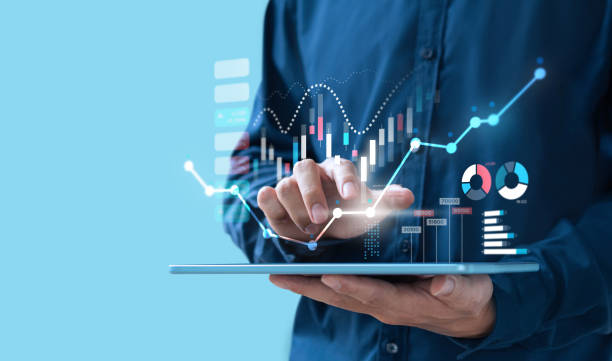
Edge Computing: The Future of Faster and Smarter Data Processing
In today’s digital world, businesses and consumers generate vast amounts of data. Traditional cloud computing processes this data in centralized data centers, often leading to latency issues and network congestion. Edge computing is transforming the way data is processed by bringing computation closer to the source, enabling faster responses and improved efficiency. In this blog, we’ll explore what edge computing is, its benefits, and how industries are leveraging it.
What is Edge Computing?
Edge computing is a distributed computing model that processes data near the source of generation rather than relying on a central cloud server. This means that instead of sending all data to a distant cloud, processing happens on local edge devices such as routers, sensors, IoT devices, or micro data centers.
Key Features of Edge Computing:
How Edge Computing is Transforming Industries
1. Smart Cities & IoT
Edge computing enables real-time data processing for smart traffic lights, security cameras, and waste management systems, making cities more efficient and responsive.
2. Healthcare & Remote Patient Monitoring
Wearable health devices use edge computing to analyze patient data instantly, helping doctors provide timely interventions, even in remote locations.
3. Autonomous Vehicles
Self-driving cars rely on edge computing to process sensor data instantly, making split-second decisions for navigation and safety.
4. Manufacturing & Industrial Automation
Factories use edge computing for predictive maintenance, ensuring that equipment failures are detected before they occur, reducing downtime and costs.
5. Retail & Customer Experience
Retail stores use AI-powered edge solutions for real-time inventory tracking, automated checkouts, and personalized shopping experiences.
Edge Computing vs. Cloud Computing
While cloud computing remains essential, edge computing is enhancing cloud capabilities by offloading tasks that require real-time responses.
Challenges of Edge Computing
Despite its advantages, edge computing faces challenges such as:
However, advancements in AI, 5G, and cloud-edge hybrid models are making edge computing more accessible and secure for businesses.
Conclusion
Edge computing is revolutionizing data processing, enabling businesses to build faster, smarter, and more responsive systems. As more industries adopt edge technology, it will become an essential component of the modern digital infrastructure.
About Hexadecimal Software
Hexadecimal Software is a leading expert in cloud computing, software development, and edge computing solutions. With expertise in DevOps, AI-driven applications, and cloud security, Hexadecimal Software helps businesses integrate edge computing for enhanced performance, security, and scalability.
Explore More on Hexahome Blogs
For the latest insights on real estate trends, finance, and smart technology, visit Hexahome's blog platform. Stay informed with expert content on market innovations and industry developments.


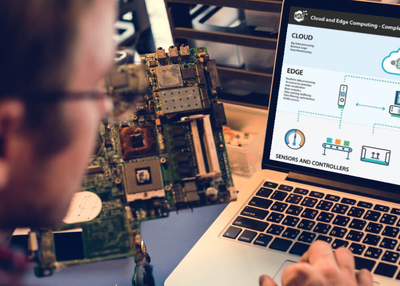
Edge computing is a solution that facilitates data processing at the source of data generation. Integrated with the internet of things that is IoT, the possible sources of data generation are things with the sensors or other embedded devices. Edge computing is a decentralized extension of campus, data center networks or cloud.
With the general forecast of 30 billion IoT devices, the total amount of data stored in the cloud will be difficult to imagine. For improving the performance and reducing the overall operational costs, there has to be a way out. The best solution for handling the data outside is through the cloud or the edge.