


In today’s fast-evolving job market, connecting the right talent with the right employers is more challenging than ever. Traditional job boards often cater to active job seekers—those diligently applying to postings—but they overlook a vast, untapped pool: passive candidates. These are skilled professionals who aren’t actively looking for new roles but are open to opportunities that align with their goals. Passive job boards, a rising trend in recruitment, are revolutionizing this dynamic, bridging the gap between talent and employers with precision and efficiency.
What Are Passive Job Boards?
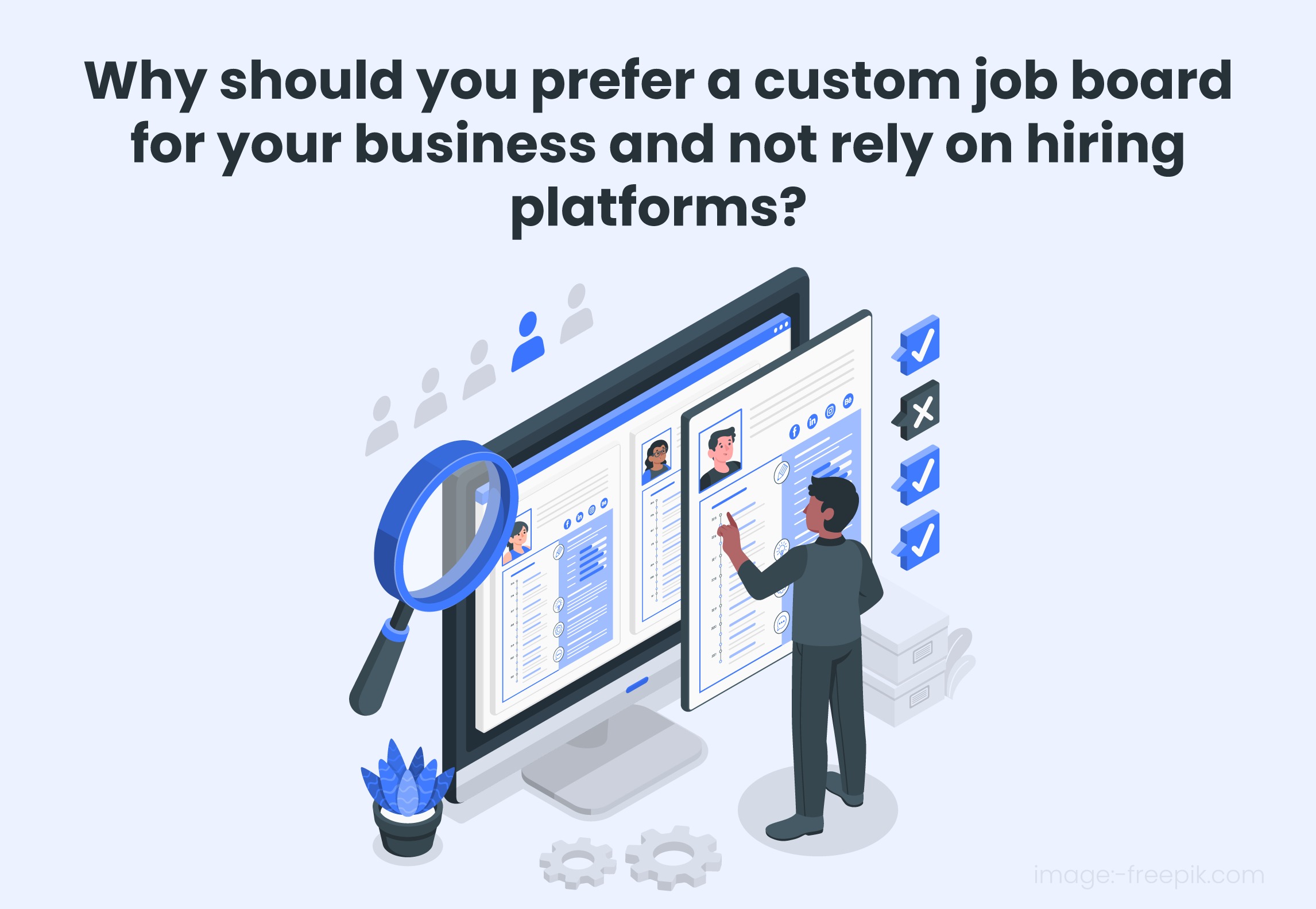
Unlike conventional platforms where job seekers browse and apply, passive job boards flip the script. They focus on showcasing talent to employers, allowing professionals to create profiles that highlight their skills, experience, and preferences—without requiring an active job search. Employers, in turn, proactively search these boards to find and recruit candidates who match their needs. This model thrives on a database-driven approach, often enhanced by AI tools that match talent with opportunities seamlessly.
Closing the Talent-Employer Divide
The traditional hiring process can be a disconnect. Employers post listings and hope the right candidates apply, while skilled workers miss out on roles they’d excel in simply because they’re not searching. Passive job boards eliminate this friction by putting talent front and center. For instance, a software developer content in their current role might still signal openness to remote work or a higher salary. Employers seeking that exact profile can reach out directly, fostering connections that might never have happened otherwise.
This approach benefits both sides. Employers gain access to a broader talent pool—including top performers who rarely browse job listings—while professionals enjoy a low-effort way to explore career advancements. It’s a win-win that transforms recruitment from a reactive chase into a proactive partnership.
The Role of Technology
Passive job boards owe their success to smart technology. Advanced algorithms analyze candidate profiles and employer requirements, delivering precise matches based on skills, location, and even cultural fit. Features like anonymized profiles protect privacy, encouraging more professionals to participate. Meanwhile, employers can filter candidates by niche expertise—say, cybersecurity or graphic design—ensuring they find talent tailored to their needs. This tech-driven efficiency reduces hiring timelines and boosts satisfaction on both ends.
Why It Matters Now
The demand for passive job boards is surging as remote work and specialized roles reshape the workforce. Companies are competing fiercely for talent, and passive candidates often represent the cream of the crop—experienced, selective, and employed. For employers, these platforms offer a competitive edge, while professionals gain visibility without the hassle of endless applications. In a market where 73% of candidates are passive (per LinkedIn data), ignoring this group is no longer an option.
The Future of Recruitment
Passive job boards are more than a trend—they’re a bridge to a smarter hiring ecosystem. By empowering employers to seek out talent and giving professionals control over their visibility, they create a dynamic, mutually beneficial marketplace. For businesses and developers eyeing this space, the opportunity is clear: build a passive job board solution that leverages cutting-edge tech and watch it redefine how talent meets opportunity. The gap is closing—be the one to bridge it.