


Industrial downtime is one of the biggest challenges faced by manufacturing and production facilities. Equipment failures, supply chain disruptions, and operational inefficiencies can result in costly delays. As industries move toward automation and smart technology, Conversational AI is emerging as a key solution to minimize downtime, improve efficiency, and enhance overall productivity. Understanding Conversational AI in Industrial Operations Conversational AI refers to AI-driven chatbots and voice assistants that can communicate in natural language, assisting with decision-making, troubleshooting, and operational management. Unlike traditional automation systems, conversational AI integrates with IoT sensors, predictive maintenance tools, and industrial management software, making it a game-changer for reducing downtime in industrial settings. How Conversational AI Reduces Downtime 1. Predictive Maintenance and Real-Time Monitoring One of the primary causes of downtime is equipment failure. Conversational AI, combined with IoT-enabled predictive maintenance, helps monitor machine performance in real-time. AI-powered assistants can analyze sensor data and notify technicians about potential issues before they lead to system breakdowns. For example, if a factory’s conveyor belt motor shows signs of overheating, an AI assistant can instantly alert maintenance teams, recommend troubleshooting steps, and prevent unexpected failures. 2. Faster Issue Resolution Through AI Assistants Traditionally, industrial maintenance teams rely on manual inspections or complex software interfaces to diagnose issues. Conversational AI simplifies troubleshooting by allowing technicians to interact with AI-powered assistants that provide step-by-step guidance, reference manuals, and real-time diagnostics. For instance, instead of searching through an extensive database, a technician can ask an AI chatbot: "Why is machine X showing an error code?" The AI can then retrieve relevant data, suggest fixes, and even escalate the issue if necessary. 3. Reducing Human Error in Operations Human error in industrial environments can lead to delays, equipment damage, and safety risks. Conversational AI helps mitigate this by providing real-time guidance, reminders, and standard operating procedures (SOPs). AI-driven virtual assistants can ensure that workers follow correct procedures, reducing the risk of operational mishaps. For example, during a complex machine calibration, an AI assistant can provide voice-guided instructions and verify each step before moving forward. 4. Enhancing Supply Chain Coordination Downtime isn’t just about machines; supply chain disruptions can halt production lines. Conversational AI helps in inventory management, supplier communication, and logistics tracking, ensuring that essential materials arrive on time. AI-powered assistants can provide instant updates on stock levels, send automated purchase requests, and predict potential supply chain bottlenecks. This proactive approach ensures continuous production flow. 5. Optimizing Workforce Productivity Conversational AI reduces the burden on human operators by automating repetitive tasks such as data entry, reporting, and compliance checks. This allows workers to focus on high-value tasks, improving productivity and efficiency. For example, instead of manually logging machine readings, workers can use voice-enabled AI assistants that automatically update reports in the system. Conclusion Conversational AI is not just a futuristic concept; it is actively transforming industrial operations by reducing downtime, improving efficiency, and ensuring seamless workflows. From predictive maintenance to real-time troubleshooting and supply chain optimization, AI-powered solutions are revolutionizing industrial facilities. As industries continue to embrace AI-driven automation, integrating conversational AI into industrial processes will be essential for minimizing downtime, enhancing productivity, and maintaining a competitive edge in the evolving industrial landscape.

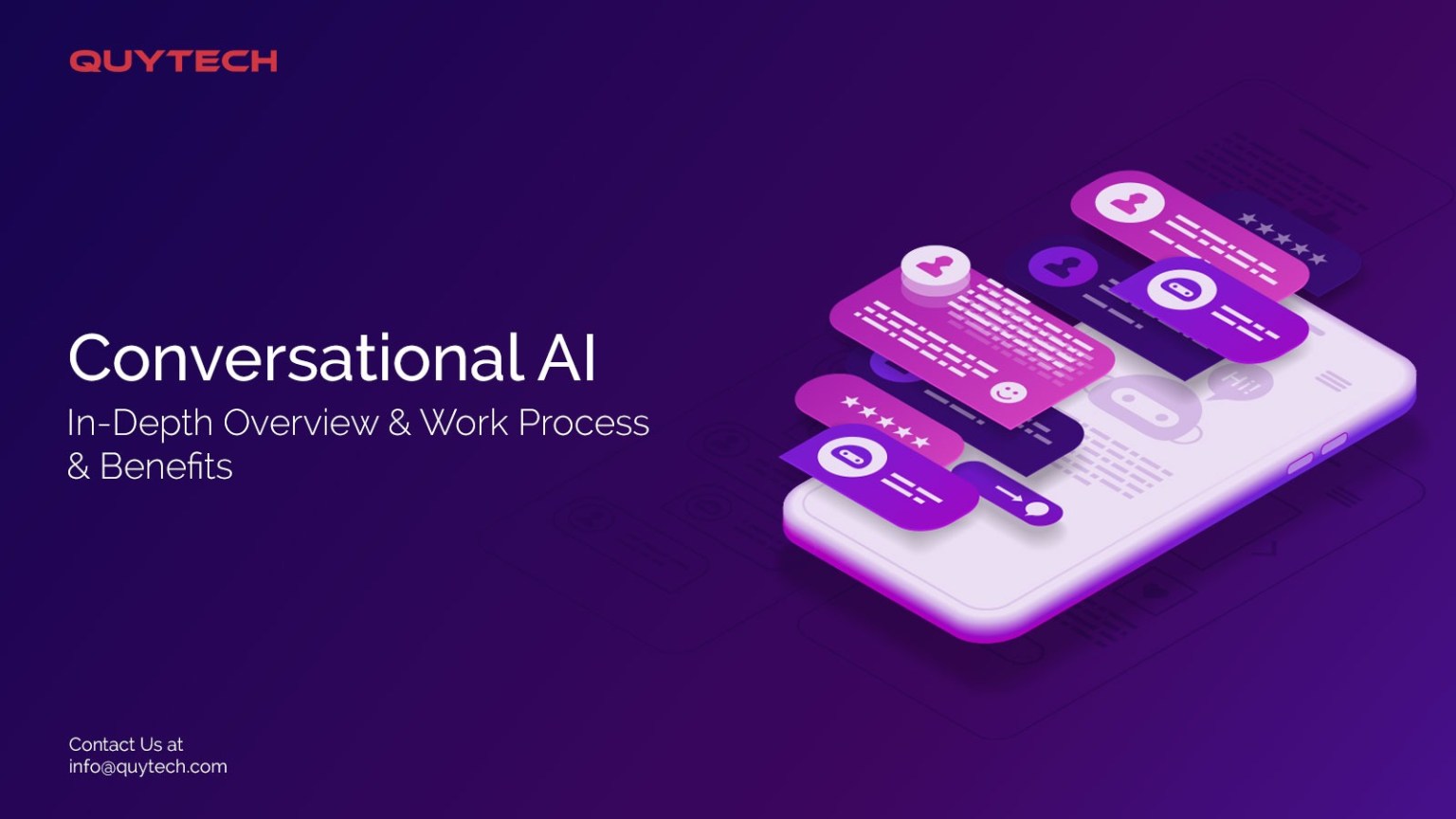
Conversational AI is a specific kind of artificial intelligence that makes software interact and converse with users in a highly intuitive way.
It uses natural language processing (NLP) to understand and interact in human language.The conversational AI, when integrated into chatbots, messengers, and voice assistants, enables businesses to deliver personalized customer experience and achieve 100% customer satisfaction.
Google Home and Amazon Echo are the two popular examples of it.