





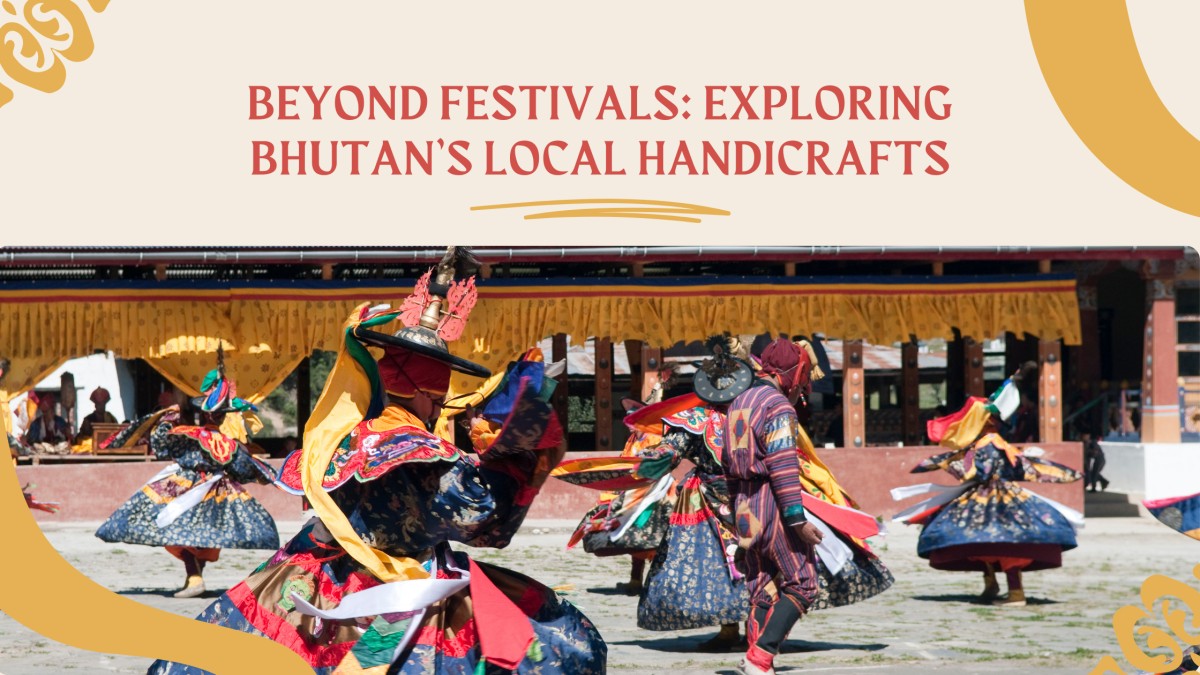
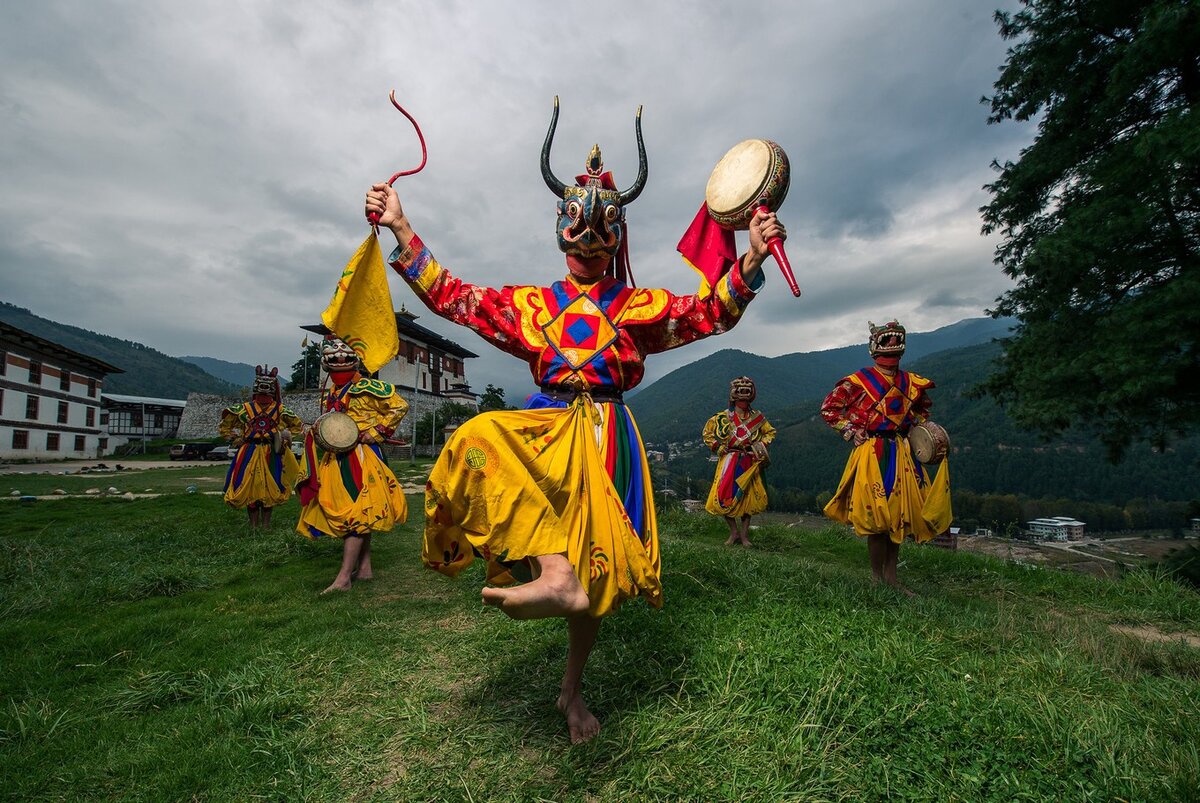
When we think of Bhutan, the first things that come to mind are its vibrant festivals, breathtaking landscapes, and Buddhist monasteries. But beyond these, Bhutan has a lesser-known yet deeply rich tradition of handicrafts. Whether you’re a culture enthusiast or a traveler looking for unique souvenirs, a Bhutanese crafts tour is a must. These traditional crafts are more than just decorative items; they reflect Bhutan’s heritage, spirituality, and craftsmanship.
If you’re planning a trip, Bhutanese handicrafts make for perfect handmade souvenirs from Bhutan. From intricate wood carvings to silk weaving and metalwork, let’s take a closer look at what makes Bhutan’s local crafts truly special.
The Role of Handicrafts in Bhutanese Culture
Bhutan’s handicrafts are deeply connected to its cultural identity and economy. The Bhutanese government actively promotes local crafts to preserve their unique traditions. The Handicrafts Association of Bhutan ensures that artisans get fair trade opportunities, allowing visitors to support authentic craftsmanship while traveling.
According to Bhutan’s National Statistics Bureau, the country’s handicraft sector contributes about 5% to its GDP. With tourism booming, the demand for authentic Bhutanese crafts is rising, making it an essential part of Bhutan’s sustainable tourism strategy.
Popular Traditional Handicrafts of Bhutan
1. Textiles and Weaving: The Art of Thagzo
One of the most famous Bhutanese handicrafts is textile weaving, also known as Thagzo. Bhutanese women, especially in regions like Lhuentse and Bumthang, have mastered this craft over centuries. The most famous woven textiles include:
Gho and Kira – Traditional Bhutanese attire for men and women
Rachu – Elegant scarves worn by women
Yathra – Woolen fabric made in Bumthang, used for blankets and jackets
According to the Bhutan Textile Museum, over 70% of Bhutanese women are skilled in weaving, making it one of the most widespread traditional arts.
2. Woodwork: The Craft of Shagzo
Bhutanese woodcraft, or Shagzo, is another impressive art form. Skilled artisans create intricately designed furniture, altars, bowls (Dappa), and window frames that adorn homes and monasteries across Bhutan.
The Trashiyangtse region is particularly famous for wooden bowls and containers. Unlike factory-made products, these handcrafted wooden items are made from high-quality Himalayan wood, ensuring durability and authenticity.
3. Painting: The Sacred Art of Lhazo
If you’ve visited any dzong or monastery in Bhutan, you’ve likely seen vibrant murals and thangka paintings. This art form, known as Lhazo, plays a crucial role in Bhutanese spirituality.
Some common painting themes include:
Mandalas – Symbolic representations of the universe
Buddhist Deities – Portraits of Guru Rinpoche and other figures
Religious Symbols – The Eight Auspicious Signs
The best place to buy authentic thangka paintings is the National Institute for Zorig Chusum in Thimphu.
4. Metalwork: The Ancient Skill of Parzo
Bhutan’s metalwork, known as Parzo, is used to craft ritual objects, knives, bells, and traditional swords. Artisans primarily work with bronze, silver, and copper to create exquisite pieces that are highly valued across Bhutan and beyond.
Some of the most sought-after metal crafts include:
Singing Bowls – Used for meditation and healing
Prayer Wheels – Essential religious artifacts
Bhutanese Swords (Patang) – Symbol of power and tradition
Thimphu and Trongsa are the best places to witness metal artisans at work.
5. Paper Making: The Tradition of Dezo
Handmade Bhutanese paper, or Desho, is an eco-friendly craft made from the bark of the Daphne plant. It is widely used for religious scriptures, traditional books, and decorative stationery.
A fun fact: Bhutan’s paper-making tradition dates back over 1,200 years, and it remains an essential craft in monasteries and homes.
6. Jewelry and Ornaments: Bhutanese Gold and Silver Craftsmanship
Bhutanese jewelry is known for its intricate designs and spiritual significance. Gold and silver artisans create bracelets, rings, and brooches that often feature sacred motifs.
Some of the best places to shop for Bhutanese jewelry include:
Thimphu Craft Market
Paro’s Artisan Shops
Punakha’s Local Jewelry Workshops
Best Places to Explore and Buy Local Handicrafts in Bhutan
If you’re planning to bring home some handmade souvenirs from Bhutan, here are the top markets and craft centers:
Thimphu Craft Bazaar – Best for textiles and paintings
Bumthang Weaving Center – Home to Bhutan’s finest woven fabrics
Trashiyangtse Craft Market – Ideal for wooden and bamboo crafts
Paro Handicraft Shops – A mix of textiles, jewelry, and souvenirs
Bhutan’s Handicraft Industry and Sustainable Tourism
With increasing global demand for ethical and sustainable shopping, Bhutan’s handicraft industry is a great example of eco-friendly tourism. Many bhutan tours and travels now offer dedicated Bhutanese crafts tours, where visitors can:
Visit traditional workshops
Learn about artisan techniques
Purchase authentic products directly from craftsmen
How to Bring Bhutanese Handicrafts to India
Many Indian travelers wonder about the best way to bring home these beautiful items. Here are some tips:
Import Restrictions – No major restrictions, but avoid items made from endangered species (like ivory).
Shipping Advice – Opt for reliable shipping services for fragile items like Thangka paintings and woodwork.
Customs Duty – Small handicrafts usually don’t attract heavy duties, but silver and gold jewelry may have import charges.
Conclusion
Bhutan’s handicrafts are more than just decorative items; they are a reflection of its deep-rooted traditions, artistic excellence, and cultural heritage. Whether you’re shopping for a handwoven textile, a wooden masterpiece, or a sacred painting, Bhutan offers something unique for every traveler.
So, next time you visit, don’t just enjoy the festivals—immerse yourself in a Bhutanese crafts tour and take home a piece of Bhutan’s soul with best bhutan tour packages!
Planning your Bhutan trip? Connect with top-rated Bhutan tour operators to experience the country’s rich cultural legacy!

Handicrafts Market report published by Value Market Research, which studies the future outlook of the market.
It includes the size, share, growth, trends, key players, segments and regional analysis in detail during the study year 2020-2027.The research report also covers the comprehensive profiles of the key players in the market and an in-depth view of the competitive landscape worldwide.
The major players in the handicrafts market include Asian Handicraft, Fakih Group of Companies, Shandong Laizhou Arts and Crafts, Ten Thousand Villages, Oriental Handicrafts Pte.
Ltd., NGOC Dong Ha Nam, Minhou Minxing Weaving Co. Ltd., Native Crafts and Arts Industries.
This section consists of a holistic view of the competitive landscape that includes various strategic developments such as key mergers & acquisitions, future capacities, partnerships, financial overviews, collaborations, new product developments, new product launches, and other developments.Get more information on "Global Handicrafts Market Research Report" by requesting FREE Sample Copy at https://www.valuemarketresearch.com/contact/handicrafts-market/download-sampleMarket DynamicsThe key factors contributing to the growth of the handicrafts market are comparatively low investment, low energy requirements, easy availability of handcrafted products through e-commerce portals, and the growing travel and tourism industry in developing countries.
Other factors that positively impact the handicraft market are increasing disposable income, increasing demand for such items in hotels, workplaces, and hospitals, and the gradual shift towards contemporary designs from ethnic ones.