


Navigating your tax obligations can be challenging, especially when you’re unable to pay your full balance by the due date. Fortunately, the IRS offers payment plans that allow you to spread your tax debt over time. In 2025, there have been a few updates to these payment plans that every taxpayer should be aware of. Whether you're an individual filer or a small business owner, understanding these changes could help you avoid penalties and better manage your finances. This article breaks down the types of IRS payment plans available in 2025, what has changed, and how you can determine which option best fits your financial situation.
Types of IRS Payment Plans
The IRS currently offers two primary types of payment plans: short-term and long-term.
Short-Term Payment Plans
Short-term plans are for taxpayers who can pay their full tax balance within 180 days. These plans are available to individuals who owe less than $100,000 in combined tax, penalties, and interest. No setup fee is charged for a short-term plan, though penalties and interest continue to accrue until the balance is paid.
Long-Term Payment Plans (Installment Agreements)
Long-term plans, also known as installment agreements, are designed for taxpayers who need more time—beyond 180 days—to pay their tax debt. To qualify for a streamlined installment agreement, individuals must owe $50,000 or less and must be current on all tax filings. These agreements can be paid monthly over a period of up to 72 months, though longer terms may be available depending on your specific circumstances.
What’s Changed in 2025?
The IRS has made a few notable changes for the 2025 tax year to expand access and flexibility for taxpayers:
Expanded Eligibility
Taxpayers with balances under $50,000 are now eligible for more flexible terms under streamlined installment agreements. In many cases, you no longer need to submit detailed financial statements if your proposed monthly payment can pay off the balance within six years. This reduces paperwork and speeds up approval.
Interest Rates
The interest rate on unpaid taxes remains high, currently at 7% annually, compounded daily. This underscores the importance of addressing your tax balance sooner rather than later. Even with a payment plan in place, interest continues to accrue until your balance is paid in full.
Payment Methods
The IRS is encouraging more taxpayers to use direct debit to make monthly payments. Not only does this method reduce the risk of missed payments, but it also qualifies you for a reduced setup fee compared to other methods such as check or money order.
Factors to Consider Before Applying
Before you apply for a payment plan, there are a few key things to keep in mind: Filing Compliance: You must have filed all required tax returns before the IRS will consider your application. Setup Fees: While short-term plans don’t have a setup fee, long-term plans do. The fee may be lower if you apply online and agree to pay via direct debit. Penalties and Interest: Both continue to accrue on unpaid balances even when a payment plan is active. Timeliness: If you can’t pay your full balance by the tax deadline, it’s still crucial to file your return on time to avoid additional failure-to-file penalties.
Choosing the Right Plan
If you expect to be able to pay your debt quickly, a short-term plan may be your best option. However, if your financial situation requires a longer repayment period, a long-term IRS installment agreement could be the way to go. For larger debts or more complex financial situations, it may be worth consulting a tax professional to ensure you're choosing the most beneficial strategy.
Need Help with an IRS Payment Plan?
Understanding the ins and outs of IRS payment plans can be tricky, especially with updates happening year to year. If you’re unsure which option is best for you or how to apply, Tax Law Advisory is here to help. Our experienced team works directly with the IRS on your behalf to set up manageable, compliant payment plans that fit your financial situation.
.




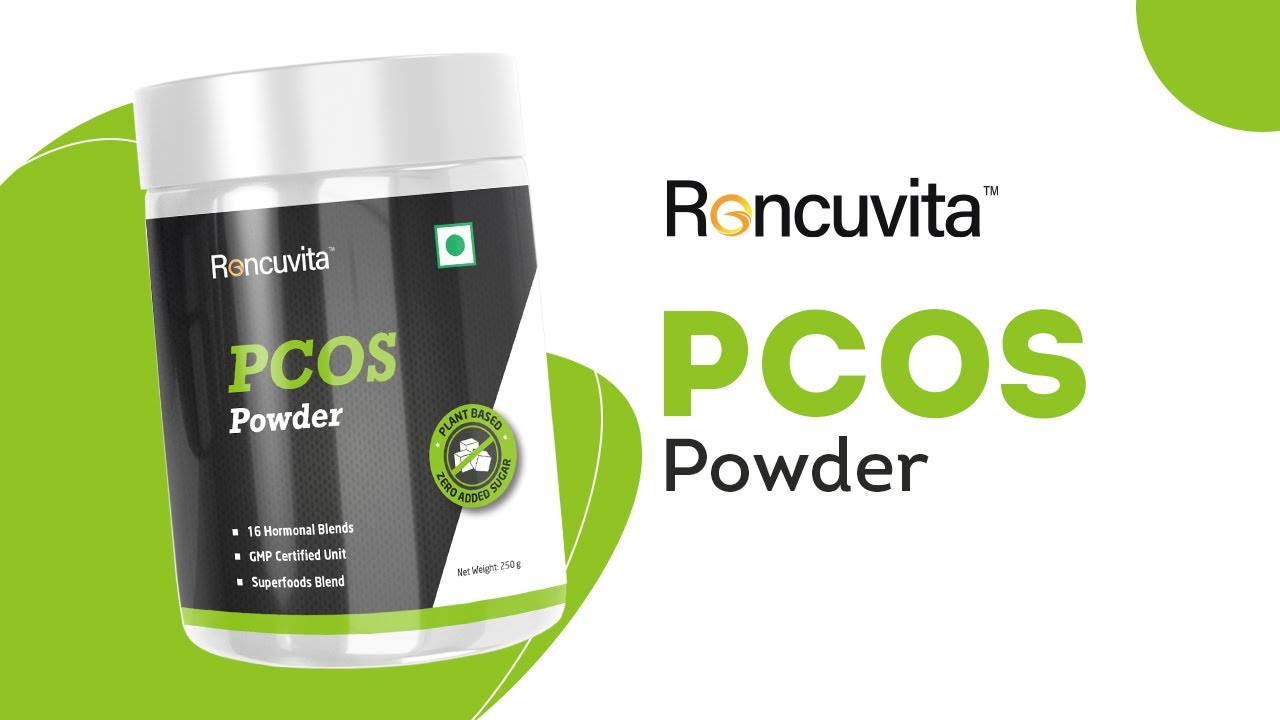
While Polycystic Ovary Disorder (PCOS) is really normal, there are some significant things that ladies need to think about it.
The best thing to do is to be as educated as possible become genuine.