


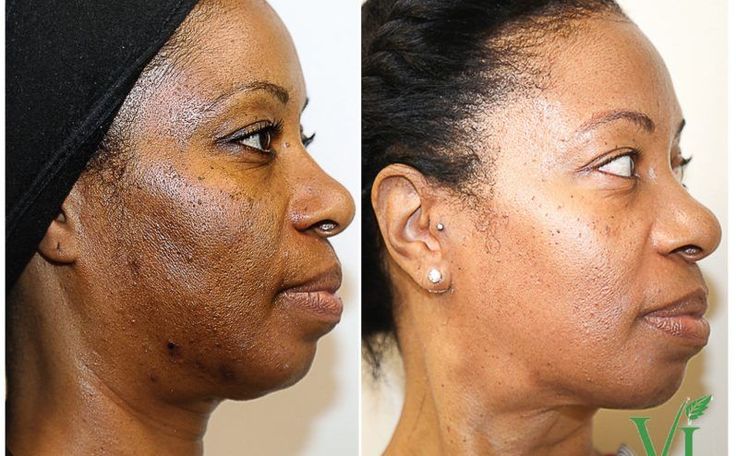
Understanding Hydroquinone: The Skin-Lightening Compound
Hydroquinone is a chemical compound that has been widely used in dermatology and skincare for decades. This powerful ingredient works by inhibiting the production of melanin, the pigment responsible for skin color, dark spots, and hyperpigmentation. Known scientifically as 1,4-dihydroxybenzene, hydroquinone has established itself as one of the most effective treatments for various skin pigmentation concerns, including melasma, age spots, and post-inflammatory hyperpigmentation.
The Science Behind Melanin Inhibition
The mechanism through which Hydroquinone works is fascinating and complex. When applied topically, it interrupts the melanin production process by inhibiting the enzyme tyrosinase, which is crucial for melanin synthesis. This interference occurs at the cellular level, where hydroquinone prevents melanocytes (melanin-producing cells) from creating new pigment. Additionally, it may also destroy existing melanin-containing cells, leading to a gradual lightening of darkened areas over time.
Historical Context and Regulatory Evolution
Hydroquinone's journey in the skincare industry spans several decades. Initially available over-the-counter in concentrations up to 2%, regulatory bodies worldwide have revised their stance on its accessibility due to safety concerns. In some countries, it's now available only through prescription, typically in concentrations ranging from 2% to 4%. The European Union banned its use in cosmetic products in 2001, while other regions maintain strict regulations on its concentration and availability.
Safety Considerations and Potential Side Effects
Like many powerful skincare ingredients, hydroquinone comes with its share of considerations. Common side effects may include mild irritation, redness, and dryness, particularly during initial use. More serious concerns have been raised about prolonged use, including ochronosis - a condition causing blue-black pigmentation. This has led to recommendations for cyclical rather than continuous use, typically limiting treatment periods to 3-4 months followed by breaks.
Studies have shown that when used as directed under medical supervision, hydroquinone remains one of the safest and most effective treatments for hyperpigmentation. However, the importance of proper usage cannot be overstated, as misuse can lead to adverse effects.
Clinical Applications and Treatment Protocols
Medical professionals typically prescribe hydroquinone as part of a comprehensive skincare regimen. The standard protocol often includes: - Initial application of lower concentrations (2-4%) - Gradual increase in frequency of application - Concurrent use of sun protection - Regular monitoring of skin response - Implementation of treatment breaks
Treatment duration varies depending on the condition being addressed, with most protocols ranging from 8-12 weeks. Results typically become visible within 4-6 weeks of consistent use.
Alternative Formulations and Combinations
Modern dermatology has evolved to incorporate hydroquinone into various formulation combinations, enhancing its efficacy while minimizing potential side effects. Common combinations include: - Tretinoin for enhanced penetration and efficacy - Corticosteroids to reduce irritation - Kojic acid for synergistic lightening effects - Antioxidants for additional skin benefits
These combinations have shown improved results in clinical studies, particularly for resistant cases of hyperpigmentation.
Future Perspectives and Research Developments
Current research continues to explore new applications and formulations of hydroquinone. Scientists are investigating modified delivery systems to enhance efficacy while reducing side effects. Additionally, studies are ongoing regarding the development of alternative compounds that might offer similar benefits with improved safety profiles.
Market Impact and Industry Trends
The global market for skin-lightening products, including hydroquinone-based treatments, continues to grow. Industry analysts project significant expansion in this sector, driven by increasing awareness of skin conditions and growing demand for treatment options. However, regulatory changes and shifting consumer preferences toward natural alternatives are reshaping the market landscape.
Environmental and Ethical Considerations
Beyond its medical applications, hydroquinone has raised environmental concerns. Its production and disposal can impact ecological systems, leading to increased interest in sustainable manufacturing processes. Additionally, the ethical implications of skin lightening in different cultural contexts have sparked important discussions about beauty standards and their societal impact.
Best Practices for Professional Use
Healthcare providers and skincare professionals emphasize several key aspects when prescribing hydroquinone: - Thorough patient screening for suitable candidates - Detailed instructions for application and usage - Regular monitoring of treatment progress - Education about sun protection and complementary skincare - Clear communication about expected results and potential side effects
Get this Report in Japanese Language: ハイドロキノン
Get this Report in Korean Language: 하이드로퀴논
About Author:
Money Singh is a seasoned content writer with over four years of experience in the market research sector. Her expertise spans various industries, including food and beverages, biotechnology, chemical and materials, defense and aerospace, consumer goods, etc. (https://www.linkedin.com/in/money-singh-590844163)

Everything you need to know about the canon.comijsetup, Then no look further, visit the Com IJ Printer website and resolve your Canon IJ setup issues online.
We provide you a safe, secure, and reliable platform for downloading the driver with the latest updates of the Canon software.

OCT 09 2020: The global Precast Concrete market size is expected to reach USD 145.91 billion by 2027, according to a new report published by Grand View Research, Inc.
Rising consumer demand for high-quality products are projected to open up growth avenues for the new market entrants during the forecast period.To Request A Sample Copy Of This Report @: https://www.radiantinsights.com/research/precast-concrete-market/request-sampleAsia Pacific is anticipated to remain the key regional market for precast concrete, due to the significant economic growth of the region.
In addition, the presence of huge construction industry in China and India is anticipated to provide a large market for precast concrete products.Manufacturers focusing on producing quality precast products to meet rising consumer demand for precast concrete.
High competition in the residential and nonresidential construction sector has compelled market players to implement superior and low maintenance yet cost-effective solutions to gain a competitive edge.Further key findings from the report suggest:Structural building components has emerged as the largest product segment and accounted for 36.3% of the market revenue share in 2019, on account of its rising use in affordable housing projects Infrastructure is expected to witness the fastest CAGR of 6.9% over the forecast period, owing to increase in spending by various governments for development of public infrastructureAsia Pacific accounted for the largest market share in 2019 and is expected to reach USD 67.0 billion by 2027, owing to factors such as rapid urbanization, industrialization, and rising infrastructural developmentHighly developed economy, growing construction spending combined with highly skilled workforce and growing R initiatives to encourage innovative products are the factors expected to aid the product demand in U.S reaching USD 16.12 billion in 2019Precast concrete market key players are focusing on expanding their business in emerging economies in Asia Pacific to increase their footprint in high potential marketsTo Browse Full Research Report @: https://www.radiantinsights.com/research/precast-concrete-marketTable of ContentsChapter 1.
Precast Concrete Market - Value Chain Analysis3.4.
Indonesia Precast Concrete Market - Market Dynamics3.6.1.

As a specialist mortgage advisor, Mortgage Thoughts gets asked lots of questions about bad credit mortgage lenders.
These are the 10 most common.