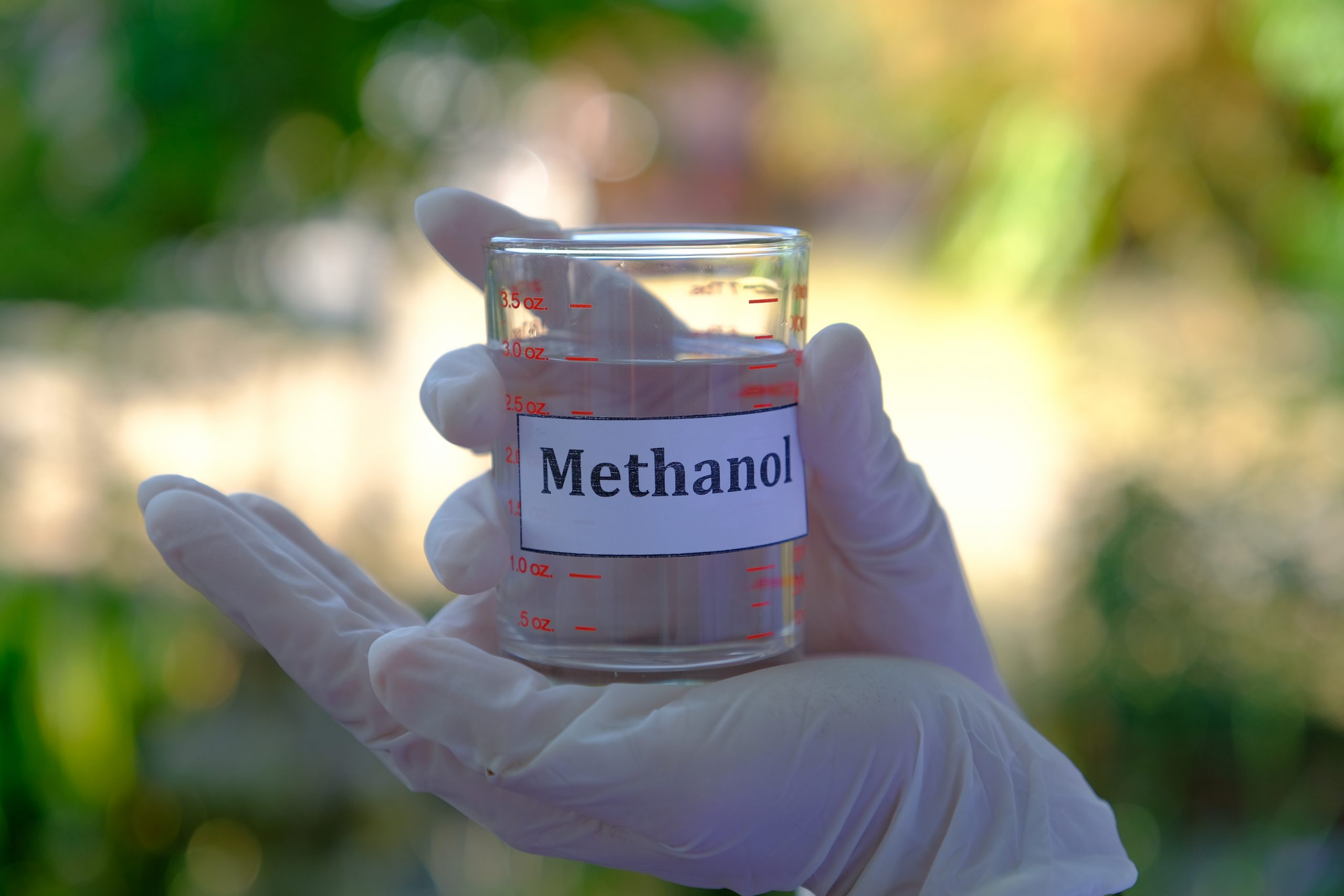
Methanol, also known as methyl alcohol, has emerged as a crucial component in various industrial applications, energy solutions, and chemical manufacturing processes. This colorless, volatile liquid plays a pivotal role in shaping multiple sectors of the global economy, from automotive fuel alternatives to pharmaceutical production.
Historical Background and Discovery
The history of Methanol dates back to ancient times when it was first discovered as a component of wood alcohol. In 1661, Robert Boyle identified methanol through the distillation of boxwood, leading to its initial classification as "wood spirits." The modern industrial production of methanol began in the early 20th century, revolutionizing the chemical industry. German chemists Alwin Mittasch and Mathias Pier developed the first high-pressure synthesis of methanol in 1923, laying the foundation for today's commercial production methods.
Chemical Properties and Production Methods
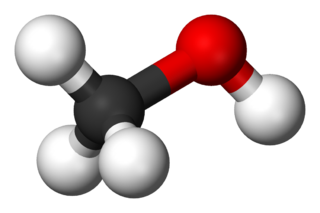
Methanol (CH3OH) is the simplest alcohol, consisting of one carbon atom bonded to three hydrogen atoms and one hydroxyl group. Its production primarily involves the catalytic conversion of synthesis gas (a mixture of carbon monoxide and hydrogen) derived from natural gas or coal. Modern manufacturing facilities employ sophisticated processes operating at high temperatures and pressures, typically using copper-based catalysts to optimize yield and efficiency.
The production process involves several stages, beginning with the reformation of natural gas to create synthesis gas, followed by compression and catalytic conversion. Advanced technology and process control systems ensure consistent quality and environmental compliance throughout the manufacturing cycle.
Industrial Applications and Market Significance
The versatility of methanol has established it as a fundamental building block in numerous industrial processes. It serves as a primary feedstock for producing formaldehyde, acetic acid, and various other chemicals essential in manufacturing plastics, resins, and synthetic fibers. The automotive industry increasingly recognizes methanol's potential as an alternative fuel source, particularly in regions focusing on reducing carbon emissions.
In the energy sector, methanol plays a crucial role in developing cleaner fuel alternatives. Many countries are exploring methanol-based fuel cells and blending programs to reduce dependency on conventional fossil fuels. The chemical's potential in hydrogen storage and transport has also garnered attention in the renewable energy landscape.
Environmental Impact and Sustainability Considerations
As industries worldwide shift towards more sustainable practices, methanol's role in environmental protection has become increasingly significant. When produced from renewable sources such as biomass or captured carbon dioxide, it can contribute to reducing greenhouse gas emissions. This "green methanol" represents a growing segment of the market, particularly in regions with strict environmental regulations.
However, conventional methanol production still relies heavily on fossil fuels, presenting environmental challenges that the industry must address. Ongoing research focuses on developing more sustainable production methods and improving energy efficiency in manufacturing processes.
Global Market Trends and Economic Impact
The global methanol market continues to expand, driven by increasing demand from emerging economies and new applications in various industries. China remains the largest producer and consumer of methanol, significantly influencing global market dynamics. The Asia-Pacific region leads in consumption, followed by North America and Europe.
Market analysts project steady growth in the methanol industry, with new investments in production facilities and infrastructure development. The chemical's role in the transition to cleaner energy solutions has attracted significant investment in research and development, particularly in renewable methanol production technologies.
Safety and Handling Considerations
Methanol's toxicity and flammability require strict safety protocols in handling and storage. Industrial facilities must implement comprehensive safety measures, including proper ventilation systems, personal protective equipment, and emergency response procedures. Training programs for workers handling methanol are essential to prevent accidents and ensure workplace safety.
The transportation of methanol also demands specialized equipment and safety protocols to minimize risks during transit. International regulations govern the storage, handling, and shipping of methanol to protect workers and the environment.
Future Prospects and Technological Innovations
The methanol industry continues to evolve with technological advancements and changing market demands. Research institutions and companies are exploring novel production methods, including carbon capture and utilization technologies to produce methanol from atmospheric CO2. These innovations could revolutionize the industry's environmental impact and economic efficiency.
The development of methanol-based fuel cells and other alternative energy applications represents a promising growth area. As countries implement stricter emissions regulations, methanol's role in the clean energy transition is expected to expand significantly.
Regulatory Framework and Policy Implications
Governments worldwide have implemented various regulations affecting methanol production, transportation, and use. These policies often focus on environmental protection, worker safety, and quality standards. The industry must navigate complex regulatory requirements while maintaining operational efficiency and market competitiveness.
Get this Report in Japanese Language: メタノール
Get this Report in Korean Language: 메탄올
About Author:
Money Singh is a seasoned content writer with over four years of experience in the market research sector. Her expertise spans various industries, including food and beverages, biotechnology, chemical and materials, defense and aerospace, consumer goods, etc. (https://www.linkedin.com/in/money-singh-590844163)

The global Methanol Market is estimated to reach USD 100.3 billion by 2024, primarily driven by its widespread of applications in adhesives, paints, and plastics.
Asia Pacific is the fastest growing market in terms of volume, growing at a CAGR of 8.6% and is expected to maintain its dominance over the forecast period.The rise in demand for petrochemicals and the advancement of new industrial segments are projected to offer new opportunities for the methanol market during the forecast period.
In Asia Pacific region, China is the largest and the fastest growing market and is expected to show the same trend over the forecast period due to the abundance of coal and natural gas available in China.The growth of methanol market is mainly due to the rise in demand for clean burning fuel and fuel substitutes such as biodiesel.
Additionally, increase in R activities for the usage of methanol as an alternative to gasoline products for vehicles is projected to drive the demand for methanol.Browse Details of Report @ https://www.hexaresearch.com/research-report/methanol-marketMethanol by-products like formaldehyde, acetic acid, DME, gasoline is utilized in several industrial applications such as construction & building, production of petrochemicals, pharmaceuticals, synthesis of chemicals and in the automotive sector.
Formaldehyde dominated the global market contributing to USD 6.2 billion in 2016.
Formaldehyde is used to produce wood products such as plywood and adhesives.The high demand for formaldehyde is owing to its high purity, low cost, and the abundant use of formaldehyde in various chemical reactions.