The India precipitated silica market has witnessed significant growth in recent years, driven by a surge in demand across a variety of industrial sectors. As per the latest projections from Persistence Market Research, the market size for precipitated silica in India is expected to rise from US$ 83 million in 2025 to an impressive US$ 165.9 million by 2032, marking a robust Compound Annual Growth Rate (CAGR) of 10.4% from 2025 to 2032. This growth trend signals not only a stronger domestic industry but also an expanding presence of India in the global market for precipitated silica. In this blog, we will explore the factors behind this growth, the market dynamics, the applications of precipitated silica, and its future prospects.
Understanding Precipitated Silica and Its Applications
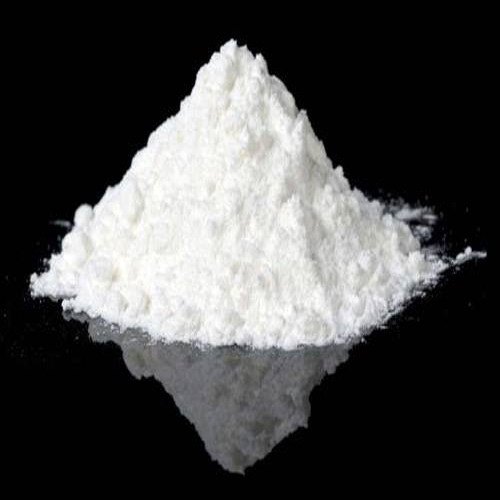
Precipitated silica is a highly versatile and effective material that is derived from silica, primarily used in various industries due to its unique physical and chemical properties. It is a white, fine powder that is commonly used as a reinforcing agent in rubber, as a desiccant, and as a flow agent in various products.
The material is produced through a chemical precipitation process where sodium silicate (water glass) is reacted with an acid. The resultant precipitated silica is then filtered, washed, and dried to produce a fine powder. Precipitated silica is preferred in many applications due to its high surface area, excellent dispersibility, and low abrasiveness, which make it ideal for applications where these properties are crucial.
Some of the primary industries that utilize precipitated silica include:
Factors Driving Growth in the Indian Market
The growth of the India precipitated silica market can be attributed to several key factors, including increasing industrial demand, technological advancements, and the country's growing manufacturing capabilities. Let's break down some of these driving forces:
1. Rise in Domestic Manufacturing Output
India's industrial output has been on the rise in recent years, particularly in sectors like automotive manufacturing, rubber production, and consumer goods. The tire industry, in particular, has seen a remarkable boost, both due to the growing automotive market and increased export demands for high-quality tires. Precipitated silica plays a critical role in tire production by improving their fuel efficiency, durability, and overall performance. As India's automotive sector expands, the demand for high-quality tires will increase, further fueling the demand for precipitated silica.
Furthermore, the Indian government’s initiatives to boost the manufacturing sector under the "Make in India" program have helped foster a favorable environment for the growth of key industries that use precipitated silica. This domestic manufacturing boost has consequently led to a rise in the domestic output of precipitated silica, making it one of the fastest-growing markets in the region.
2. Technological Advancements in Precipitated Silica Production
Technological advancements in the production of precipitated silica have led to increased efficiency and reduced costs, making it more accessible to industries across India. New innovations in manufacturing processes allow for better control over the particle size, surface area, and dispersibility of precipitated silica, which in turn increases its effectiveness in end-user applications. As India continues to invest in better production technologies, its domestic output of precipitated silica is set to increase.
Moreover, improvements in production facilities and growing awareness about the benefits of local sourcing have contributed to India’s ability to meet the increasing demand for precipitated silica, both domestically and internationally.
3. Rising Demand in Emerging Sectors
India is home to a rapidly growing consumer base and an increasing middle class, leading to a rise in demand for consumer goods such as cosmetics, food products, and paints. These sectors often rely on the use of precipitated silica for product stability, texture, and flow properties. The cosmetics industry, in particular, has seen a marked rise in demand for silica in products such as toothpaste, face powders, and deodorants.
Additionally, the agricultural sector's use of precipitated silica as a carrier for pesticides and fertilizers has grown in response to the rising demand for more efficient farming practices. These emerging applications are expected to continue driving the demand for precipitated silica in India.
4. Expanding Export Opportunities
As the domestic production capacity of precipitated silica increases, so does the opportunity for India to export this versatile material to international markets. India’s strategic location, growing trade relationships, and competitive manufacturing capabilities make it an attractive player in the global precipitated silica market. The country is increasingly seen as a hub for the production of high-quality silica, catering to global demands, especially from regions like Europe, North America, and Southeast Asia.
5. Focus on Sustainable Development
In recent years, there has been a growing emphasis on sustainability in manufacturing. Precipitated silica is considered more eco-friendly compared to other reinforcing agents like carbon black, as it is derived from natural resources and does not produce toxic byproducts. With increasing awareness of environmental concerns and a push toward sustainable materials, industries in India are gradually adopting precipitated silica as an alternative to traditional reinforcing agents.
Market Challenges
Despite its robust growth, the Indian precipitated silica market faces certain challenges that could impact its long-term development. One of the key challenges is the reliance on imported raw materials for the production of precipitated silica. While India’s production capabilities are increasing, raw material sourcing remains a critical concern that could affect the stability of supply and pricing.
Additionally, there is still a need for greater investments in advanced research and development to improve the quality and applications of precipitated silica. Domestic players must also focus on improving their production efficiency and maintaining the quality of silica to stay competitive in the global market.
Future Outlook
The future of the India precipitated silica market appears promising, with strong growth prospects driven by increasing industrial demand, expanding export opportunities, and technological innovations in production processes. The market is expected to grow at a CAGR of 10.4% from 2025 to 2032, with the market size projected to reach US$ 165.9 million by 2032.
As India continues to scale up its manufacturing capabilities, the domestic output of precipitated silica is expected to rise in tandem. This growth presents opportunities for both local players and international investors to explore the Indian market as a key production hub for precipitated silica.
In conclusion, the India precipitated silica market is set for a significant rise, driven by both domestic industrial growth and expanding global export potential. As India strengthens its position as a manufacturing powerhouse, the country is well poised to meet the rising global demand for precipitated silica while continuing to serve a growing domestic market across diverse industries.
Follow Us: LinkedIn| Facebook | Instagram | Twitter