As the number of connected devices explodes and data generation grows exponentially, traditional cloud models are facing new limitations. Sending all data to centralized data centers for processing is no longer efficient or scalable in every scenario. This is where edge computing comes in — a revolutionary approach that processes data closer to the source, improving speed, efficiency, and user experience.
What is Edge Computing?
Edge computing is a distributed computing paradigm that brings computation and data storage closer to the location where it is needed, typically near IoT devices or local users. Instead of sending raw data to distant cloud servers for processing, edge devices — like sensors, routers, or local servers — analyze and act on the data locally or nearby.
For example, in a smart factory, instead of sending sensor data to a remote cloud for analysis, edge computing allows decisions to be made locally in real time, reducing latency and dependency on internet connectivity.
Why Edge Computing is Gaining Popularity
With the rise of smart homes, autonomous vehicles, wearable tech, and industrial IoT, massive amounts of data are generated every second. Centralized cloud models struggle to process this data quickly, especially in remote or bandwidth-limited environments.
Edge computing addresses this by offering:
Key Use Cases of Edge Computing
1. Autonomous Vehicles
Self-driving cars rely on real-time decisions for navigation, obstacle detection, and traffic analysis. Edge computing allows critical computations to happen onboard without delays from cloud transmission.
2. Smart Cities
Traffic management systems, surveillance cameras, and utility meters can process data locally using edge nodes to make real-time decisions, reducing the load on centralized servers.
3. Industrial IoT
In manufacturing, edge computing monitors machinery, predicts maintenance needs, and controls automation systems on-site. This increases uptime and reduces reliance on external systems.
4. Healthcare Devices
Wearables and remote monitoring devices can analyze patient data on the spot and alert healthcare providers immediately if needed, without waiting for cloud processing.
5. Retail Analytics
Smart shelves and point-of-sale systems can track inventory, customer behavior, and optimize product placement using edge-powered analytics right in the store.
Benefits of Edge Computing
1. Real-Time Data Processing
Edge computing enables immediate insights, which is essential for time-sensitive applications like emergency services, gaming, or trading systems.
2. Bandwidth Optimization
By filtering and processing data locally, only necessary information is sent to the cloud, saving bandwidth and reducing cloud storage costs.
3. Greater Operational Efficiency
Faster decision-making and localized processing result in improved operations, especially in industries where delays can be costly.
4. Scalability
Edge devices can be easily deployed across locations, allowing systems to scale horizontally without overburdening central servers.
Challenges in Edge Computing
Despite its advantages, edge computing also presents challenges:
However, with proper architecture, modern edge platforms, and management tools, these challenges can be mitigated.
The Future of Edge Computing
As 5G networks roll out globally and AI becomes more embedded in daily life, edge computing will play a central role in enabling responsive, intelligent systems. It’s not a replacement for the cloud, but rather a complementary layer that allows for more flexible and scalable infrastructure.
Hybrid architectures combining cloud and edge solutions are becoming the norm. Organizations that embrace this trend will gain a competitive edge (pun intended) in performance, efficiency, and innovation.
About Hexadecimal Software
Hexadecimal Software empowers businesses with modern, scalable cloud and edge solutions. Our experts design and deploy intelligent systems that blend the power of centralized cloud platforms with the speed and efficiency of edge computing. Whether you're building smart devices, real-time analytics platforms, or industrial automation systems, we bring agility and precision to your digital infrastructure. Learn more at https://www.hexadecimalsoftware.com/
Explore More on Hexahome Blogs
Want to dive deeper into the world of cloud technology, DevOps, and digital transformation? Visit our blog at https://www.blogs.hexahome.in/ for expert articles, practical tutorials, and technology insights that help teams stay ahead of the curve.

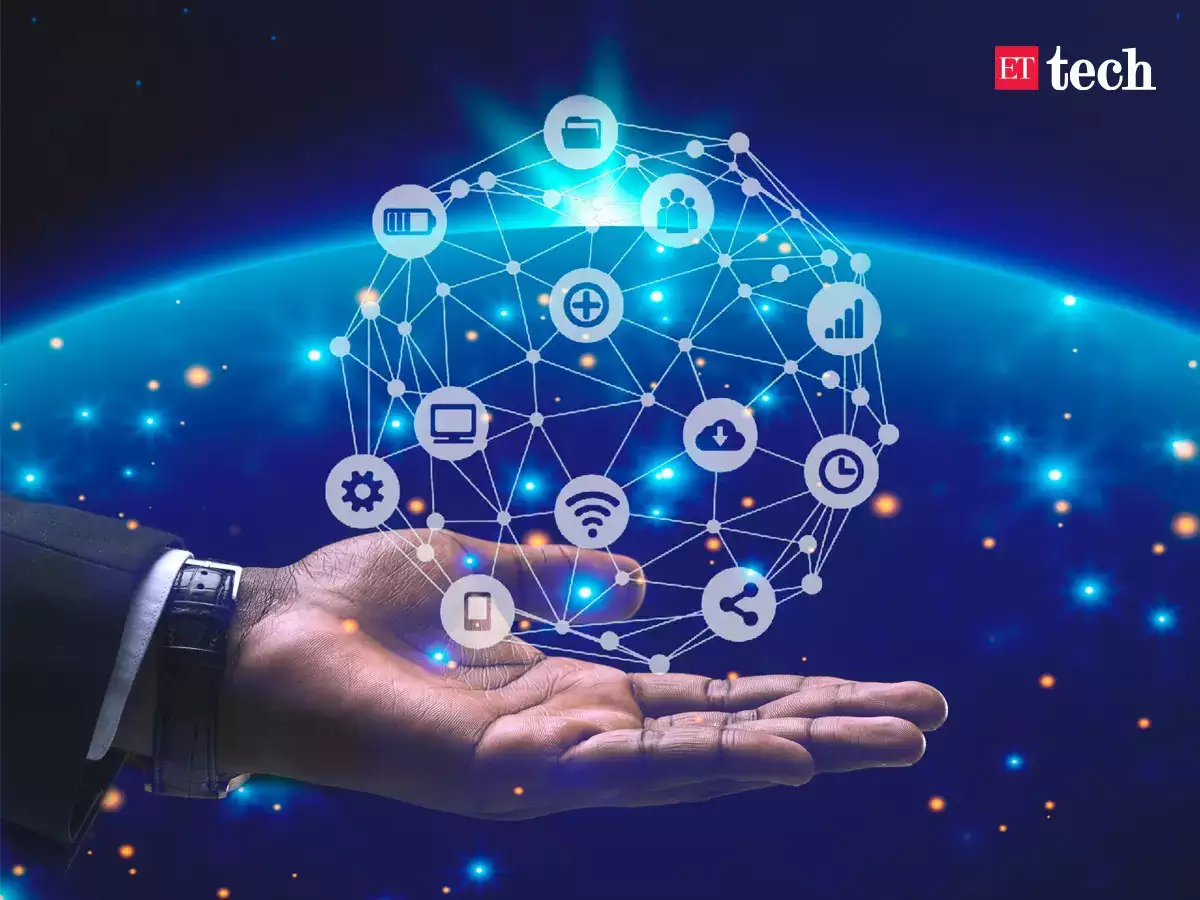


Edge computation brings computation and data storage closer to the source of the data.
The intention was to significantly improve response time and save bandwidth.Because of this, it has been at the base of the development of up-and-coming technologies like 5G and cloud-native.
Since there were so many people using the internet, there were going to be many issues with the speed and everything else.
However, with cloud computing, we are solving these problems.Now, let’s see why edge computing is going to be the future of cloud AI and IoTNow, we are currently using AI and IoT too.
We are currently using this data so that we will create special services that can be used throughout different businesses that work together.
The bottom line is that it can have a unique place in the ecosystem of businesses.It can be used across all the components of the ecosystem and can thus provide a centralized approach.For example, let’s take the example of buying a car.
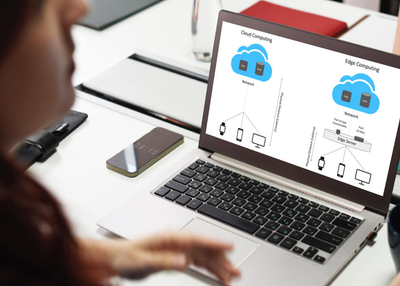
As the Internet of Things and associated devices becomes more prevalent in our discussions around digital transformation, there are a lot of solutions being brought forward for how and where these IoT devices will be hosted and stored. While cloud computing is often recommended as a good solution, there is a new infrastructure concept that is proving as a better choice, called edge computing. These two solutions are sometimes discussed interchangeably as if they are exclusive to one another but utilizing one does not preclude the other as they function in different ways. The current impression is that edge computing is likely to replace cloud architectures altogether, however, it is more like that edge computing will be utilized in specific use cases where it delivers superior results.