Understanding Gymnastics for Kids: An Introduction to the Sport
Gymnastics has long been a popular sport among children, offering a combination of physical activity, discipline, and fun. It is a sport that requires strength, flexibility, balance, and coordination, making it an excellent choice for developing a child's physical abilities. Children often begin gymnastics at a young age, sometimes as early as three or four, and continue to practice and compete throughout their childhood and teenage years. The sport is not only about physical prowess; it also instills a sense of discipline, resilience, and teamwork.
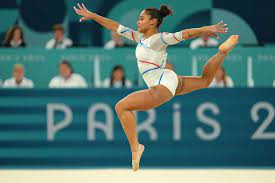
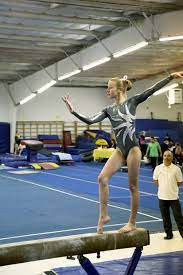
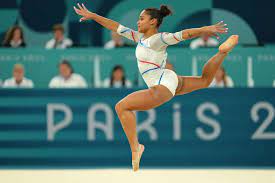
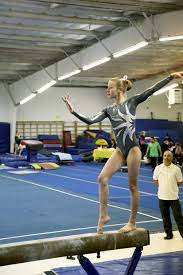
As children embark on their gymnastics journey, they are introduced to a world of dynamic movements and challenging routines. The sport encompasses various disciplines, including artistic gymnastics, rhythmic gymnastics, and trampoline gymnastics, each offering unique benefits and challenges. Artistic gymnastics, the most common form, involves routines on apparatuses such as the vault, uneven bars, balance beam, and floor exercise. Rhythmic gymnastics combines elements of dance and gymnastics, utilizing apparatuses like ribbons, hoops, and balls. Trampoline gymnastics focuses on acrobatic skills performed on a trampoline.
The structured environment of gymnastics classes provides children with opportunities to learn and grow while developing essential skills. Coaches play a vital role in guiding young athletes, fostering a positive atmosphere that encourages skill development and personal growth. Through consistent training and practice, children build a strong foundation in gymnastics, laying the groundwork for future achievements and experiences both within and outside the sport.
Benefits of Gymnastics for Kids: Beyond Physical Fitness
Participating in gymnastics offers numerous benefits for children. Physically, it helps improve strength, flexibility, balance, and coordination. These skills are foundational and can enhance performance in other sports and physical activities. Gymnastics also promotes healthy bone and muscle development, which is crucial during the growing years. Beyond the physical, gymnastics teaches important life skills such as discipline, patience, and perseverance. It encourages children to set goals, work hard, and overcome challenges. Moreover, being part of a gymnastics team fosters social skills and teamwork, as children learn to support and motivate each other.
Beyond the physical benefits, gymnastics plays a vital role in nurturing a child's emotional and social development. The sport encourages children to push their limits, build resilience, and develop a strong sense of self-confidence. As they master new skills and achieve personal milestones, they gain a sense of accomplishment and pride. Gymnastics also promotes mental focus and concentration, helping children improve their attention span and cognitive abilities.
Moreover, gymnastics provides a platform for children to develop social skills and form lasting friendships. Being part of a team cultivates a sense of camaraderie and cooperation, teaching children the importance of collaboration and mutual support. Through shared experiences and challenges, young gymnasts learn to communicate effectively, resolve conflicts, and celebrate each other's successes. These interpersonal skills contribute to their overall social development, preparing them for future interactions and relationships.
Assessing the Right Time to Start Gymnastics for Kids
Determining the right time for a child to start gymnastics depends on various factors, including the child's interest, physical readiness, and available opportunities. Many gymnastics programs offer classes for toddlers and preschoolers, focusing on basic movements and fun activities. These classes are designed to introduce young children to the sport in a playful and non-competitive environment. As children grow older, they can transition to more structured classes that emphasize skill development and technique. Parents should consider their child's enthusiasm for the sport and ensure that the program aligns with their child's age and skill level.
Parents play a pivotal role in assessing the right time for their child to start gymnastics. Observing a child's natural inclination towards physical activities, such as climbing, jumping, and tumbling, can be a strong indicator of their readiness for gymnastics. Additionally, parents should consider their child's ability to follow instructions, focus on tasks, and interact positively with peers. These factors contribute to a child's overall readiness to participate in structured gymnastics classes.
Furthermore, parents should explore local gymnastics programs and facilities to identify suitable opportunities for their child. Many gymnastics centers offer introductory classes that cater to different age groups and skill levels, allowing children to explore the sport in a supportive and engaging environment. By enrolling their child in a reputable program, parents can ensure that their child receives quality instruction and guidance from experienced coaches.
Recognizing the Signs: When Kids Might Want to Quit Gymnastics
While gymnastics can be a rewarding experience, there may come a time when a child wants to quit. Recognizing the signs that a child might be ready to move on from gymnastics is crucial for parents. One of the most common indicators is a lack of interest or enthusiasm. If a child consistently expresses disinterest or reluctance to attend practice, it might be time to explore other activities. Additionally, if a child experiences frequent injuries or burnout, it could be a sign that the physical demands of gymnastics are taking a toll. It's important for parents to have open conversations with their child to understand their feelings and motivations.
Parents should also be attentive to changes in their child's behavior or attitude towards the sport. If a child appears withdrawn, anxious, or stressed about gymnastics, it may indicate underlying issues that need to be addressed. These emotional responses can stem from various factors, such as pressure to perform, fear of failure, or dissatisfaction with the training environment.
Moreover, parents should consider external factors that may influence a child's decision to quit gymnastics. Academic demands, social commitments, and other extracurricular activities can compete for a child's time and attention, leading to a reevaluation of their priorities. By maintaining open and honest communication, parents can support their child in expressing their feelings and exploring alternative options.
Factors Influencing the Decision to Quit Gymnastics for Kids
Several factors can influence a child's decision to quit gymnastics. One major factor is the time commitment required for training and competitions. As children grow older, they may have other interests or responsibilities, such as academics or social activities, that compete for their time. The pressure to perform and succeed in competitions can also be overwhelming for some children, leading to stress and anxiety. Additionally, changes in coaching staff, team dynamics, or personal interests can impact a child's desire to continue with the sport. Parents should consider these factors and support their child in making a decision that aligns with their overall well-being.
Another significant factor that may contribute to a child's decision to quit gymnastics is the physical demands of the sport. As children advance in their training, the intensity and complexity of routines increase, requiring greater physical exertion and endurance. Some children may find these demands challenging or overwhelming, leading to fatigue or burnout.
The social dynamics within the gymnastics community can also influence a child's decision to quit. Changes in friendships, team dynamics, or coaching staff can impact a child's sense of belonging and enjoyment in the sport. If a child feels isolated or unsupported, they may lose motivation to continue participating in gymnastics.
Exploring Alternative Activities: Finding the Right Fit for Former Gymnasts
When a child decides to quit gymnastics, it's important to explore alternative activities that can provide a similar sense of fulfillment and engagement. Many former gymnasts find success in other sports, such as dance, cheerleading, or martial arts, where they can apply their existing skills. Others may choose to pursue creative or academic interests, such as music, art, or science clubs. The key is to find activities that align with the child's interests and strengths, allowing them to continue growing and developing in new ways. Parents should encourage their child to try different activities and support them in discovering their passions.
Exploring alternative activities offers children the opportunity to broaden their horizons and discover new interests. For former gymnasts, transitioning to sports like dance or cheerleading can be a natural progression, as these activities share similarities in terms of movement and coordination. Dance, for instance, allows children to express themselves creatively while honing their flexibility and rhythm.
Additionally, academic clubs or creative pursuits can provide a different avenue for personal growth and development. Engaging in music, art, or science clubs allows children to explore their intellectual and creative potential, fostering a sense of curiosity and innovation. These activities can complement a child's physical development, contributing to a well-rounded and balanced lifestyle.
Supporting Your Child Through the Transition: A Parent's Role
As a parent, supporting your child through the transition from gymnastics to other activities is crucial. It's important to listen to your child's feelings and concerns and provide reassurance and guidance. Encourage open communication and involve your child in the decision-making process. Help them set new goals and explore different opportunities that align with their interests. Additionally, remind them that it's okay to change paths and try new things. Your support and understanding can make the transition smoother and more positive for your child.
During this transition, parents should prioritize their child's emotional well-being and provide a nurturing environment that encourages exploration and growth. By actively engaging in conversations with their child, parents can gain insights into their child's aspirations and preferences, helping them make informed decisions about alternative activities.
Parents should also foster a positive mindset, emphasizing the value of trying new things and embracing change. Encouraging children to view the transition as an opportunity for personal growth and self-discovery can instill a sense of optimism and enthusiasm. By celebrating their child's achievements and supporting their efforts, parents can reinforce their child's confidence and resilience.
The Long-term Impact of Gymnastics on Kids: Skills for Life
Even if a child decides to quit gymnastics, the skills and experiences gained from the sport can have a lasting impact. The physical abilities developed through gymnastics, such as strength, flexibility, and coordination, provide a strong foundation for other physical activities. The discipline, perseverance, and teamwork learned in gymnastics can also translate to success in other areas of life, including academics and personal relationships. Former gymnasts often carry a sense of confidence and self-discipline that serves them well in various pursuits. Ultimately, the lessons learned from gymnastics can contribute to a well-rounded and fulfilling life.
Gymnastics instills values and attributes that extend beyond the confines of the sport, shaping a child's character and mindset. The discipline required to master routines and techniques fosters a sense of commitment and dedication, qualities that are transferable to academic pursuits and professional endeavors.
Moreover, the perseverance and resilience developed through gymnastics equip children with the ability to overcome challenges and setbacks. These qualities empower them to approach life's obstacles with determination and confidence, fostering a growth mindset that embraces continuous learning and improvement.
The teamwork and collaboration experienced in gymnastics contribute to the development of strong interpersonal skills, enabling children to navigate social interactions and build meaningful relationships. These skills enhance their ability to communicate effectively, empathize with others, and work collaboratively towards common goals.