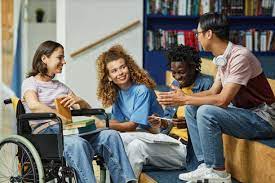
Understanding Disability Social Groups: A Comprehensive Overview
Disability social groups are vibrant communities that bring together individuals with disabilities, their families, and allies to create a supportive and empowering environment. These groups can be formal or informal, ranging from organized clubs and associations to online forums and social media groups. They serve as a safe space where members can share experiences, exchange information, and offer emotional support to one another.
These groups often focus on specific disabilities, such as autism, cerebral palsy, or visual impairments, but many are inclusive of all disabilities. The primary goal of disability social groups is to foster a sense of belonging and community among individuals who may feel isolated or marginalized in society. By connecting people with similar experiences, these groups help break down barriers and promote understanding and acceptance.
The need for such groups arises from the unique challenges faced by individuals with disabilities. These challenges can include physical barriers, social stigma, and a lack of accessible resources. Disability social groups aim to address these issues by providing a platform for advocacy, education, and mutual support. Through these groups, individuals can find a sense of solidarity and empowerment that is often lacking in other areas of their lives.
Furthermore, disability social groups play a crucial role in raising awareness about the diverse experiences of individuals with disabilities. By sharing stories and insights, members can educate the wider community and promote a more inclusive and understanding society. This, in turn, can lead to positive changes in policies and attitudes, benefiting not only the members of these groups but also the broader population.
The Role of Support in Disability Social Groups: A Pillar of Strength
Support is a cornerstone of disability social groups. Members often find solace in knowing they are not alone in their struggles and challenges. These groups provide a platform for individuals to share their stories, vent frustrations, and seek advice from others who have faced similar situations. This peer support is invaluable in helping members navigate the complexities of living with a disability.
In addition to emotional support, many disability social groups offer practical assistance. This can include information about accessible resources, guidance on navigating healthcare and educational systems, and tips for daily living. By pooling their collective knowledge and experiences, group members can help each other find solutions to common problems and improve their quality of life.
The support offered by these groups extends beyond immediate emotional relief. It also includes long-term strategies for personal growth and development. Members can participate in workshops, training sessions, and other educational activities designed to enhance their skills and knowledge. This not only boosts their confidence but also equips them with the tools needed to advocate for themselves and others in various settings.
Moreover, disability social groups often collaborate with other organizations to expand their reach and resources. By forming alliances with healthcare providers, educational institutions, and advocacy groups, they can offer a more comprehensive support system to their members. This collaborative approach ensures that individuals with disabilities have access to a wide range of services and opportunities that can significantly improve their lives.
Friendship and Community Building in Disability Social Groups: Creating Lasting Bonds
Friendship is a vital component of disability social groups. For many individuals with disabilities, making and maintaining friendships can be challenging due to physical, social, or communication barriers. These groups provide a welcoming environment where members can connect with others who understand their experiences and challenges.
Through regular meetings, social events, and online interactions, members of disability social groups can form meaningful friendships that extend beyond the group itself. These connections can lead to increased social engagement, reduced feelings of loneliness, and a greater sense of belonging. By fostering a sense of community, disability social groups help individuals build supportive networks that enhance their overall well-being.
The friendships formed within these groups often transcend the typical boundaries of social interaction. Members share a deep understanding and empathy for one another's experiences, creating bonds that are both profound and enduring. This sense of camaraderie can be a powerful antidote to the isolation and marginalization that many individuals with disabilities face in their daily lives.
In addition to personal relationships, disability social groups also facilitate community building on a larger scale. By organizing events, workshops, and campaigns, they create opportunities for members to engage with the broader community and raise awareness about disability issues. This not only strengthens the group's internal cohesion but also fosters a more inclusive and supportive society as a whole.
Empowerment Through Disability Social Groups: Unleashing Potential
Empowerment is a key outcome of participation in disability social groups. By connecting with others who share similar experiences, individuals gain confidence in their abilities and a stronger sense of self-worth. These groups often encourage members to advocate for themselves and others, promoting independence and self-determination.
Many disability social groups also engage in advocacy and activism, working to raise awareness about disability issues and promote positive change in society. By participating in these efforts, members can feel empowered to make a difference in their communities and beyond. This sense of purpose and agency can be transformative, helping individuals with disabilities to overcome barriers and achieve their goals.
The empowerment fostered by disability social groups is multifaceted. It encompasses personal growth, social influence, and community impact. Members are encouraged to take on leadership roles within the group, allowing them to develop essential skills such as communication, organization, and strategic thinking. These skills are invaluable not only within the group but also in other areas of life, such as employment and education.
Furthermore, the advocacy efforts of disability social groups often lead to tangible changes in policies and practices. By voicing their concerns and demands, members can influence decision-makers and drive systemic change. This not only benefits the individuals involved but also contributes to a more equitable and inclusive society for all.
Challenges Faced by Disability Social Groups: Navigating Obstacles
While disability social groups offer numerous benefits, they also face challenges. One common issue is accessibility, both in terms of physical spaces and digital platforms. Ensuring that meetings and events are accessible to all members, regardless of their specific needs, can be a complex task. Additionally, online groups must consider digital accessibility to ensure that all members can fully participate.
Another challenge is maintaining engagement and participation. Like any social group, disability social groups require active involvement from their members to thrive. Encouraging consistent attendance and participation can be difficult, especially when members face health issues or other personal challenges. Group leaders must find creative ways to keep members engaged and motivated.
Funding and resources are also significant challenges for disability social groups. Many of these groups operate on limited budgets and rely heavily on volunteers. Securing financial support and resources can be a constant struggle, impacting the group's ability to offer services and activities. To address this, groups often seek partnerships with local businesses, government agencies, and non-profit organizations to bolster their resources and extend their reach.
Moreover, disability social groups must navigate the complexities of representing a diverse membership with varying needs and priorities. Balancing these different interests can be challenging, requiring careful planning and open communication. Group leaders must be adept at fostering an inclusive environment where all voices are heard and valued.
The Future of Disability Social Groups: Embracing Change and Innovation
As society becomes more aware of the importance of inclusivity and diversity, the role of disability social groups is likely to grow. These groups will continue to be essential in providing support, friendship, and empowerment to individuals with disabilities. Advances in technology and communication will also play a significant role in shaping the future of these groups, making it easier for members to connect and collaborate.
Looking ahead, disability social groups have the potential to become powerful advocates for change, challenging societal norms and promoting greater understanding and acceptance of disabilities. By harnessing the collective strength of their members, these groups can drive progress and create a more inclusive world for all.
The future of disability social groups is likely to be characterized by increased collaboration and innovation. As technology continues to evolve, these groups can leverage new tools and platforms to enhance their operations and outreach. Virtual reality, for example, could offer new ways for members to interact and participate in group activities, breaking down geographical and physical barriers.
Additionally, disability social groups are expected to play a more prominent role in policy advocacy and social justice movements. By aligning themselves with broader initiatives for equality and human rights, they can amplify their impact and contribute to systemic change. This will require strategic planning, coalition-building, and a commitment to ongoing education and awareness-raising.
Conclusion: The Transformative Power of Connection in Disability Social Groups
In conclusion, disability social groups are a vital resource for individuals with disabilities, offering support, friendship, and empowerment. By bringing together people with shared experiences, these groups create a sense of community and belonging that can be life-changing. As we move towards a more inclusive society, the power of connection within these groups will continue to transform lives and promote positive change.
The impact of disability social groups extends beyond the individual members. By fostering a culture of inclusivity, understanding, and advocacy, these groups contribute to a more equitable and compassionate society. They challenge stereotypes, break down barriers, and pave the way for future generations of individuals with disabilities to thrive.
Ultimately, the power of connection within disability social groups lies in their ability to bring people together, empower them, and inspire collective action. As these groups continue to evolve and adapt to changing circumstances, they will remain a beacon of hope and resilience for individuals with disabilities and their allies.