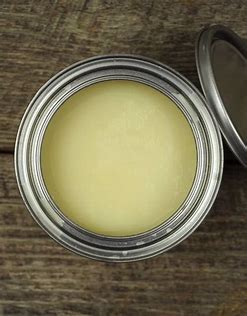



Carnauba wax, often referred to as the "queen of waxes," is a natural product derived from the leaves of the Copernicia prunifera tree, commonly found in Brazil. Known for its exceptional shine, durability, and versatility, carnauba wax has become a key ingredient in a variety of industries, including cosmetics, automotive, food, and pharmaceuticals. The market for carnauba wax is witnessing substantial growth due to increasing demand for natural and eco-friendly ingredients across several sectors.
In this blog, we’ll explore the key factors driving the growth of the carnauba wax market, the industries benefiting from its properties, and the trends shaping its future.
What is Carnauba Wax?
Carnauba wax is a natural wax derived from the leaves of the Copernicia prunifera, a palm tree native to the northeastern regions of Brazil. The wax is harvested by cutting the leaves of the tree, allowing the wax to naturally exude, and then processing it into a solid form. Carnauba wax has several desirable properties, including a high melting point (approximately 82°C), hardness, and water resistance, making it ideal for applications requiring a protective coating with a high gloss finish.
Often referred to as the "Brazilian wax" due to its country of origin, carnauba wax is one of the hardest natural waxes, and it is used in both industrial and consumer applications. It is prized for its ability to provide a high-shine finish and serve as a protective layer, enhancing both the appearance and durability of products.
Key Drivers of Growth in the Carnauba Wax Market
- Growing Demand for Natural and Eco-Friendly Products
In recent years, consumers have become increasingly focused on sustainability and eco-friendly products. Carnauba wax, being a natural and biodegradable ingredient, has seen a rise in demand as industries shift away from synthetic alternatives. This trend is particularly strong in sectors like cosmetics, food, and pharmaceuticals, where there is a growing preference for natural ingredients that are free from chemicals and harmful additives.
Carnauba wax is a popular ingredient in cosmetics, such as lip balms, mascaras, and lotions, as it provides smooth application, long-lasting shine, and protection against moisture. Similarly, it is used in food products as a glazing agent and coating for candies, fruits, and vegetables, offering an all-natural alternative to synthetic coatings.
- Increasing Use in the Automotive Industry
Carnauba wax is widely used in the automotive industry, particularly in car polishes, waxes, and coatings. The wax's high shine and protective qualities make it a preferred choice for enhancing the appearance and longevity of vehicles. Its natural origin and effectiveness in providing water and dirt resistance make carnauba wax a key ingredient in premium car care products.
The global automotive market's increasing focus on vehicle aesthetics, coupled with the growing demand for premium car care products, is driving the adoption of carnauba wax in the automotive sector. As consumers continue to seek out high-performance, eco-friendly products for their vehicles, the carnauba wax market in automotive care is expected to expand significantly.
- Expanding Applications in Food and Pharmaceuticals
Carnauba wax is commonly used in the food industry, primarily as a glazing agent for products like confectionery, fruits, and vegetables. It is also used in the pharmaceutical industry as a coating for pills and tablets, helping to improve the appearance and protect the integrity of the product.
As consumers continue to demand cleaner, more natural products, industries are turning to carnauba wax as a safe and effective solution. Its non-toxic and hypoallergenic properties make it an ideal option for food and pharmaceutical applications, driving growth in these sectors.
- Rise in Personal Care and Cosmetics Demand
The personal care and cosmetics sector has seen rapid growth in recent years, with a notable shift toward natural and organic products. Carnauba wax is commonly used in a variety of cosmetic formulations, such as lipsticks, lip glosses, mascaras, and skin creams, due to its ability to create a smooth texture and provide a glossy finish.
As consumers become more conscious of the ingredients in their personal care products, the demand for natural alternatives like carnauba wax is expected to grow. The increasing popularity of natural and cruelty-free beauty products is likely to fuel the expansion of the carnauba wax market within the personal care sector.
Key Trends in the Carnauba Wax Market
- Rising Consumer Preference for Sustainable Products
The growing awareness of environmental issues has led consumers to demand more sustainable and eco-friendly products. Carnauba wax, being a natural and biodegradable ingredient, fits well within this trend. Manufacturers are increasingly incorporating carnauba wax into their products to cater to the rising demand for green alternatives.
Consumers are now more likely to choose natural, plant-based ingredients in their daily products, and carnauba wax provides a renewable and sustainable option. This trend is particularly evident in the cosmetics, food, and automotive industries, where consumers are looking for alternatives to synthetic materials and chemicals.
- Advancements in Wax Extraction and Processing Techniques
In response to increasing demand, advancements in carnauba wax extraction and processing techniques are improving the efficiency of harvesting and refining the wax. As the extraction process becomes more efficient and cost-effective, it enables companies to increase production volumes and meet growing demand without compromising quality.
Additionally, improvements in wax formulation techniques have led to the creation of carnauba wax derivatives, such as emulsions and microcrystalline forms, which are used in a wider range of applications, including food coatings and pharmaceutical capsules.
- Development of New Applications
The versatility of carnauba wax is driving the exploration of new applications in industries such as bioplastics and coatings. Research is ongoing into developing carnauba wax-based formulations for use in packaging materials and biodegradable plastics, which align with the growing focus on reducing plastic waste.
Additionally, the use of carnauba wax in green coatings and paints is gaining traction. The development of carnauba wax-based coatings that are non-toxic and biodegradable is helping to address concerns about the environmental impact of traditional coatings, particularly in the construction and automotive sectors.
Challenges in the Carnauba Wax Market
Despite its growth potential, the carnauba wax market faces a few challenges that could affect its future trajectory:
- Supply Chain and Harvesting Issues
Carnauba wax is sourced from the Copernicia prunifera palm tree, which is primarily found in Brazil. The supply of carnauba wax is dependent on the availability of the raw material, which can be impacted by weather conditions, agricultural practices, and deforestation concerns. A significant disruption in the supply chain could lead to price volatility or shortages in carnauba wax.
Additionally, there are concerns regarding the environmental sustainability of large-scale carnauba wax production. As demand for carnauba wax grows, ensuring responsible sourcing practices and supporting sustainable farming methods will be essential for long-term market stability.
- Competition from Synthetic Alternatives
While carnauba wax is a natural and highly effective product, it faces competition from synthetic alternatives, such as polyethylene wax and paraffin wax. These synthetic waxes are often less expensive and easier to produce at large scales. However, as consumers continue to prioritize sustainability and natural ingredients, carnauba wax’s natural and biodegradable properties may give it a competitive edge in certain sectors.
Regional Insights: Where is the Carnauba Wax Market Growing?
The carnauba wax market is driven by demand in several regions, with the largest share coming from the Americas, particularly Brazil, where the raw material is sourced. However, the market is also growing rapidly in other regions, driven by increasing awareness of natural and eco-friendly ingredients.
- North America: The North American market is experiencing growth due to the increasing demand for natural products in the cosmetics, food, and automotive industries. Consumers in the U.S. and Canada are increasingly seeking products that are cruelty-free, sustainable, and made from renewable sources.
- Europe: Europe is a key market for carnauba wax, particularly in the cosmetics and personal care sectors. The increasing demand for natural beauty products, along with stringent regulations around chemical use in cosmetics, is driving growth in this region.
- Asia-Pacific: The Asia-Pacific region, particularly countries like India and China, is expected to see significant growth in the carnauba wax market. Rising consumer incomes, growing awareness of natural products, and the expansion of the automotive and personal care industries are contributing to the market's expansion in this region.
The Future of the Carnauba Wax Market
The carnauba wax market is expected to continue its growth trajectory, driven by the increasing demand for natural and eco-friendly products. As consumer preferences continue to shift toward sustainable alternatives, carnauba wax's versatility and natural properties will position it as a key ingredient in various industries.
In the coming years, the market will likely see further advancements in extraction and processing technologies, expanding the range of applications for carnauba wax. Additionally, increased focus on sustainable sourcing practices will help ensure the long-term viability of carnauba wax production, allowing it to meet the growing global demand.
Conclusion
Carnauba wax is a natural and versatile product that plays an essential role in industries such as cosmetics, automotive, food, and pharmaceuticals. With the growing demand for sustainable and eco-friendly products, the carnauba wax market is poised for continued growth. As consumers increasingly seek natural alternatives to synthetic materials, carnauba wax’s unique properties make it an attractive option for businesses looking to meet these demands. With advancements in technology and responsible sourcing practices, the future of the carnauba wax market looks promising, offering exciting opportunities for innovation and growth.



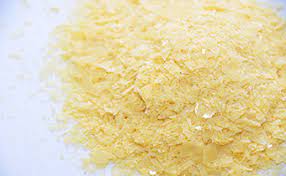
The Carnauba Wax Market 2021 research report gives emerging industry data, global segments and regional outlook.
This report covers up all details such as size, share, value, growth, restraints, and opportunities for the year 2020 to 2027.
The report generated using various analysis tools like porter’s five forces model, market attractiveness and value chain.
The report gives comprehensive review of the global market helping to club revenue generation and profitable business to transform client’s success.The research report also covers the comprehensive profiles of the key players in the market and an in-depth view of the competitive landscape worldwide.
The major players in the carnauba wax market include Brasil Ceras, Natural Wax, Foncepi comercial exportadora ltda, Norevo GmbH.,Carnauba do Brasil, The International Group, Inc. Pontes industria de Cera ltda., J. Allcock & Sons Ltd. and Tropical Ceras do Brasil Ltda.S.
This section includes a holistic view of the competitive landscape that includes various strategic developments such as key mergers & acquisitions, future capacities, partnerships, financial overviews, collaborations, new product developments, new product launches, and other developmentsGet more information on "Global Carnauba Wax Market Research Report" by requesting FREE Sample Copy at https://www.valuemarketresearch.com/contact/carnauba-wax-market/download-sampleMarket DynamicsThe rising demand for automotive care waxes and growing concerns regarding automobile care are the primary factors driving the carnauba wax market.