



In today’s fast-paced world, where attention spans are short and communication is often reduced to quick soundbites, creating a lasting emotional impact through a speech is both a challenge and a craft. One powerful way to do this is by weaving in classical Urdu poetry. For anyone preparing an Urdu Speech adding timeless verses can transform ordinary words into deeply moving expressions, evoking emotions that linger in the hearts of listeners long after the speech ends.
The Rich Legacy of Classical Urdu Poetry
Urdu poetry has a centuries-old tradition of expressing complex human emotions—love, loss, patriotism, spiritual longing, and philosophical depth—through elegant and lyrical language. The works of poets like Mir Taqi Mir, Allama Iqbal, Faiz Ahmed Faiz, and Ghalib are still quoted today for their unmatched depth and relevance. These poets did not merely write verses; they painted emotions, dilemmas, and ideals with words, creating a reservoir of feelings that speakers can tap into.
Incorporating such classical poetry into a speech instantly connects the listener with a cultural and emotional heritage. It lends gravity and substance to your words, making the message feel more profound and soulful.
Elevating Emotional Engagement
Speeches, whether they are motivational, political, educational, or spiritual, often aim to connect with the audience emotionally. Classical Urdu poetry has the unique ability to touch the soul. A well-placed couplet or stanza can evoke nostalgia, stir national pride, or bring tears of empathy to the listener’s eyes.
For example, quoting Allama Iqbal’s verse “Khudi ko kar buland itna…” in a motivational speech immediately boosts its emotional resonance. It doesn’t just instruct; it inspires. When listeners hear poetry they’ve grown up with or that resonates with their inner struggles, the speaker becomes more relatable and memorable.
Enhancing Cultural Identity and Pride
Including classical Urdu poetry also strengthens the cultural bond between the speaker and the audience. It acts as a reminder of shared values, struggles, and achievements. Quoting nationalistic poetry in a speech about independence or social justice not only reinforces the speaker’s point but also reignites a sense of unity and pride in one's heritage.
Poets like Faiz, who gave voice to resistance and social awareness, are still relevant in contemporary discourse. Using their words in your speech can help shed light on current issues while grounding them in historical significance.
Creating Rhythm and Aesthetic Appeal
One of the most overlooked aspects of speech-making is its auditory beauty. The rhythm, cadence, and phonetic charm of classical Urdu poetry enhance the musicality of a speech. Unlike plain prose, poetry dances off the tongue, capturing attention through sound alone. This melodic flow naturally draws the listener in and makes the content more enjoyable to absorb.
Whether it’s Ghalib’s subtle wit or Mir’s heart-wrenching simplicity, the poetic rhythm adds an extra dimension to the speech, allowing the audience to feel, rather than just understand, the message.
Making Complex Ideas More Accessible
Sometimes, the ideas we want to convey in a speech are heavy, philosophical, or intellectually dense. Poetry acts as a bridge, translating these ideas into emotionally digestible expressions. A simple couplet can encapsulate a world of thought in just two lines, making abstract concepts relatable and memorable.
Consider using a couplet to introduce or conclude a point. It allows the audience to absorb the essence of your message without getting lost in complex explanations. This simplicity, wrapped in beauty, increases the retention of your key message.
Personalizing the Message
Classical Urdu poetry also allows the speaker to personalize their message. Instead of generic phrases, choosing a verse that resonates with your own emotions, experiences, or beliefs makes the delivery feel authentic and heartfelt. It tells the audience that the message is not just prepared material—it’s lived truth.
This personal touch is particularly effective in speeches that aim to inspire or console. When a speaker shares a poetic verse that once helped them through a tough time, it connects on a deeper human level.
Conclusion
Incorporating classical Urdu poetry in a speech does more than embellish the language—it deepens the emotional experience for both the speaker and the audience. It adds soul, rhythm, wisdom, and cultural richness to the message, turning an ordinary speech into an unforgettable experience. Whether you're speaking to inspire, to educate, or to unite, let the timeless words of classical poets lend their magic. Because sometimes, it takes a few verses to say what paragraphs cannot.



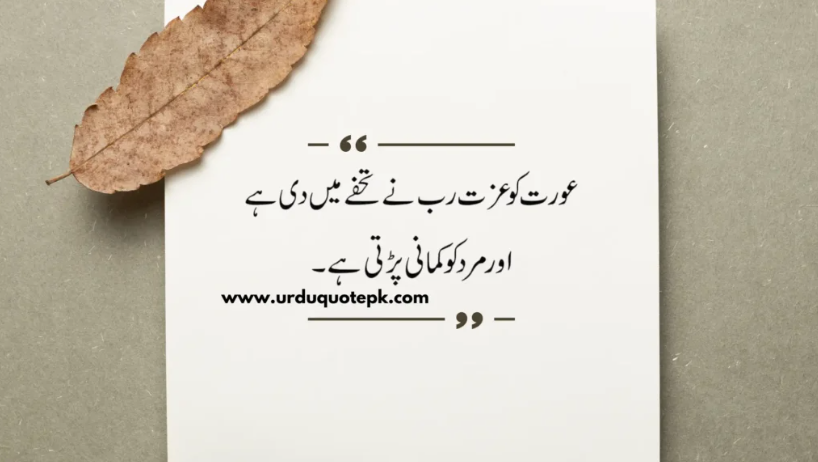
For just a layman We would telephone dialect some sort of choice to help get in touch with persons.
Comprehensively Urdu Poetry is not merely this alternate connected with text quite it truly is verbal exchanges connected with inner thoughts, movement, in addition to philosophy.
It might wear sort of text, representations, signals, impulses, compositions connected with new music notices or perhaps fuzzy or maybe distinct appears to be.Heritage connected with languagesHeritage connected with dialect will begin from the beginning connected with progress connected with human beings.
In a variety of situations, this process connected with verbal exchanges is one of many human beings who has become unique.
It offers which might be unsaid in addition to stated using behavior.
There has been a robust impression connected with languages within the ethnical behavior connected with places everywhere.

I have brought a special kind of urdu poetry site for you.
You were very happy to see that.
It includes all kinds of poetry, such as Urdu Urdu poetry, Urdu poetry and ghazals by Major Pakistani and Indian poets.
Read sad poetry, romantic poetry, love poetry, unfaithful poetry and funny poetry.
And there is a lot of poetry.
You must see it once.