For individuals dealing with chronic knee pain or mobility issues, robotic knee replacement surgery has become a revolutionary solution delivering precise treatment and reduced discomfort. While the surgery itself is highly advanced, understanding the process of recovery after robotic knee replacement surgery is equally important to ensure optimal results. This article delves into the recovery process, tips for quick healing, and what to expect during the different stages of recovery.
How to Ensure a Smooth Recovery After Robotic Knee Replacement Surgery
Recovery requires a combination of medical guidance, self-care, and patience. Below are some tips to optimize the recovery process after your robotic knee surgery:
Consistency in physical therapy is paramount. Exercises are designed to gradually improve your range of motion, strength, and balance.
Adhering to guidelines regarding medication, wound care, and activity levels will go a long way in ensuring quick progress.
A balanced diet rich in protein, vitamins, and minerals speeds up healing and helps restore energy.
Use ice therapy, elevation, and prescribed medications to alleviate swelling and discomfort.
Don’t rush into strenuous activities. Gradually increase movement under professional guidance to avoid overexertion.
Attend all follow-up visits with your surgeon to monitor your progress and ensure everything is healing appropriately.
Why Robotic Knee Surgery Offers Faster Recovery
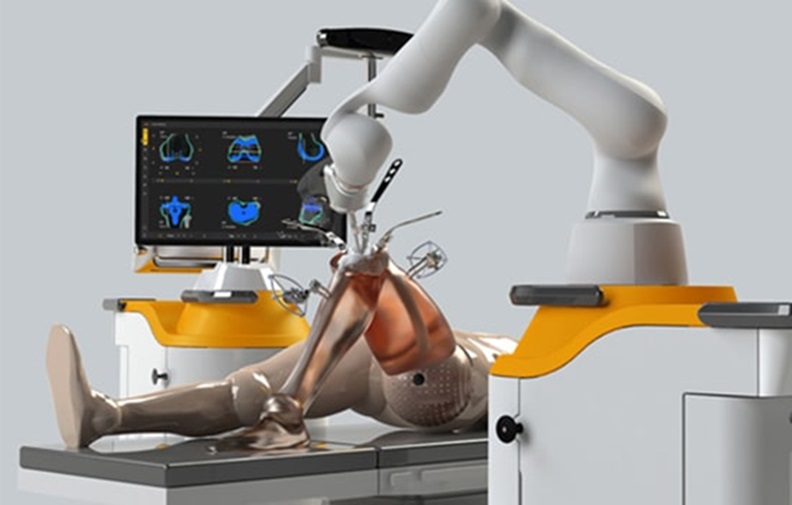
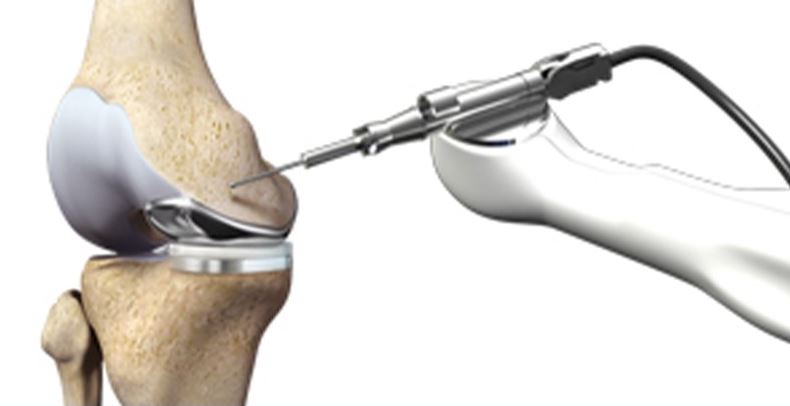
Robotic-assisted knee replacement ensures the accuracy of implant placement, leading to better joint alignment and reduced post-surgical strain. This precision minimizes tissue damage, reduces the risk of complications, and results in shorter recovery times compared to traditional knee replacement. Patients undergoing robotic surgery generally experience quicker improvements in mobility and a smoother path to knee operation recovery time.
What Does Full Recovery Look Like?
While it is natural to ask about knee replacement surgery recovery time, the goal is not just physical healing but also reclaiming your everyday life with enhanced mobility and reduced discomfort. Full recovery feels like this:
Depending on your dedication to recovery, you may achieve a stronger, healthier knee within 4–6 months after surgery.
Why Choose Robotic Knee Replacement Surgery?
Robotic knee replacement not only ensures precise implant placement but also offers the added benefits of reduced pain, smaller incisions, and shorter hospital stays. It is ideal for patients looking for a minimally invasive option with quicker recovery times.
Conclusion
Recovering after robotic knee replacement surgery involves multiple phases, starting with immediate post-surgery care and progressing through physiotherapy and gradual activity resumption. While the recovery time for robotic knee replacement Surgery varies among individuals, most patients see significant improvements within a few weeks and achieve full recovery in a few months. By choosing robotic knee replacement, you invest in a highly advanced, precise surgical approach that promises better outcomes and reduced discomfort. Follow your surgeon’s advice, stay disciplined in physical therapy, and give your body the care it needs to achieve successful recovery and long-term mobility.