





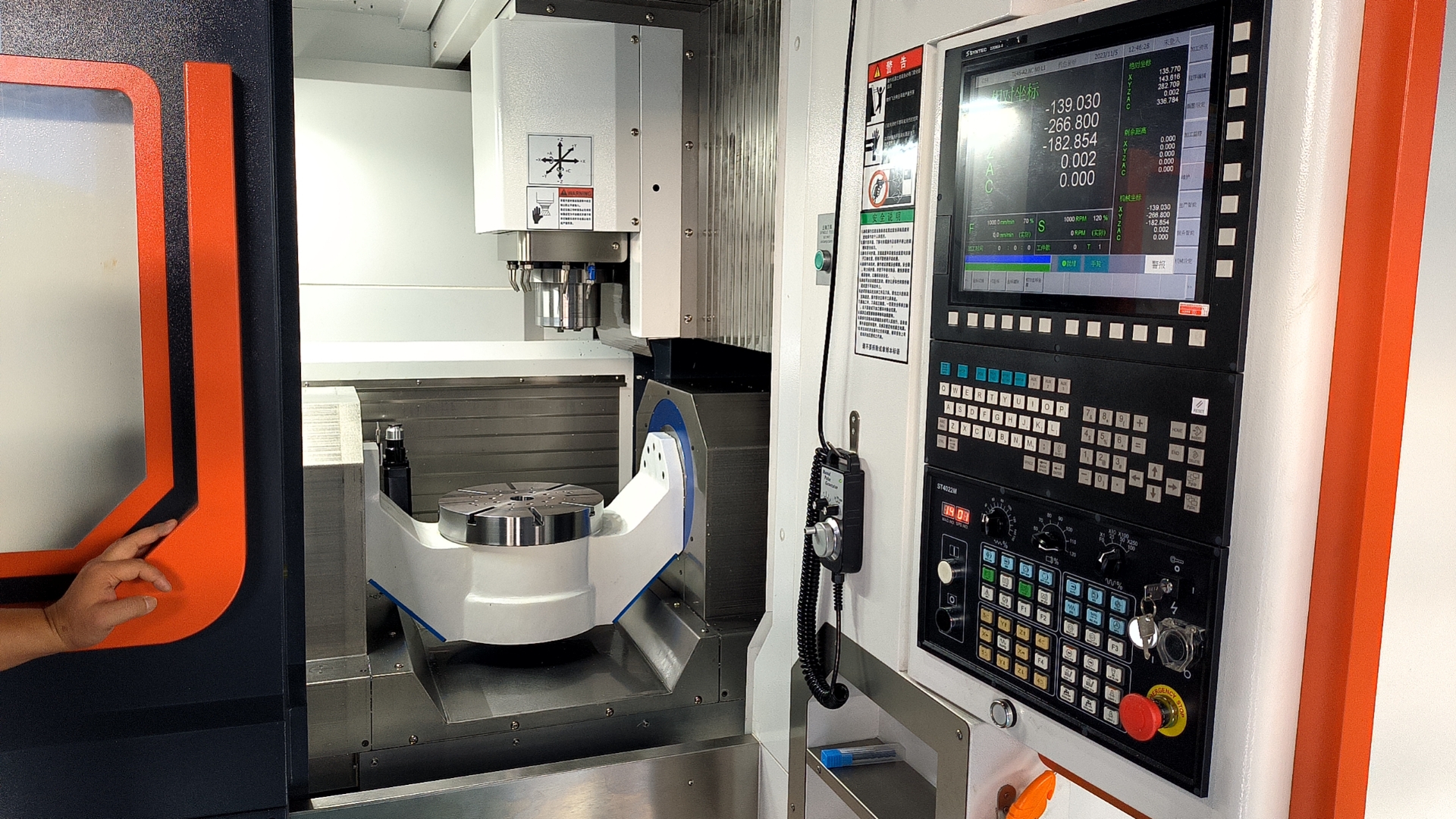
Precision CNC Machining: Achieving Unmatched Accuracy
In the realm of manufacturing, precision CNC machining stands as a cornerstone for achieving unparalleled accuracy and consistency in prototyping. The process involves using computer-controlled tools to remove material with high precision, ensuring that each component meets exact specifications. This precision is vital as it directly impacts the functionality and performance of the final product.
To achieve this level of precision, it's crucial to focus on several key factors. Firstly, the selection of the right materials plays a significant role. Different materials have varying properties that can affect the machining process, such as hardness, tensile strength, and thermal conductivity. Understanding these properties helps in choosing the appropriate cutting tools and machining parameters.
Additionally, the calibration and maintenance of CNC machines are paramount. Regular maintenance ensures that the machines operate at optimal performance, reducing the risk of errors and enhancing precision. Calibration involves adjusting the machine settings to ensure that the tool paths are accurate and the dimensions of the machined parts are consistent with the design specifications.
Another critical aspect is the use of advanced software for design and simulation. Computer-aided design (CAD) and computer-aided manufacturing (CAM) software allow for precise modeling and simulation of the machining process. This helps in identifying potential issues before the actual machining begins, saving time and resources while ensuring precision.
Precision CNC machining also benefits greatly from the integration of feedback systems. These systems provide real-time data on the machining process, allowing for immediate adjustments to be made. This feedback loop ensures that any deviations from the desired specifications are quickly corrected, maintaining the high precision required in prototyping.

CNC Machining Prototyping: Streamlining the Process for Success
CNC machining prototyping is a crucial step in product development, allowing designers and engineers to create functional prototypes quickly and efficiently. The prototyping phase is essential for testing and validating designs before moving to full-scale production. To streamline this process, several strategies can be employed.
Firstly, it is essential to have a clear understanding of the design requirements and objectives. This involves collaborating closely with the design team to ensure that the prototype meets the intended purpose and specifications. Clear communication and collaboration help in minimizing revisions and iterations, thus speeding up the prototyping process.
Another important strategy is the optimization of tool paths. Efficient tool path planning reduces machining time and material waste, leading to cost savings and faster production cycles. Advanced CAM software can assist in generating optimal tool paths, taking into account factors such as tool geometry, material properties, and machine capabilities.
Moreover, leveraging rapid prototyping techniques such as additive manufacturing can complement CNC machining. While CNC machining is ideal for creating high-precision parts, additive manufacturing can be used for creating complex geometries and reducing lead times. Combining these techniques allows for greater flexibility and efficiency in the prototyping process.
To further streamline CNC machining prototyping, the implementation of standardized processes is beneficial. Standardization reduces variability in the prototyping process, ensuring that each prototype is produced consistently and to the required quality standards. This approach not only improves efficiency but also enhances the reliability of the prototypes produced.
Machining Best Practices: Enhancing Efficiency and Quality
To achieve the best results in CNC machining, adhering to best practices is essential. These practices not only enhance efficiency but also improve the quality of the machined parts. One of the fundamental best practices is the selection of appropriate cutting tools. The choice of tools depends on the material being machined, the complexity of the design, and the desired surface finish. Using high-quality tools with the right coatings can significantly impact the machining process, reducing wear and tear and improving tool life.
Another best practice is the implementation of proper machining parameters. This includes selecting the right spindle speed, feed rate, and depth of cut. These parameters affect the cutting forces, heat generation, and surface finish. Optimizing these parameters ensures that the machining process is efficient and the parts produced are of high quality.
Furthermore, implementing quality control measures is crucial. Regular inspection and measurement of the machined parts ensure that they meet the required specifications. Using advanced measurement tools such as coordinate measuring machines (CMM) and laser scanners provides accurate and reliable data, allowing for quick identification of any deviations or defects.
Finally, continuous training and skill development of the machining personnel are vital. Keeping up with the latest advancements in CNC technology and machining techniques ensures that the team is well-equipped to handle complex projects and deliver high-quality results consistently.
An additional best practice is the integration of lean manufacturing principles into the CNC machining process. Lean manufacturing focuses on minimizing waste and maximizing productivity. By adopting these principles, CNC machining operations can achieve higher efficiency and better quality outcomes.

Integrating Technology and Innovation in CNC Machining
Incorporating cutting-edge technology and innovation is essential for staying competitive in the CNC machining industry. The integration of Industrial Internet of Things (IIoT) and smart manufacturing technologies allows for real-time monitoring and data analysis, enabling predictive maintenance and process optimization. This not only improves efficiency but also reduces downtime and operational costs.
Additionally, the use of artificial intelligence (AI) and machine learning in CNC machining is gaining traction. These technologies can be used to optimize machining parameters, predict tool wear, and enhance the overall machining process. AI-driven systems can analyze large datasets and provide insights that lead to improved decision-making and process improvements.
Furthermore, the adoption of advanced materials such as composites and alloys expands the possibilities in CNC machining. These materials offer superior properties, such as high strength-to-weight ratios and resistance to extreme conditions, making them ideal for various applications in aerospace, automotive, and medical industries.
Integrating virtual reality (VR) and augmented reality (AR) into CNC machining processes is also an emerging trend. These technologies provide immersive environments for design visualization and training, enhancing the understanding of complex machining operations and improving collaboration among team members.
Sustainability and Environmental Considerations in CNC Machining
As environmental concerns continue to rise, sustainability has become a critical aspect of CNC machining. Implementing eco-friendly practices not only reduces the environmental impact but also enhances the company's reputation and competitiveness. One approach is to optimize material usage and reduce waste. This can be achieved through efficient tool path planning and recycling of scrap materials.
Moreover, the use of biodegradable and non-toxic cutting fluids is gaining popularity. These fluids reduce the environmental impact and improve the working conditions for operators. Additionally, energy-efficient CNC machines and processes contribute to reducing the carbon footprint and operational costs.
Embracing sustainable practices in CNC machining is not only beneficial for the environment but also for the business. It can lead to cost savings, improved efficiency, and a positive brand image, attracting environmentally-conscious customers and partners.
Another important consideration is the implementation of closed-loop recycling systems within CNC machining operations. These systems ensure that waste materials are collected, processed, and reused, minimizing the need for virgin materials and reducing overall environmental impact.
Conclusion: The Future of CNC Machining Prototyping
The future of CNC machining prototyping is bright, with advancements in technology and a focus on sustainability driving the industry forward. By adhering to best practices, integrating innovative technologies, and considering environmental impacts, companies can achieve precision and efficiency in their prototyping processes. As the industry evolves, staying informed and adaptable will be key to success in this dynamic field.
The continuous development of new materials and machining techniques will further expand the capabilities of CNC machining prototyping. As companies embrace digital transformation and sustainability, the potential for innovation and growth in this field is immense. The future promises exciting opportunities for those who are willing to adapt and innovate in the world of CNC machining prototyping.
This can be a manufacturing process that uses the automatic opportunity from the personal computer to create shapes or forms that should be precise.
Get far more facts about Precision CNC machiningRaw components are used and they are put into a CNC machine that uses cutting tools to make these shapes.
The CNC machining process involves computer systems that have no less than one microprocessor and several units for storage.
With CAD or CAM software systems added to CNC the computer can be programmed to make the precise movements which can be able to build the part.In CNC machining the process is automated which saves the operator time and saves the business money.
The operator is in a position to load the supplies, program the machine then the machine can work with out consideration when setup appropriately; the quantity of time it's run with no interest can also be programmed in.A vital aspect of any CNC machining is for the operator to understand the machine properly.
As an instance, for anyone who is doing routing, adding CNC for the process only automates it.