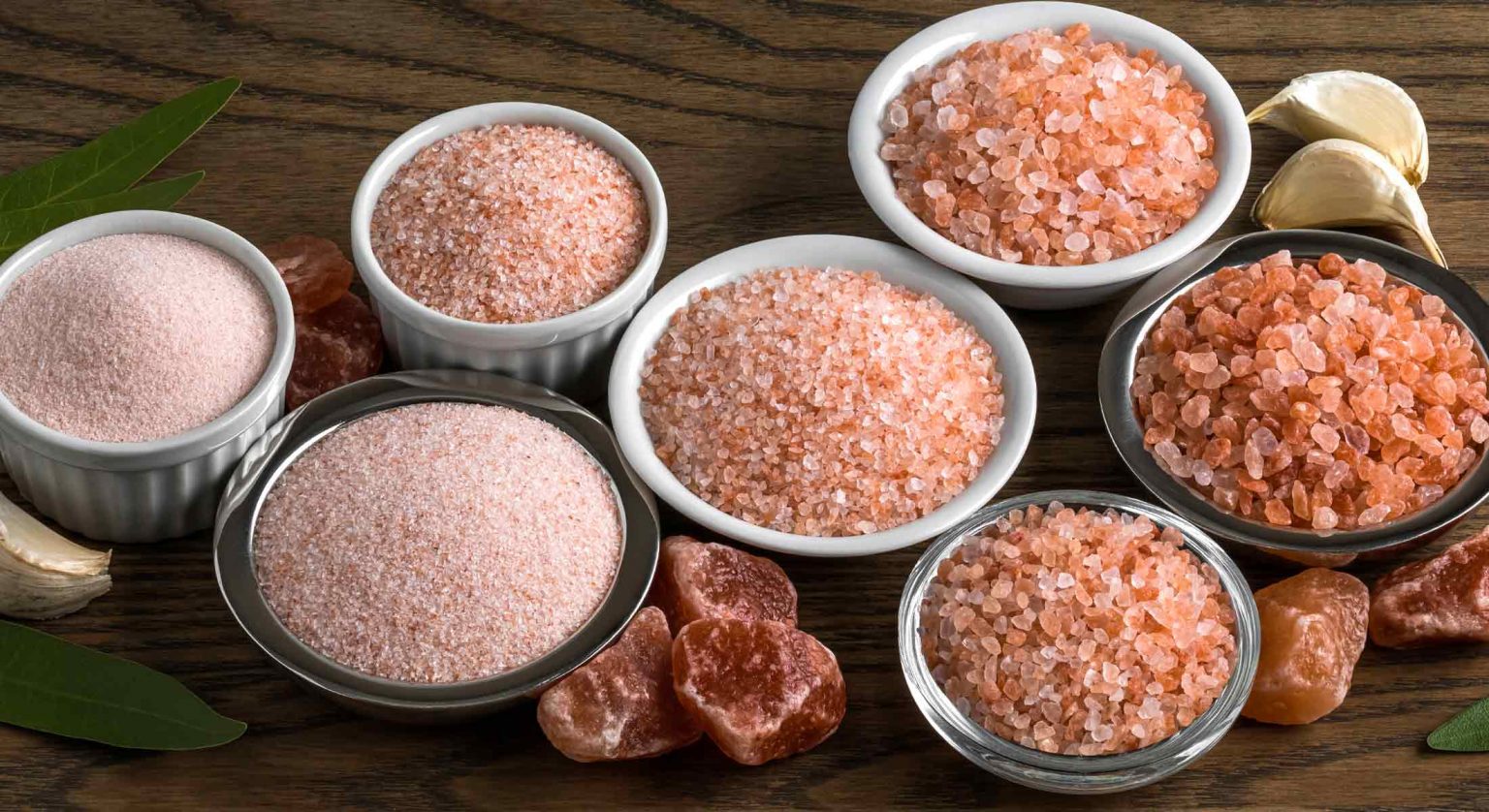


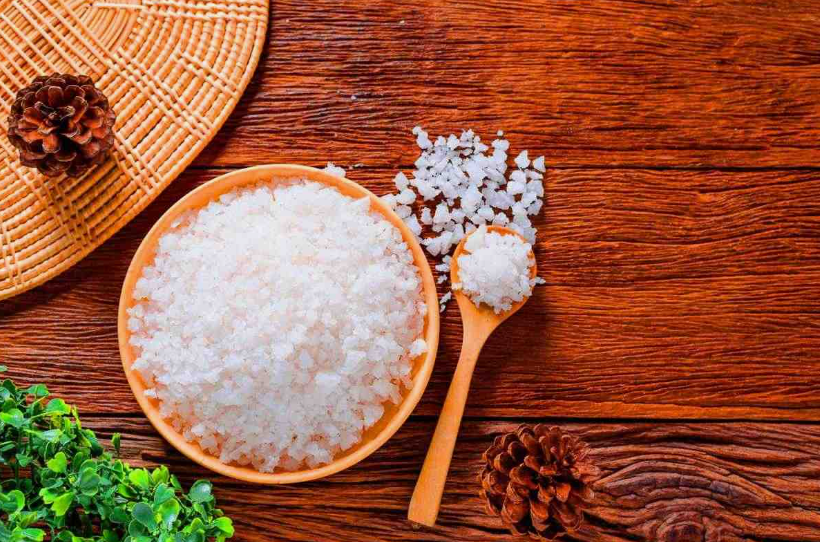
The global sea salt market is undergoing a significant transformation driven by a combination of health trends, culinary innovation, and increasing demand for natural and minimally processed food ingredients. Valued at USD 3.5 billion in 2023, the sea salt market is projected to reach USD 5.4 billion by 2031, expanding at a CAGR of 5.6% from 2023 to 2031. The rising preference for organic, gourmet, and mineral-rich products is propelling this market onto a steady growth trajectory.
What Is Sea Salt and Why Is It in Demand?
Unlike regular table salt that is heavily refined and stripped of minerals, sea salt is produced through the evaporation of seawater and retains trace minerals like magnesium, calcium, and potassium. These characteristics not only contribute to flavor complexity but also align with the health-conscious choices made by modern consumers.
In recent years, sea salt has become more than just a kitchen staple—it's now a premium product appearing in luxury skincare, gourmet recipes, health treatments, and even home cleaning products. This versatility is one of the primary factors fueling global demand.
Key Growth Drivers
- Health and Wellness Trends
Consumers are increasingly seeking alternatives to processed foods and additives. Sea salt, due to its natural origin and lower processing, is perceived as a healthier option compared to iodized salt. Its rich mineral profile has made it especially appealing in functional foods, sports nutrition, and dietary supplements.
- Culinary Popularity
The global foodservice industry and home cooking trends have embraced sea salt for its distinct flavor profile and visual appeal. Chefs and food bloggers alike are using sea salt flakes and crystals for both flavor enhancement and food presentation, adding a touch of gourmet finesse to everyday meals.
- Rising Demand in Beauty and Personal Care
Beyond the kitchen, sea salt is making waves in the cosmetic and personal care industry, being used in exfoliating scrubs, bath salts, and mineral-rich spa treatments. With increasing consumer awareness about the benefits of natural skincare products, sea salt’s value in this segment is rapidly expanding.
- Clean Label Movement
The global shift toward clean-label products is pushing manufacturers to reformulate items using natural ingredients. Sea salt perfectly aligns with this shift, offering food manufacturers an appealing substitute for processed salt varieties.
Market Segmentation Highlights
By Product Type:
- Fine Sea Salt: Dominates the market due to its broad use in food processing and everyday cooking.
- Coarse Sea Salt: Gaining traction in gourmet applications, pickling, and wellness segments.
- Flake Sea Salt: A premium variant popular in fine dining and upscale retail markets.
By Application:
- Food & Beverage: Includes processed foods, snacks, dairy, sauces, and bakery products.
- Personal Care: Used in bath soaks, exfoliating products, and spa therapies.
- Household Use: Employed in cleaning, air purifying, and therapeutic applications.
- Industrial Use: Applied in water softening, animal feed, and chemical processes.
Regional Insights
North America and Europe are leading in market share due to early adoption of health-centric food choices and rising demand for premium culinary products. The United States is particularly strong in both food and personal care applications of sea salt.
Asia Pacific is projected to grow at the fastest pace over the forecast period. Rising income levels, awareness of global culinary trends, and the rapid expansion of the food processing industry in countries like China, India, and Japan are fueling this growth.
Latin America and Middle East & Africa are emerging as key markets due to increasing urbanization and the expanding hospitality and tourism sectors.
Competitive Landscape
The sea salt market is moderately fragmented, with the presence of several international and regional players. Key companies are focusing on product innovation, packaging design, and sustainability initiatives to capture consumer attention.
Major Players:
- Cargill, Inc.
- Morton Salt, Inc.
- SaltWorks, Inc.
- Maldon Crystal Salt Company
- Murray River Salt
- Cheetham Salt Ltd.
- Infosa
- Nostimo Sea Salt
These companies are leveraging strategic partnerships, expanding production capacity, and investing in branding to enhance their market position.
Market Trends to Watch
- Organic and Vegan Certifications: Products with third-party certifications are gaining traction, especially in Western markets.
- Sustainable Harvesting: Consumers are increasingly aware of the environmental impact of salt extraction, encouraging brands to adopt eco-friendly harvesting and packaging practices.
- Flavored and Infused Sea Salt: Innovations like smoked sea salt, herb-infused variants, and chili-flavored crystals are resonating with gourmet consumers.
- Private Label Growth: Supermarket chains are introducing their own sea salt brands, competing with established labels by offering premium quality at competitive pricing.
Challenges in the Market
While the outlook is positive, the sea salt market faces some constraints:
- Price Sensitivity: Sea salt is generally priced higher than refined table salt, which can limit adoption in cost-conscious regions.
- Supply Chain Disruptions: Seasonal and geographical limitations affect harvesting, impacting consistent supply and pricing.
- Stringent Quality Standards: Export-oriented manufacturers must comply with food safety regulations across different regions, necessitating investment in quality assurance systems.
Future Outlook
With growing consumer awareness, diversified applications, and the premiumization of basic food products, the sea salt market is poised for sustainable long-term growth. Companies that focus on transparency, sustainability, and innovation will be well-positioned to capitalize on evolving trends.
As sea salt continues to transcend traditional boundaries, moving from pantry shelves to luxury spas and eco-conscious households, its future appears as bright and promising as the minerals it carries.




What Is Chronic Kidney Disease?When the functions of your kidneys decrease gradually over several years, it is called chronic kidney disease.
If you are a CKD Patient, then you can reduce the Protein Intake in their Diet for the precise treatment of this health condition.What Are The Stages Of CKD?
When this disorder reaches to its advanced stage, then the signs may arise.
There are five stages of chronic kidney disease according to the functioning of your kidneys: • Stage 1 - Normal kidney function with GFR equal to or more than 90 mL/min• Stage 2 – This stage may indicate the light damage to your kidneys with 60-89 mL/min• Stage 3 – This stage is a petty much problematic situation for your kidneys with GFR - 30-69 mL/min• Stage 4 – At this stage, severe damage is done to your kidneys with GFR - 15–29 mL/min• Stage 5 – Last stage before the renal failure with GFR - 15 mL/min If you are having protein loss in your urine, then the CKD Patient has to reduce the Protein Intake in their Diet so that you can cure this disorder effectively.What are the Symptoms of chronic kidney disease?Chronic kidney failure is a slow and progressive disorder.
There is a myth that damage caused by this disease cannot be cured.
But with the help of Ayurveda, you can eliminate the cause of this disorder from its roots.