



Let’s be honest—keeping great developers around isn’t just tough, it’s a constant hustle. You hire smart, motivated people, and before you know it, they’re peeking over the fence at greener pastures. Why? Because the competition for talent is real, and developers have options. Good ones have lots of options.
So how do you hold on to your top engineers without chaining them to their desks or stuffing their inboxes with pizza party invites? This playbook is all about that—how to keep your developers not just employed, but genuinely engaged.
Start with What Developers Actually Want
Here’s a wild idea—ask them.
Too often, companies guess at what makes devs happy. Some throw money at the problem. Others focus on perks that sound cool on paper. But most developers aren’t swayed by ping pong tables or fancy coffee. What they want is simple and practical: meaningful work, respect, clear communication, and room to grow.
A smart software development company in Germany figured this out early. They didn’t try to dazzle people with flashy benefits. Instead, they asked, “What’s frustrating you?” and then actually fixed it. Imagine that.
Pay is Just the Beginning
Yeah, salary matters. No one’s sticking around if they’re underpaid. But once the paychecks are solid, money stops being the reason people stay. At that point, it’s the intangibles that count.
Think about things like:
Do they feel trusted?
Can they make decisions?
Is there any red tape killing their momentum?
Developers who feel like cogs in a machine will eventually bounce. On the other hand, folks who feel like their work matters—who see results and have some ownership—are way more likely to stay.
Create Clear Paths (Not Corporate Ladders)
Developers care about growth, but not always in the traditional sense. Some don’t want to become managers. Others aren’t chasing job titles. What they do want is to keep learning and not feel like they’re stuck in the same loop forever.
So ask yourself: can someone on your team say, “Here’s what my future looks like here”? If not, you’ve got a problem.
Offer them real paths. That might mean letting them explore different tech stacks, join product planning meetings, or mentor junior folks. If they feel like their skills are getting sharper, they’re more likely to stay sharp with you.
Stop Micromanaging, Start Trusting
This one’s simple. If you trust someone enough to hire them, trust them enough to do the job. Developers hate being micromanaged. Hate it. It kills motivation, slows things down, and builds resentment fast.
Instead, focus on outcomes. Give them space. Let them decide how to hit goals, and support them when they need it.
And please—don’t sit over their shoulder asking for constant status updates. That’s a quick way to lose their attention (and eventually, their loyalty).
Feedback Loops That Actually Work
Yearly performance reviews aren’t cutting it anymore. If that’s the only time your developers hear what they’re doing well (or not), you’re way behind.
Build real feedback loops—ones that go both ways. Regular one-on-ones where both sides talk openly can fix issues early, give credit where it’s due, and help devs feel like their voice counts.
Also, make space for peer feedback. Developers usually respect each other’s opinions even more than their manager’s. If they’re getting props from teammates, it boosts morale and keeps the team connected.
Let Them Ship Real Stuff
No one wants to spend months coding something that never sees daylight.
If your developers are stuck building throwaway features, fixing bugs from years ago, or stuck in meetings that go nowhere, they’re going to lose interest. Fast.
Make sure they get to ship real, visible features. Let them feel the impact of their work. Show them the user feedback, or better yet, involve them early in the product cycle so they know what problems they’re solving.
When they see their work in the wild, it fuels purpose.
Balance Is Real, Not a Buzzword
Burnout is real. Developers aren’t machines, and the fastest way to lose a great one is to treat them like one.
Encourage real work-life balance. Not the fake kind where people say they support it, then overload teams with last-minute requests and crunch times. Give folks a chance to unplug without guilt.
Remote work helps. So does flexible scheduling. But balance also means respecting boundaries and not pushing hero culture. If your best developer is the one who works late every night, you’ve got a culture issue.
Tech Stack Doesn’t Keep People—But Stale Tools Can Push Them Away
You don’t need to use the hottest new language or framework. But you can’t expect people to stick around if they’re stuck maintaining spaghetti code with no room for modern tools.
People want to build things the right way. Let them refactor when it makes sense. Invest in code quality. Don’t make your devs fight their tools.
A seasoned software development company in Germany shifted a legacy system to more modern practices not because it looked good on a slide deck, but because the team was frustrated. That move alone boosted morale and slowed down the exit rate.
Build a Culture of Respect, Not Just “Fun”
Sure, team lunches are nice. So are offsites. But what keeps developers around isn’t just bonding over drinks—it’s working in a place where they feel respected.
Respect means listening. It means not dismissing ideas. It means calling out toxic behavior and actually doing something about it.
If you create a culture where people feel safe to speak up, disagree, or suggest change, they’re much more likely to stick around. Trust builds teams. And trust keeps them together.
Recognition Isn’t One-Size-Fits-All
Some developers love public shout-outs. Others prefer a quiet “nice job” on Slack. The trick is to know your team and give recognition in a way that lands.
Celebrate wins. Don’t wait for something huge—call out the small stuff too. That moment when someone helps unblock a teammate or writes killer documentation? That’s gold.
Recognition builds momentum. It tells your team that someone notices, and that their work doesn’t just vanish into the void.
Hiring Right Makes Retention Easier
This sounds backward, but hiring has a lot to do with retention. If you bring in people who don’t match the way your team works—or who are looking for something totally different—they’re not going to last.
Be honest in interviews. Don’t oversell. Share the real picture of how your team works, the kind of challenges they’ll face, and what success looks like. You’ll filter out people who aren’t a fit before they even start.
That saves everyone a headache.
Keep the Good Ones Around
At the end of the day, keeping developers engaged comes down to this: make their job worth staying for.
Give them meaningful work. Trust them. Listen when they speak. Support their growth. Respect their time. Pay them fairly. Don’t make them fight for basic stuff.
Sounds simple. It’s not. But the companies that get it? They don’t worry as much about people leaving. Because their team wants to be there.
And if you’re a software development company in Germany—or anywhere else—this isn’t just a “nice to have.” It’s how you build a team that lasts.



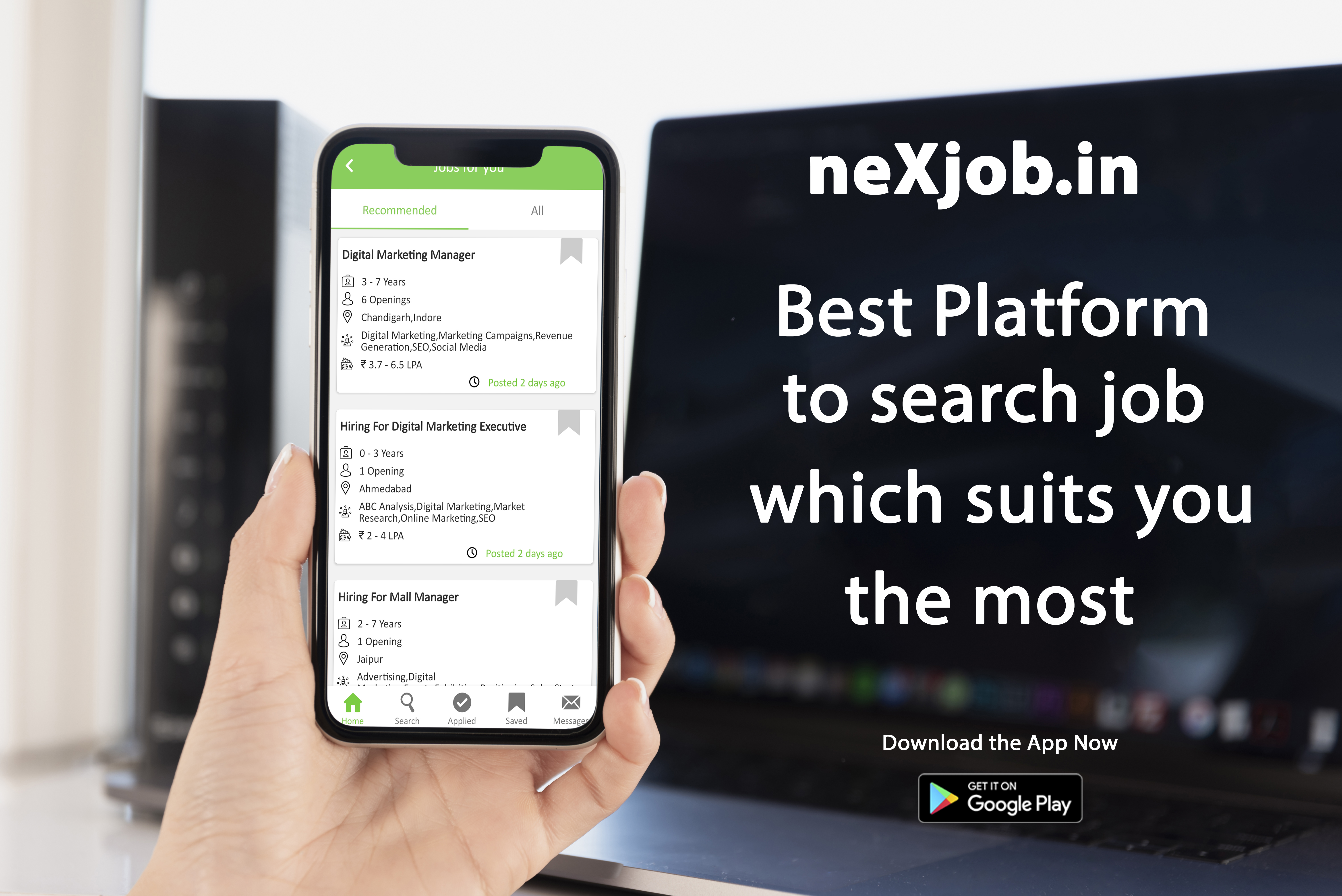
Application Developer jobs available on neXjob.in.
Apply to Application Developer, Web Developer, Entry Level Developer and more.https://www.nexjob.in/job-details/Application-Developer/OTY3OQ==

The world of Android is expanding and we are getting more and more connected.
Hence, the developer needs to learn the nuts and bolts of Android in order to get qualified for the high paying job.
Here, are the skills that Android Developer need to learn to get ahead in his/her career.