



In the world of fitness, there’s a common fear among those who lift weights and focus on hypertrophy: that adding cardio to their routine will sabotage their hard-earned muscle. The myth that cardiovascular training inevitably leads to muscle loss has lingered for years. However, the truth is more nuanced—and far more optimistic.
Yes, it's entirely possible to boost cardiovascular fitness without sacrificing muscle mass. In fact, when done right, cardio can complement your strength training, improve overall athletic performance, and even enhance recovery. The key lies in balancing the type, intensity, and timing of your workouts—while also supporting your hormonal health, nutrition, and recovery.
Let’s dive into how you can improve your heart and lung capacity while preserving (and even growing) lean muscle.
The Science Behind Muscle Loss and Cardio
Muscle loss during cardio, known as “catabolism,” typically occurs when the body is in a calorie deficit and lacks sufficient protein intake, rest, or hormonal support. Extended, high-intensity, or poorly fueled cardio sessions can cause the body to break down muscle tissue for energy.
However, muscle preservation isn’t just about limiting cardio—it’s about doing it smarter. The balance comes from understanding energy systems, nutrient needs, and the hormonal environment required to maintain lean mass.
Choosing the Right Type of Cardio
One of the most effective strategies for boosting cardiovascular endurance while retaining muscle is to focus on low-impact, high-efficiency training modalities.
High-Intensity Interval Training (HIIT) is a top choice. It alternates between short bursts of intense activity and periods of rest or low-intensity movement. HIIT is known to improve VO2 max, burn fat, and elevate post-exercise oxygen consumption (EPOC), which means you burn calories long after the workout ends.
More importantly, HIIT tends to spare muscle. Unlike long, steady-state cardio (think 60-minute jogs), HIIT doesn’t send your body into a prolonged catabolic state. Instead, it triggers hormonal responses that actually support muscle maintenance, such as elevated testosterone and growth hormone (HGH) levels.
Zone 2 training—which involves exercising at 60–70% of your maximum heart rate—is another great option. This steady but moderate-intensity cardio promotes fat oxidation, builds aerobic endurance, and is gentle enough not to interfere with muscle recovery.
Timing Matters: Cardio and Strength Training Coexist
To minimize interference between strength and cardio, it's crucial to manage timing and sequence.
If your primary goal is to preserve or build muscle, lift weights first and perform cardio afterward, or separate the sessions entirely by several hours or even alternate days. This sequencing ensures your body is primed for strength performance and doesn’t enter your resistance workout already fatigued from aerobic activity.
Moreover, when training twice a day or in close succession, ensure your nutrition supports both sessions—especially post-workout meals, which should be rich in protein and complex carbs to support glycogen replenishment and muscle repair.
Hormonal Optimization and the Role of HGH
Maintaining hormonal balance is essential for minimizing muscle loss during cardiovascular training. Key anabolic hormones such as testosterone, insulin-like growth factor 1 (IGF-1), and human growth hormone (HGH) play major roles in preserving muscle tissue and aiding recovery.
HGH, in particular, is responsible for stimulating tissue growth, increasing muscle mass, and promoting fat metabolism. The good news is that both resistance training and properly executed cardio—especially HIIT—can elevate natural HGH production.
For individuals seeking additional support, HGH supplements may be considered as part of a comprehensive program. These typically include amino acids like arginine, ornithine, and glutamine, which help stimulate HGH release. When used responsibly, HGH supplements can enhance recovery, protect lean mass, and support cardiovascular function.
Nutrition: Your Muscle-Saving Tool
Cardio doesn’t cause muscle loss on its own. More often, muscle loss occurs because of caloric deficits, poor macronutrient distribution, or inadequate recovery.
To prevent this, ensure that you're consuming:
Pre- and post-workout meals play a vital role too. Eating a protein- and carb-rich snack before cardio ensures you have the fuel to push through the session without tapping into muscle stores. After training, replenishing glycogen and supporting muscle repair with a balanced meal is essential.
Recovery: The Unsung Hero of Fitness
Recovery is where the real transformation happens. Whether your focus is on cardiovascular conditioning, muscle growth, or both, sleep, hydration, and stress reduction are key.
During deep sleep, the body releases the highest amounts of HGH, which facilitates tissue repair and regeneration. Lack of sleep not only reduces recovery quality but also skews cortisol and testosterone levels, both of which can compromise muscle retention.
If you’re pushing your limits with high-volume training, consider incorporating active recovery days, massage, stretching, or even yoga. These promote circulation, ease soreness, and allow for consistent performance in both strength and cardio training.
Signs You’re Losing Muscle (and How to Fix It)
If you're adding cardio to your routine and begin to notice:
…you may be flirting with muscle catabolism.
Fixes include:
The Big Picture: Conditioning and Strength Can Coexist
Improving cardiovascular fitness while maintaining (or even building) muscle is not only possible—it’s optimal for health, aesthetics, and performance. It enhances oxygen delivery to muscles, improves heart health, speeds recovery, and makes your body more efficient.
The key lies in combining strategic programming, smart recovery, supportive nutrition, and a hormonal environment that favors muscle preservation. Understanding how the body adapts and responds to different stimuli allows you to create a routine that supports both endurance and muscular development. So, go ahead—run, cycle, row, or sprint. Just don’t forget to lift, eat, rest, and support your system with tools like human growth hormone for men when needed. You can have the lungs of a marathoner and the muscle of a lifter, all in one body.


Do your suppers address their issues?
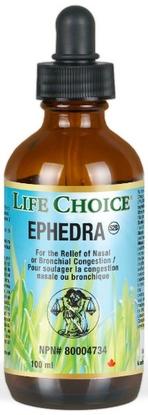
You can provide them with supplements as well.Products from Ephedrine Brands can be of great help to their health.
The most important vitamins and minerals that your children's needs are:Fiber Fiber isn't a vitamin or mineral, yet foods that are high in fiber additionally will, in general, be stuffed with numerous vital supplements, similar to vitamin E, vitamin C, calcium, magnesium, and potassium.
Foods high in fiber incorporate berries, broccoli, avocados, and cereal.
Another wonderful wellspring of fiber is any bean, for example, naval force, pinto, red, or kidney beans, or chickpeas.
Calcium Calcium is the principal building square of bones and teeth.