


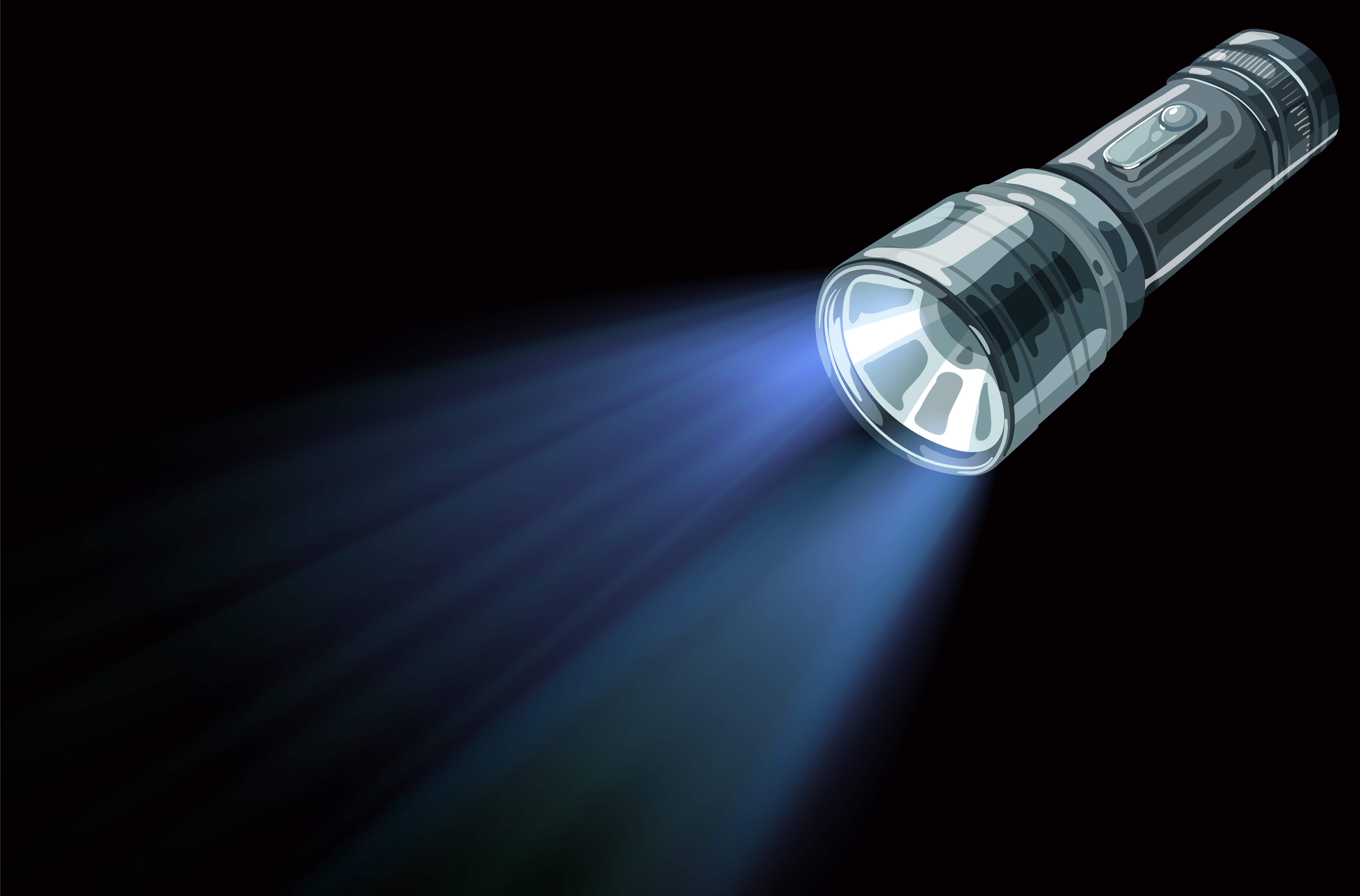
When shopping for a flashlight, you’ll notice one number stands out: lumens. But what exactly are lumens, and how many do you really need?
Most people think more lumens automatically means better. But that’s not always true. The right amount of brightness depends on how and where you plan to use the light. Whether it's for your glove box, camping gear, or everyday carry, knowing what lumens actually mean can help you make a smarter choice.
And when it comes to compact lighting, many users now prefer a pocket flashlight rechargeable model or an EDC flashlight that’s easy to carry, reliable, and powerful enough for any quick situation.
What Are Lumens, Anyway?
Lumens measure brightness — or more accurately, the total amount of visible light a source gives off. The higher the lumen rating, the brighter the flashlight.
Unlike watts, which measure power usage, lumens tell you how much light is coming out the front of your flashlight. Think of it like this:
● A candle: about 12 lumens
● Your phone’s flashlight: roughly 40–50 lumens
● A typical LED flashlight: 100 to 1000+ lumens
So, lumens matter. But they’re only part of the picture.
How Many Lumens Do You Need?
This depends entirely on what you’re doing. Here's a simple breakdown to help guide you:
● 20–100 lumens: Perfect for reading, close-up tasks, and finding keys
● 100–300 lumens: Good for indoor use, walking at night, and general EDC
● 300–1000 lumens: Great for hiking, night repairs, or lighting up a larger area
● 1000+ lumens: For search and rescue, spotting at long distance, or tactical use
For example, if you're picking an EDC flashlight, 150–300 lumens is usually enough. It gives you solid brightness without draining the battery too quickly or blinding anyone.
On the other hand, a pocket flashlight rechargeable version with 800 lumens might be better for more demanding tasks like outdoor work or emergencies. You want flexibility, especially in unpredictable situations.
The Difference Between Brightness and Usability
While lumens tell you how bright the light is, it doesn't tell you how the beam looks. Beam pattern, lens design, and reflector shape all play a role. Two flashlights with the same lumen rating can feel very different.
A focused beam works well for distance. A wide beam is better for area lighting. Many modern flashlights let you switch between modes. So you’re not stuck with just one brightness or one beam type.
Why Size Matters with Portable Lights
A key reason why EDC flashlight models are popular is because of their size. They’re compact and light but still powerful. They fit in your pocket or bag and can be used for daily tasks, small fixes, or emergencies.
The same goes for any pocket flashlight rechargeable option. You want it to be light enough to carry around, but not so weak that it’s only useful indoors.
Just remember - ultra-bright flashlights often come with trade-offs. Higher lumens mean faster battery drain and more heat. So if you're going above 1000 lumens, it’s good to have a flashlight that can manage heat well and offers different brightness levels.
Understanding Battery Options
Here’s where things get interesting. The battery setup can change your flashlight experience completely.
Rechargeable flashlights are more common now. They save money and reduce waste. But not all of them are equal. Some have sealed internal batteries, which are only good for casual use or beginners. When those batteries stop holding a charge, you can’t replace them. The entire unit becomes useless.
This is why professionals and outdoor lovers often look for flashlights that use replaceable rechargeable batteries with a built-in charging port. These lights give you the best of both worlds — you can recharge them like normal, but also carry spare batteries to swap in when needed.
That means no waiting for a recharge in the middle of a job or hike. Just swap the battery and keep going.
Don’t Rely on Lumens Alone
Here are a few other things to consider when choosing a flashlight:
● Runtime: How long will it last on one charge or set of batteries?
● Build Quality: Is it water-resistant? Shockproof?
● Size and Weight: Will it fit in your pocket or feel bulky?
● Interface: Can you switch brightness levels easily?
Lumens are important, but they don’t tell the whole story. Two flashlights can have the same lumen rating but behave very differently depending on how they were built.
Also, having multiple brightness levels is a big plus. You don't always need the full power, and lower modes save battery and reduce eye strain.
What’s the Ideal Choice for Everyday Use?
If you're after something simple and reliable, an EDC flashlight with 200 to 500 lumens and a rechargeable battery is often the best choice.
If you're more active outdoors or want an emergency backup, a higher-lumen pocket flashlight rechargeable with multiple brightness settings and replaceable batteries will give you more flexibility and long-term value.
These flashlights usually come with USB charging ports and spare battery options — a smart feature that allows you to avoid getting stuck in the dark.
Final Thoughts
Knowing what lumens are - and how much brightness you need — can save you money, time, and frustration. Not all flashlights are built the same. Bigger numbers don’t always mean better performance.
If you choose wisely, even a small flashlight can become one of your most used and trusted tools. And if you’re going rechargeable, make sure it allows for replaceable rechargeable batteries. That way, when the battery wears out, you can keep using the flashlight instead of throwing it away.
Stick to what fits your needs. Pick the right size. And don’t be fooled by numbers alone.


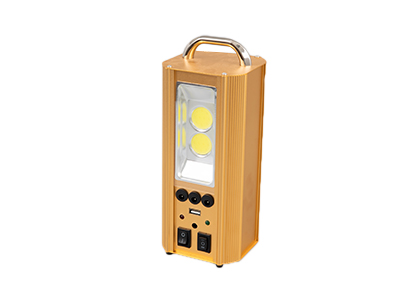
SpecificationOUTDOOR SOLAR LIGHTING SYSTEM1)Material:Aluminium and Plastic2)With 2pcs*5W COB light3)6V/4.5Ah sealed lead-acid battery4)Input voltage: AC110-240V or DC9V/3W solar panel5)Recharging time:AC power about 15hours ;Solar:10~15 hours6)Emergency duration:COB light:15~20 hours (HIGH) ,45~50hours(LOW) ;1 light bulb 40~45hours;2 light bulbs 30~35hours;3 light bulbs 20~25hours;7)With USB mobile charger,with overcharge protection