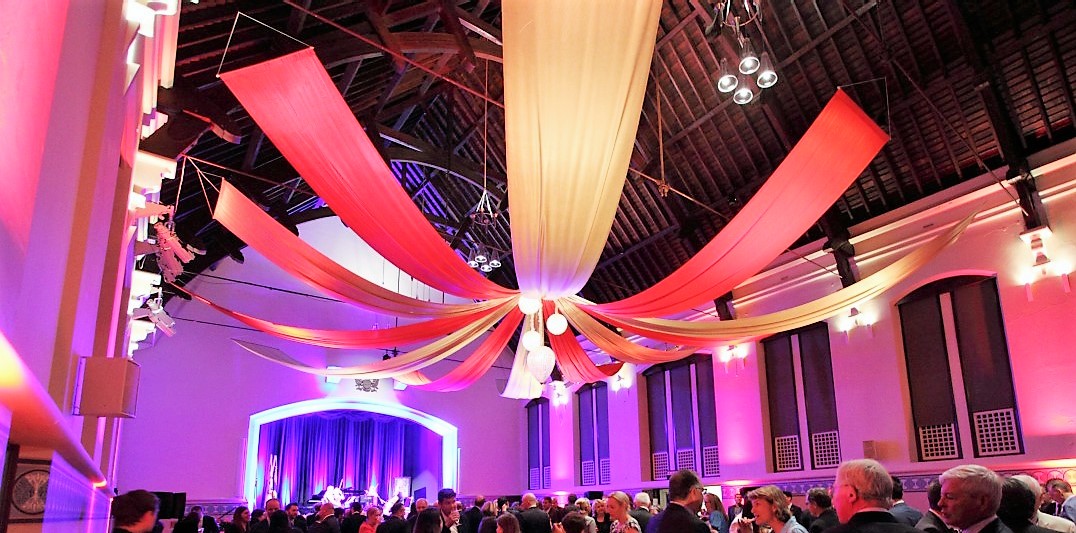
Event planning involves paying attention to innumerable details, but few are as readily apparent to guests as the audio-visual (AV) aspects. When this is functioning well, it adds to the overall experience, enabling messages to be effectively conveyed and establishing the intended ambience. But when problems occur, they can become the first thing that comes to mind when recalling your event. Seeking professional audio visual hire in Perth can help event planners steer clear of common pitfalls by providing the right solutions and assistance.
Underestimating technical needs
The most common error event coordinators commit is underestimating the technical needs of their space and occasion. Every space has specific acoustics, lighting requirements and layout factors that have a direct bearing on AV performance. What served beautifully in one location could be utterly inadequate in another, even though the events may look the same on paper. Allowing time to fully evaluate the technical aspects based on the particular characteristics of the venue can avoid a lot of trouble before it ever happens.
Inadequate testing time
Rushing the setup and testing of equipment is a formula for disaster. Most event planners schedule minimal setup time without room for error or adjustment. Professional technical personnel always stress thorough testing of all systems far in advance of the arrival of guests. This includes testing microphones, speakers, projectors, screens, lighting and other equipment that will be employed throughout the event to ensure all functions precisely as intended.
But even the best PA sound system hire can't make up for speakers who are unsure about how to work microphones or manage digital presentations. Most speakers have little idea how to operate AV equipment, resulting in the usual problems of holding microphones upside down, standing too far from podium mics, or having trouble with presentation controls. Spending a few minutes teaching them how to use equipment and issuing simple instructions can significantly enhance their presentation and avoid humiliating technical interruptions.
Sound problems can easily sabotage an otherwise flawless event. Some typical issues are feedback, dead zones within the space where sound is not audible, too low volume that people cannot hear, or too loud sound that is uncomfortable for listeners. These are usually caused by misplacement of speakers, lack of equipment for the venue size, or poor sound checks. Experienced audio experts know how to mix sound across various venue conditions so that all attendees enjoy a good listening experience.
Forgetting about accessibility
Most events do not consider accessibility needs when making AV arrangements. Failing to do so can prevent those with hearing or sight impairments from being able to enjoy the event fully. Considerations may include issuing assistive listening devices, having visuals large enough for them to be visible from everywhere, and including captions on video usage. Opening your event up to all attendees is showing consideration and openness, making it more enjoyable for everyone.
Cable management disorganisation
Untidy cables are both a safety risk and a visual issue at events. Exposed cable causes tripping risks and a poor professional impression. Cable management involves the right coverings, routing out of traffic zones, and connection securing to avoid accidental disconnections. Professional AV firms focus on this part of the installation, employing cable trays, gaffer tape, and other measures to keep wiring neat, concealed and in place.
Neglecting backup systems
Technical gear may malfunction even after extensive testing and planning. Events without a plan B for essential AV elements risk significant disruptions if they fail. Redundant backup systems for main elements such as microphones, projectors, or playback equipment offer vital insurance against unforeseen breakdowns. Having spare batteries, power cords, adapters, and other accessories on hand can also remedy minor problems before they escalate into major ones.
Miscommunication between technical staff and event planners creates numerous avoidable problems. When planners fail to express their vision, timeline adjustments, or unique needs clearly, the technical team is unable to prepare. Having open lines of communication and regularly scheduled check-ins guarantees that all parties know what to expect and can discuss any issues prior to them affecting the event. The ideal events involve smooth working relationships between AV professionals and planners.
Neglecting ambient conditions
Environmental conditions have a large effect on AV performance but are often not considered in planning. Sunlight entering windows can bleach out projections, and heating and cooling systems may generate background noise that competes with speakers. Weather conditions for outdoor events pose other challenges that need special equipment and backup plans. Anticipating these considerations during site visits and planning can avoid unpleasant surprises during the event.
Organising an effective event involves careful consideration of audio-visual aspects that aid your objectives and facilitate the attendee experience. By being aware of, and learning from, these common pitfalls, you can guarantee the technical elements enhance instead of undermine your event. Spending time in adequate planning of AV requirements, engaging with skilled professionals, and making time for testing will ensure a smooth, professional functioning of your event. Keep in mind that the ideal installation is the one that audiences hardly even know exists because it functions seamlessly to present your content and create the perfect mood.




Want Effective And Professional Carpet Cleaning Service In Perth?
Hire Expert well-trained For Carpet Cleaning In Perth Today!