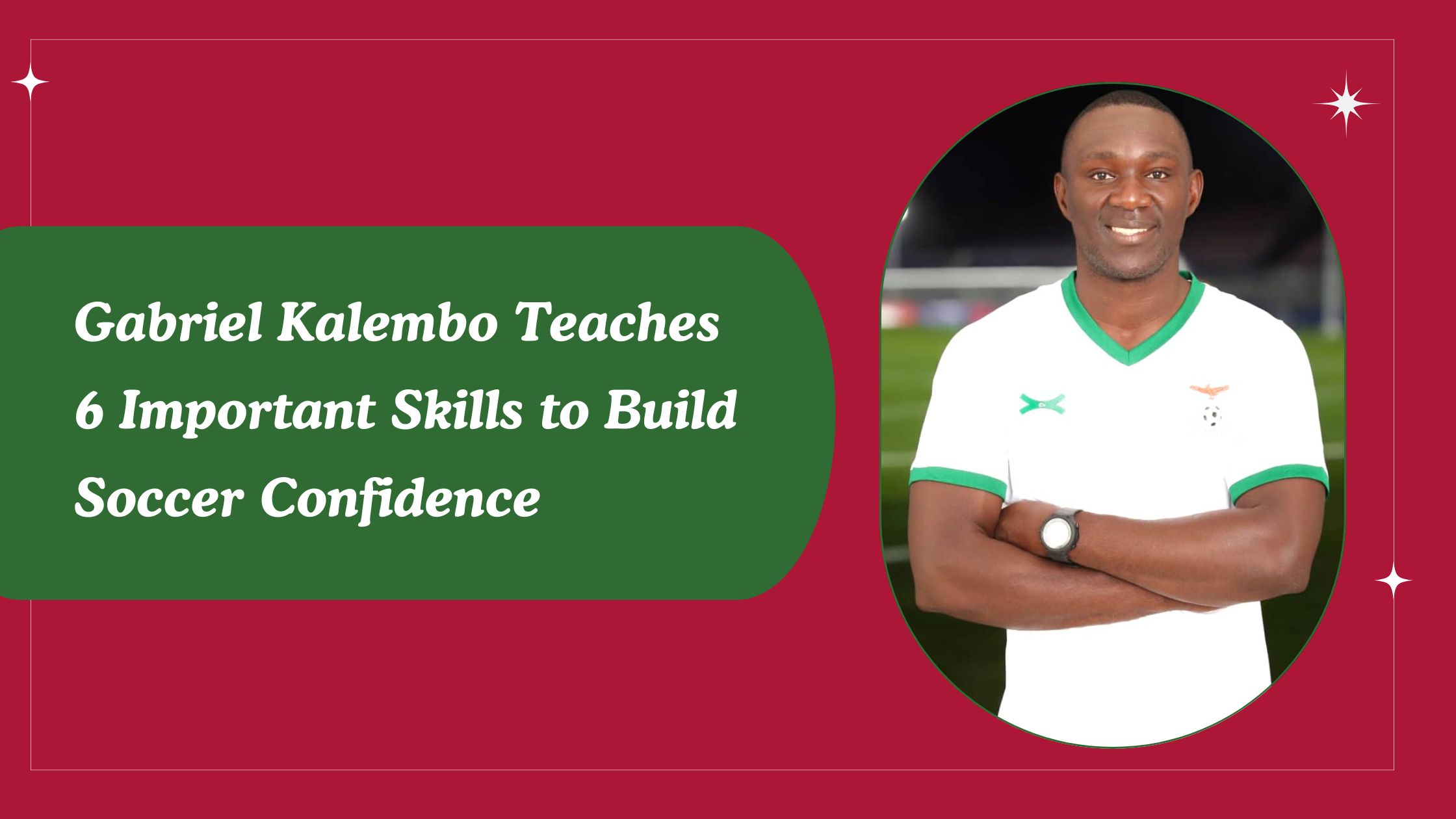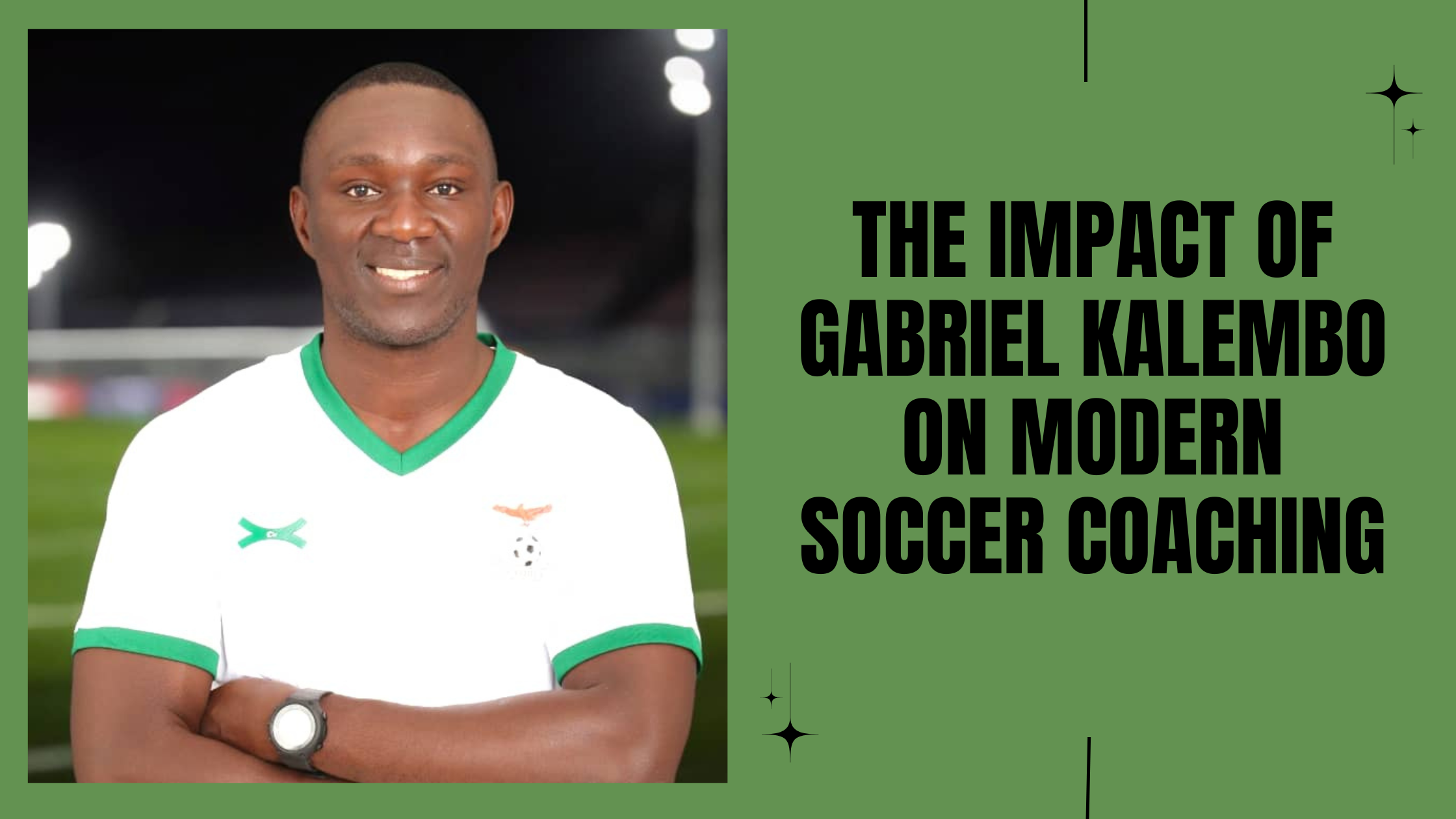


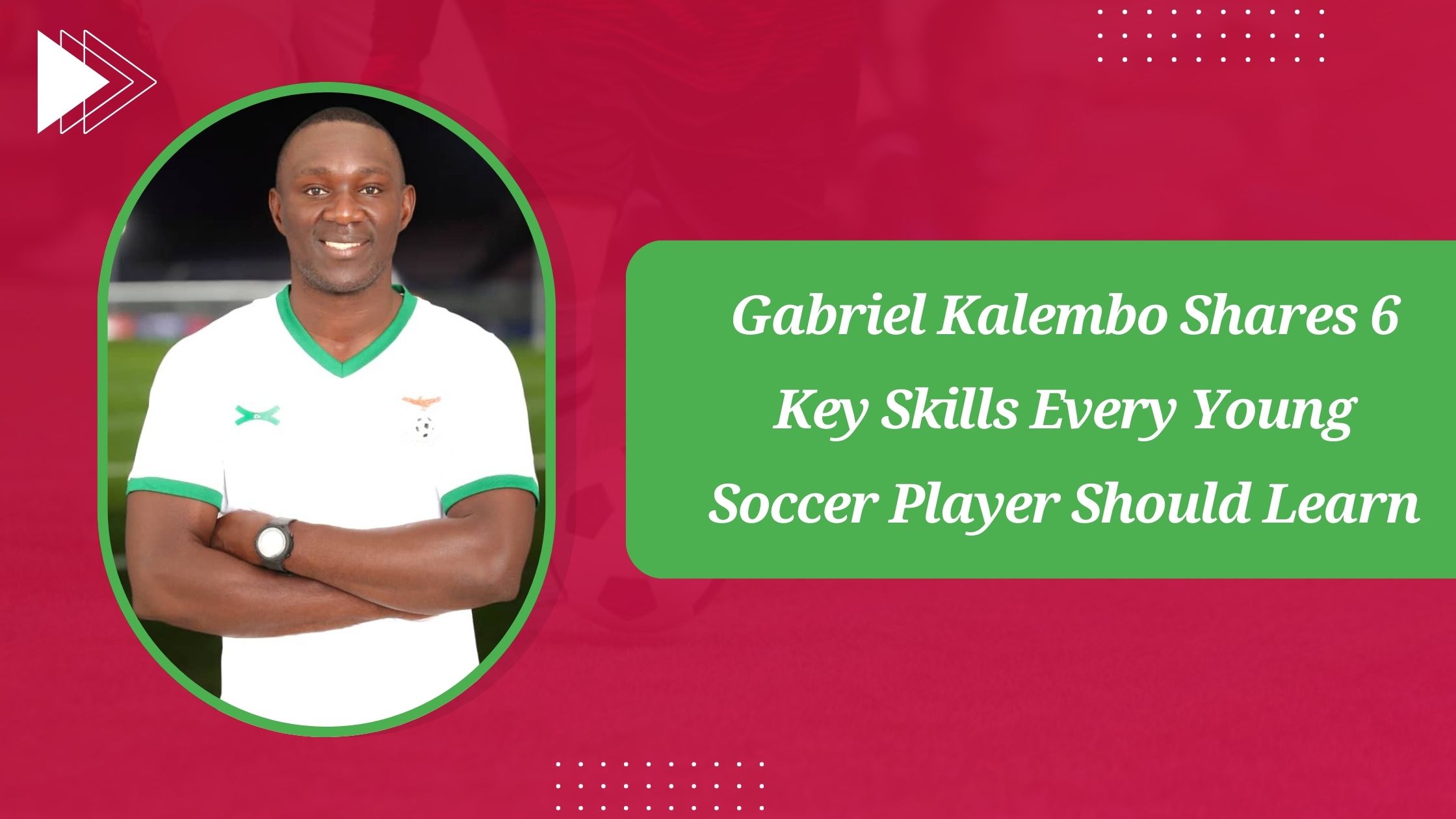
Gabriel Kalembo is a dedicated soccer coach and the founder of RMG Futball Academy. With years of experience in the sport, both as a player and a coach, Gabriel Kalembo focuses on helping young players learn the right way from the very beginning. At his academy, he works closely with young athletes to teach the basic skills of soccer and help them become disciplined and team-minded players.
Here are 6 key skills that every young soccer player should learn to build a solid foundation in the sport.
1. Ball Control
Ball control is one of the first things every soccer player should learn. He teaches young players how to control the ball with both feet, stop it quickly, and move it in different directions. Learning to control the ball helps players make better decisions during games and stay confident when under pressure. Good ball control also makes it easier to pass, shoot, and dribble past opponents.
At RMG Futball Academy, he uses simple drills to help players improve their touch and movement. These exercises help players become more comfortable with the ball, which is the first step in playing the game well.
2. Passing
Passing is an important part of team play. He teaches players how to make short passes, long passes, and quick one-touch passes. He explains the importance of timing and direction when passing the ball. A good pass can help a team move forward and create chances to score.
In training, he encourages players to look up before passing and to talk to their teammates. This helps them make better decisions and keeps the team connected during the game.
3. Positioning
Knowing where to be on the field is a key part of playing soccer. He helps young players learn how to position themselves based on where the ball is and what’s happening in the game. Good positioning helps players support their teammates, defend better, and create space.
He teaches players to always be aware of their surroundings. He helps them understand how to move without the ball and how to stay balanced as a team. This skill takes time to learn, but it can make a big difference during matches.
4. Communication
Soccer is a team sport, and communication is important. He encourages his players to speak clearly and support each other on the field. Simple phrases like “man on,” “pass,” or “switch” can help players stay organized and avoid mistakes.
Learning to communicate helps players become better teammates. It also builds confidence, which is important for young athletes as they grow in the sport.
5. Physical Fitness
To play well, players need to be strong and active. He includes fitness training in his sessions to help young athletes build stamina, speed, and strength. This helps them stay sharp throughout the game and avoid injuries.
He also teaches the importance of warm-ups, cool-downs, and regular exercise. Staying fit helps players perform better and recover faster after training or matches.
6. Discipline and Teamwork
He believes that discipline is just as important as skill. He teaches players to arrive on time, follow instructions, and respect coaches and teammates. These habits help players stay focused and improve faster.
Teamwork is also a big part of his training. He reminds players that soccer is not about one person but about the whole team working together. When players support each other, they can reach their goals more easily.
Gabriel Kalembo’s focus on the basics helps young soccer players grow step by step. By learning these six key skills, players become stronger, smarter, and more confident both on and off the field. His approach at RMG Futball Academy prepares young athletes not just for the game, but for challenges in everyday life as well.