

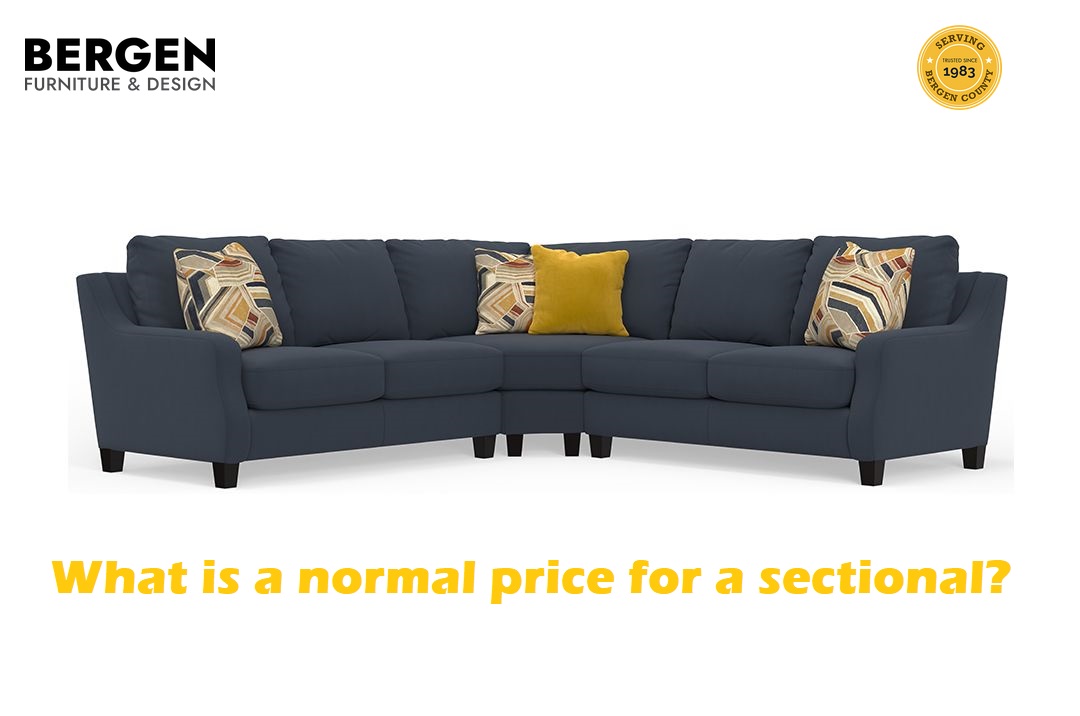
When you're shopping for a sectional sofa, it's easy to feel overwhelmed by the wide range of prices. From budget buys at big-box retailers to high-end designer pieces, sectionals can range anywhere from a few hundred dollars to several thousand. So, what’s considered a normal price for a sectional?
The answer depends on several factors, including the size, material, brand, and features of the sectional. Let’s break it down to help you understand what to expect when shopping and how to get the best value for your money.
Understanding the Price Range for Sectionals
A sectional sofa typically costs between $1,000 and $3,000 on average. However, it’s not uncommon to see prices outside of this range depending on the specifications.
Here’s a general breakdown:
Budget Sectionals: $400 – $1,000
Mid-Range Sectionals: $1,000 – $3,000
High-End Sectionals: $3,000 – $10,000+
Each category serves different needs and expectations. Let’s dive into what sets them apart.
Budget Sectionals ($400–$1,000)
Sectionals in this range are typically smaller and made from lower-cost materials like faux leather, basic polyester fabric, or engineered wood frames. You can find them at major retailers like NJ Furniture Mart, Hooker Furniture, or Bergen Furniture and Design.
Pros:
- Affordable price point
- Decent for short-term use or smaller spaces
- Easy to assemble
Cons:
- May lack durability and long-term comfort
- Limited design and customization options
- Shorter warranty periods
This price tier is ideal for students, renters, or anyone furnishing on a tight budget.
Mid-Range Sectionals ($1,000–$3,000)
This is where you’ll find the sweet spot for most buyers. Mid-range sectionals typically offer a good balance of quality, design, and durability. Expect features like kiln-dried hardwood frames, high-density foam cushions, and upholstery options including microfiber, linen, or genuine leather blends.
Pros:
- Better build and comfort
- Longer-lasting with better materials
- Available in more styles and configurations
Cons:
- May not include luxury finishes or custom options
- Still mass-produced in many cases
Brands like Hooker Furniture, Bernhardt, and Vaughan Bassett offer a variety of mid-range sectional options. These sectionals work well in family homes, apartments, or anyone looking for a long-lasting investment without going ultra-luxury.
High-End Sectionals ($3,000 and Up)
Premium sectionals are often handcrafted, made to order, and constructed using high-end materials such as top-grain leather, solid hardwood, and designer fabrics. You’ll find these in luxury furniture stores or designer showrooms.
Pros:
- Superior craftsmanship and materials
- Customizable designs and sizes
- Long-lasting and ultra-comfortable
Cons:
- Expensive upfront cost
- Longer wait times for custom orders
If you’re furnishing your forever home or want a show-stopping piece that’s functional and stylish, high-end sectionals are worth the investment.
Factors That Affect the Price of a Sectional
Knowing the general pricing tiers helps, but to understand why one sectional is more expensive than another, consider the following:
1. Size and Configuration
A small two-piece sectional will cost less than a large U-shaped sectional with five or more pieces. Modular sectionals also tend to be more expensive because of their flexibility and customizability.
2. Materials Used
Frame: It built from solid hardwood tend to be more durable and come at a higher cost compared to those made from metal or composite wood.
Upholstery: Leather (especially top-grain or full-grain) is more expensive than fabric. Among fabrics, natural fibers like linen or cotton cost more than synthetics like polyester.
Cushion Fill:
High-density foam, memory foam, or feather-down fill increases both comfort and cost.
3. Design and Features
Features like recliners, chaise lounges, storage compartments, built-in cup holders, or sleeper sofa functions will raise the price. So will intricate designs, tufting, or unique leg styles.
4. Brand and Reputation
Designer brands or well-established furniture makers often charge more due to their reputation, craftsmanship, and warranty coverage.
How to Find the Best Sectional for Your Budget?
Here are a few tips to ensure you’re getting good value regardless of your price range:
• Set a Realistic Budget
Determine how much you can spend before shopping. This helps narrow your options and prevents impulse buys.
• Measure Your Space
Avoid costly returns by measuring your room and ensuring the sectional will fit comfortably.
• Check the Warranty
Even a budget sectional should come with some type of warranty. Look for at least a 1-year warranty on materials and workmanship.
• Read Reviews
Real customer feedback can give your insight into the sofa’s comfort, durability, and quality over time.
• Shop Sales
Furniture retailers frequently offer deep discounts during holiday sales events. Joining mailing lists can give you a head start on exclusive promotions and limited-time offers.
What Should You Expect to Pay?
To sum up, the average cost of a sectional can vary widely, influenced by factors such as design, construction quality, upholstery, and additional functionalities. If you’re after something functional and stylish that will last for several years, the mid-range category is usually the best option. However, if you’re furnishing on a budget or want top-of-the-line luxury, there are still great choices on both ends of the spectrum.
A sectional is a big investment in your comfort and lifestyle, so take your time to shop smart, compare your options, and choose the one that best fits your needs and home.