




Summary
Discover how wine storage design impacts wine quality. Learn how temperature, humidity, and layout can preserve flavor and enhance your wine experience.
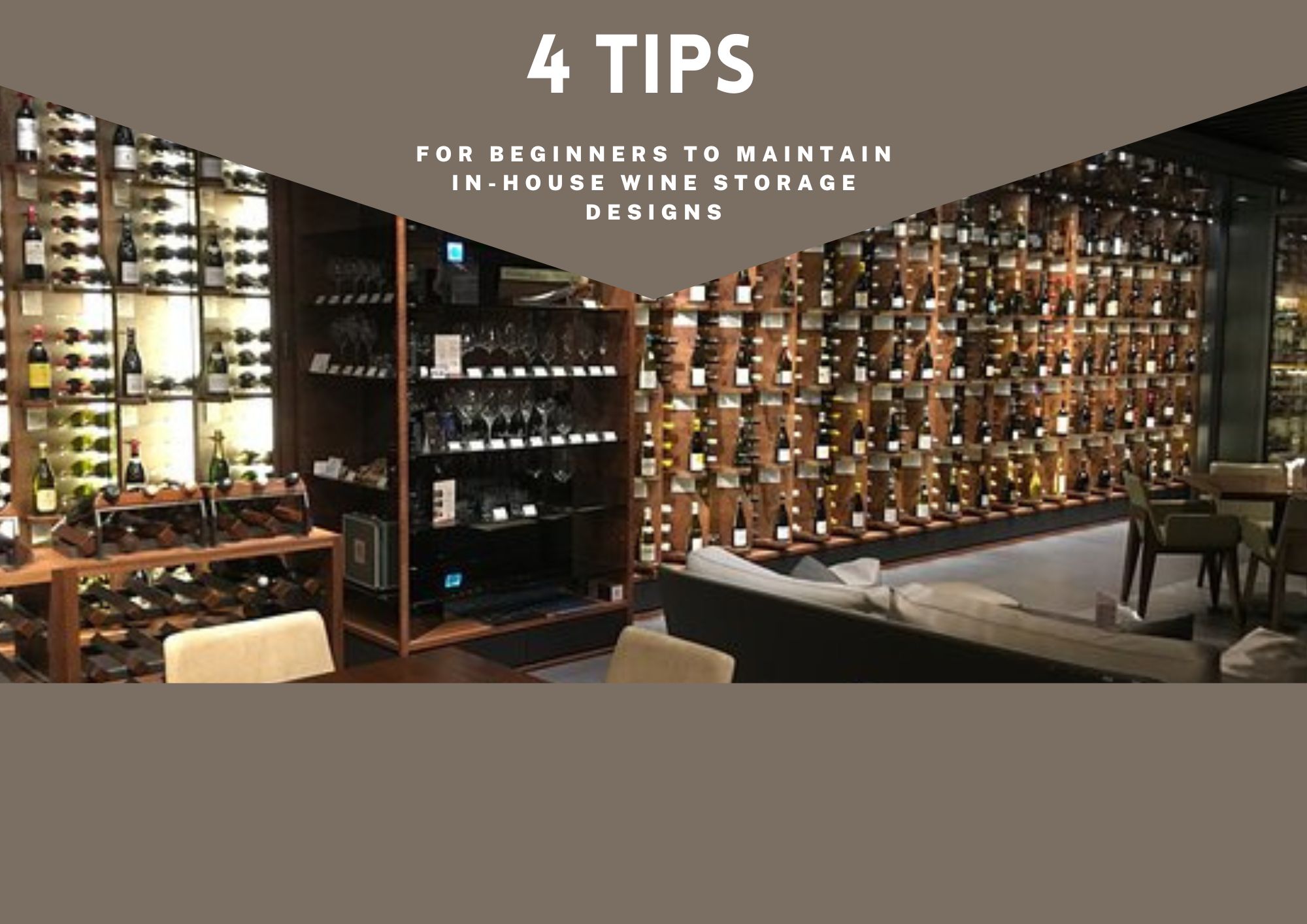
Wine is a delicate product that responds to its environment. Whether you’re storing a few bottles or managing a full cellar, how you design the storage space can make a major difference in the quality, flavor, and longevity of your wine. It's not just about stacking bottles—it’s about creating the ideal conditions for wine to age gracefully. From temperature and humidity to lighting and airflow, each element of wine storage design plays a crucial role. Poor storage can lead to spoiled wine, while proper design enhances every sip.
 Whether you're a casual drinker or a serious collector, understanding the impact of wine storage design can help protect your investment and elevate your wine experience for years to come.
Temperature Control Matters
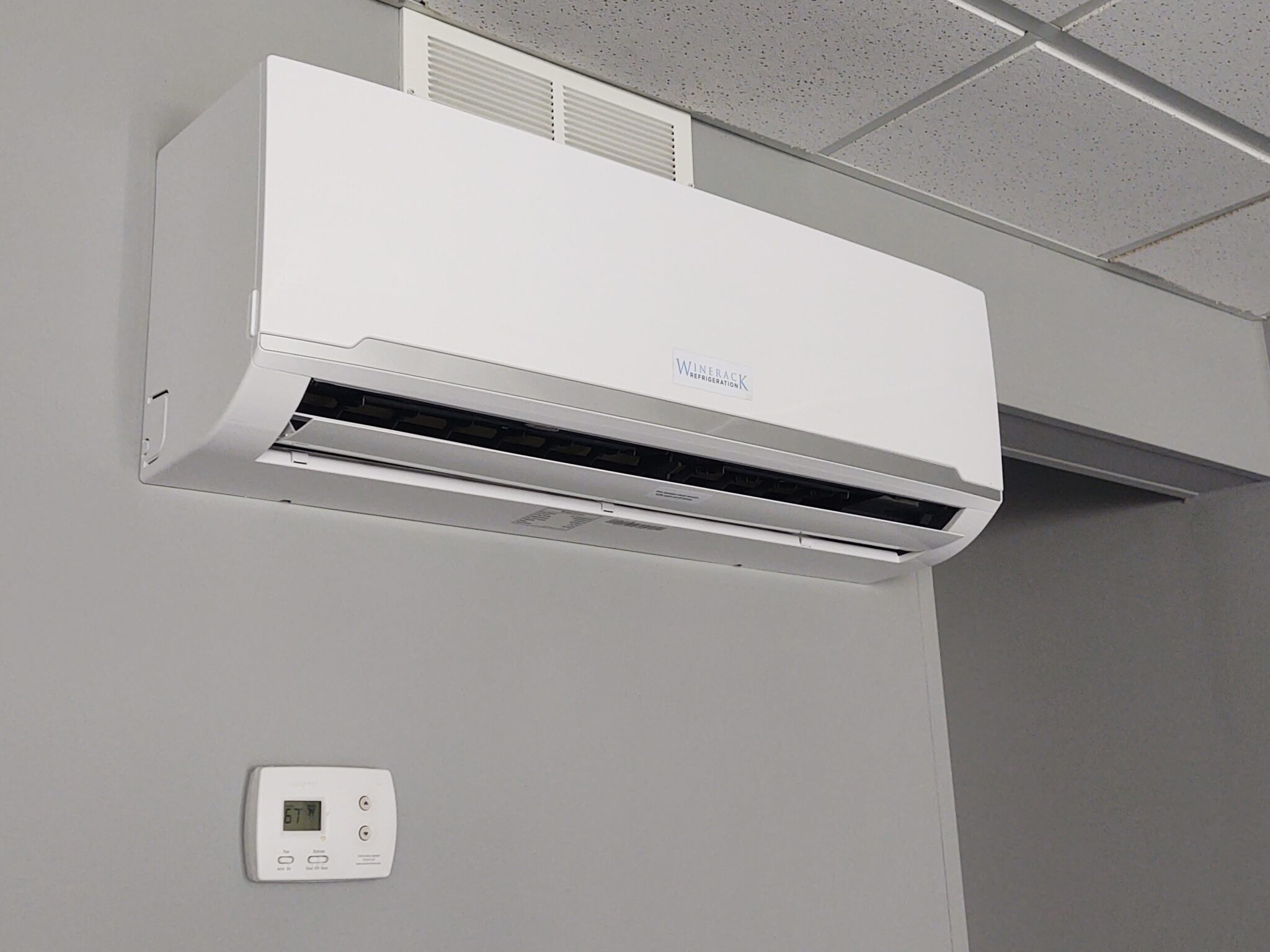
Temperature control is one of the most critical aspects of every wine storage scheme. Wine thrives best in temperatures of 55°F - 58°F. If it gets too hot, wine will age too quickly or get "cooked" in the process, thus losing its flavor and balance. If it gets too cold, the cork could dry out due to prolonged aging. An optimum plan provides protection from such extreme fluctuations by ensuring a consistent and stable environment.
Humidity Keeps Corks Healthy
Humidity helps protect the corks, which in turn protect the wine. Ideally, you would want to keep humidity levels between 60 percent and 70 percent. Excessively dry conditions can cause corks to shrink and let air in, ruining the wine. However, too humid could create mold. Good design includes climate control that creates the right moisture balance.
Vibration-Free Zones
Wine does not like disturbance. Constant vibrations may interfere with the aging process and stir sediments, specifically in the case of old wines. A good design shall avoid placing wine in close proximity to appliances or active areas. Custom shelving, buffered materials, and even location choices will minimize excessive motion.
Lighting Makes a Difference
Light often destroys wine over a long period of time. Sunlight, in particular, initiates a complex series of chemical reactions that develop unpleasant flavors. An established design will, therefore, have low-light or LED light options to protect the bottles while giving a chance to showcase the collection.
Airflow and Ventilation
Air circulation plays an important role in keeping musty odors, molds, and lily molds at bay. Ventilation in a poor sealed environment can address anything from wine label spoilage to affecting the overall conditions of storage. Careful habitual design includes air movement onto the storage to keep fresh air and balance.
Organization and Accessibility
Being able to see, sort, and access your wine makes a huge difference in the way it is enjoyed and cared for: When you can quickly find the right bottle and store it label-out or neck-out, you're minimizing handling and disturbance. This practical element enhances your wine experience and protects the bottles.
Conclusion
Wine is delicate, and storing it properly requires more than just a cool, dark space. Every detail of wine storage design—from temperature and humidity to lighting and layout—affects how well your wine ages and tastes. Whether you're a new enthusiast or a seasoned collector, investing in smart design ensures your wine stays in top condition, bottle after bottle.
About the author
The author is a home design and lifestyle writer with a passion for wine culture. With years of experience in interior planning and storage solutions, they focus on helping readers create functional, stylish spaces. Their insights blend practicality with elegance, making wine storage both effective and visually appealing.
Whether you're a casual drinker or a serious collector, understanding the impact of wine storage design can help protect your investment and elevate your wine experience for years to come.
Temperature Control Matters
Temperature control is one of the most critical aspects of every wine storage scheme. Wine thrives best in temperatures of 55°F - 58°F. If it gets too hot, wine will age too quickly or get "cooked" in the process, thus losing its flavor and balance. If it gets too cold, the cork could dry out due to prolonged aging. An optimum plan provides protection from such extreme fluctuations by ensuring a consistent and stable environment.
Humidity Keeps Corks Healthy
Humidity helps protect the corks, which in turn protect the wine. Ideally, you would want to keep humidity levels between 60 percent and 70 percent. Excessively dry conditions can cause corks to shrink and let air in, ruining the wine. However, too humid could create mold. Good design includes climate control that creates the right moisture balance.
Vibration-Free Zones
Wine does not like disturbance. Constant vibrations may interfere with the aging process and stir sediments, specifically in the case of old wines. A good design shall avoid placing wine in close proximity to appliances or active areas. Custom shelving, buffered materials, and even location choices will minimize excessive motion.
Lighting Makes a Difference
Light often destroys wine over a long period of time. Sunlight, in particular, initiates a complex series of chemical reactions that develop unpleasant flavors. An established design will, therefore, have low-light or LED light options to protect the bottles while giving a chance to showcase the collection.
Airflow and Ventilation
Air circulation plays an important role in keeping musty odors, molds, and lily molds at bay. Ventilation in a poor sealed environment can address anything from wine label spoilage to affecting the overall conditions of storage. Careful habitual design includes air movement onto the storage to keep fresh air and balance.
Organization and Accessibility
Being able to see, sort, and access your wine makes a huge difference in the way it is enjoyed and cared for: When you can quickly find the right bottle and store it label-out or neck-out, you're minimizing handling and disturbance. This practical element enhances your wine experience and protects the bottles.
Conclusion
Wine is delicate, and storing it properly requires more than just a cool, dark space. Every detail of wine storage design—from temperature and humidity to lighting and layout—affects how well your wine ages and tastes. Whether you're a new enthusiast or a seasoned collector, investing in smart design ensures your wine stays in top condition, bottle after bottle.
About the author
The author is a home design and lifestyle writer with a passion for wine culture. With years of experience in interior planning and storage solutions, they focus on helping readers create functional, stylish spaces. Their insights blend practicality with elegance, making wine storage both effective and visually appealing.
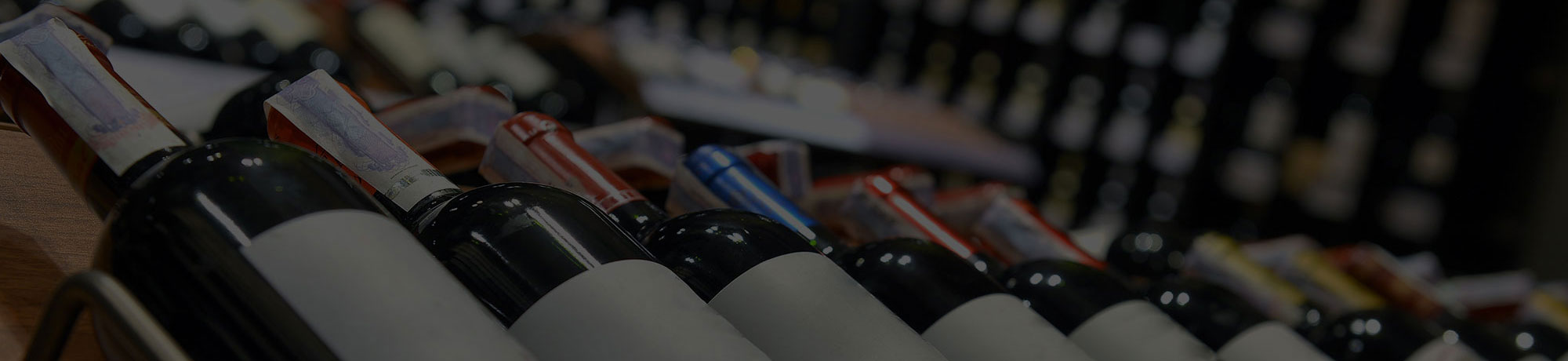
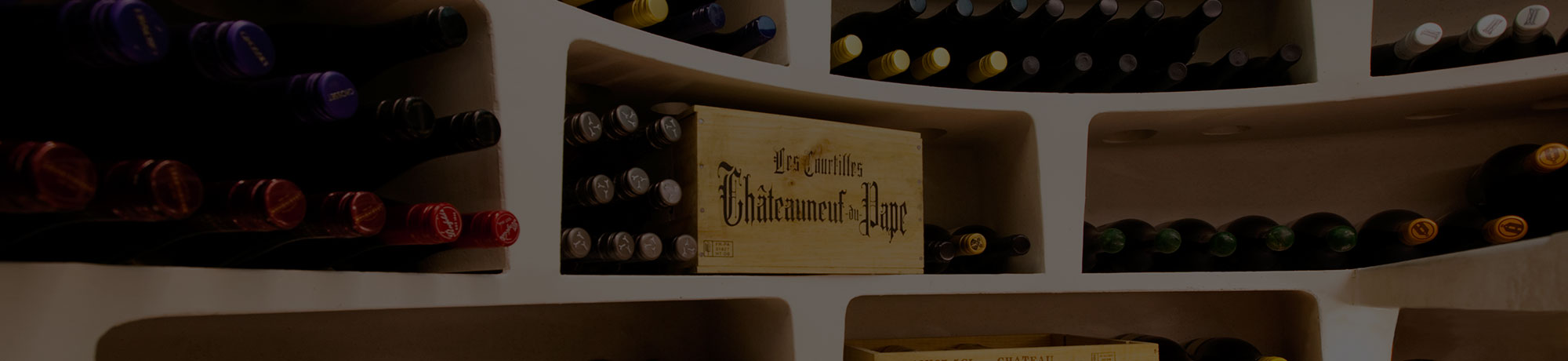
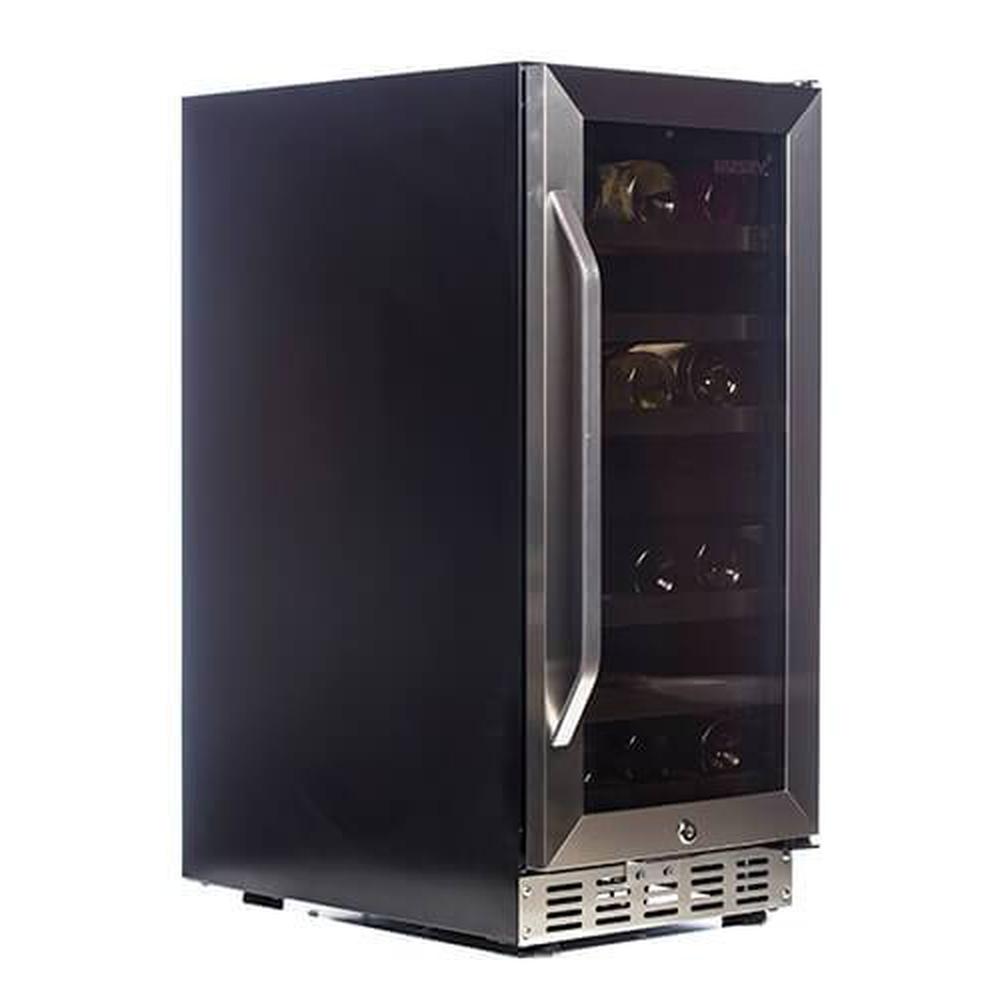
As a wine lover, it’s necessary to consider proper storage.
If you are looking for the free-standing wine cooler for your kitchen area, then you can get it without leaving the comfort of your home from Chilling Wine.