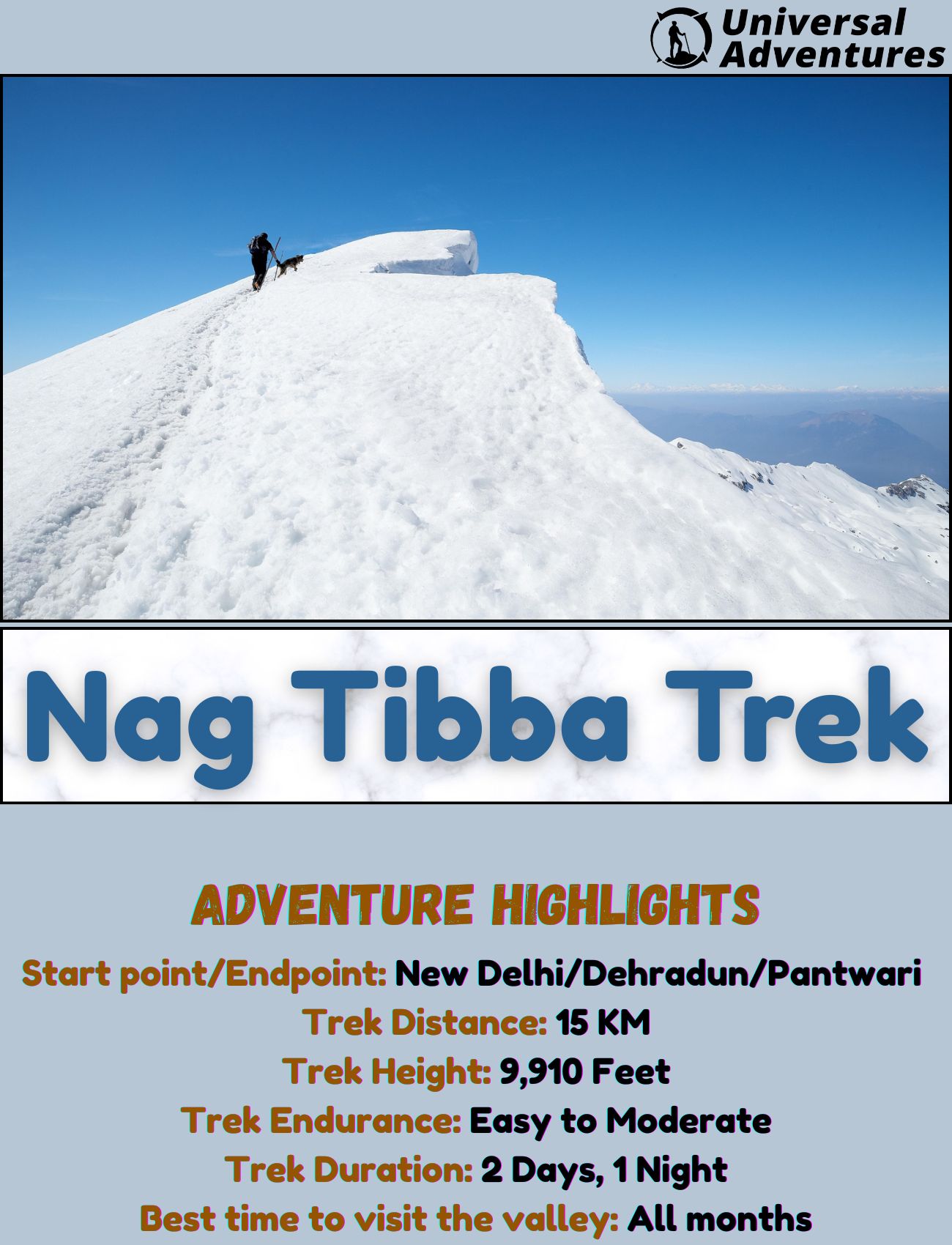
Lace up your boots for this Himalayan adventure, which is nestled in the Garhwal Himalayas of Uttarakhand, and one of the most popular weekend getaways!
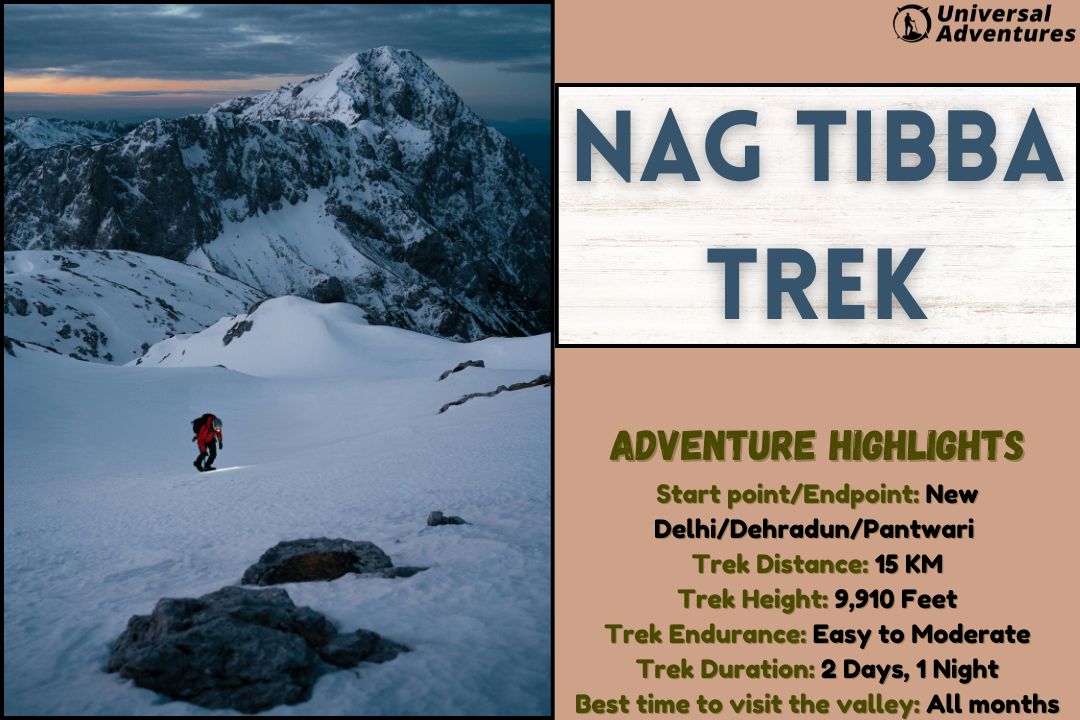
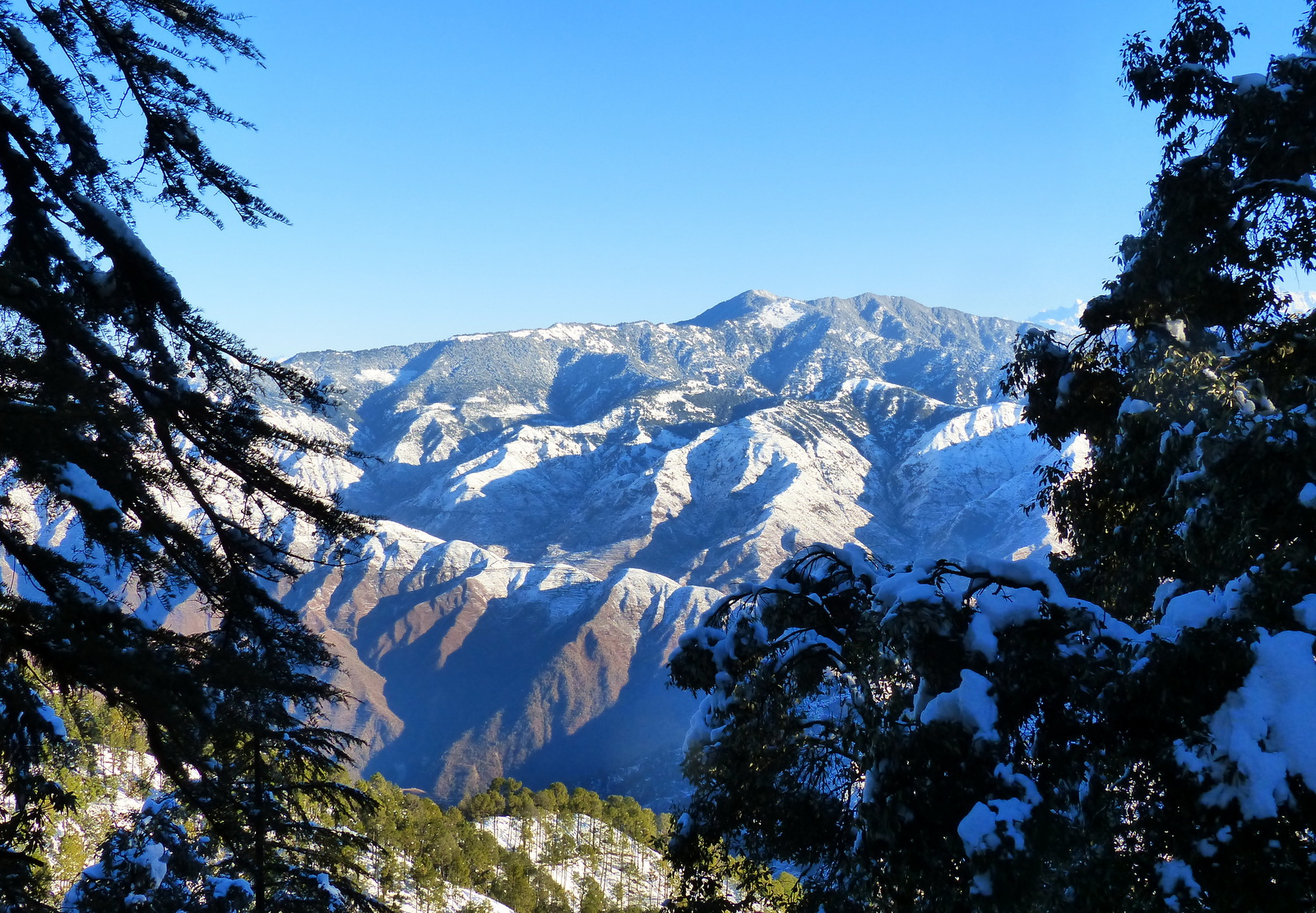
The Nag Tibba Trek, also known as the serpent’s peak, stands tall at 9,915 feet and offers panoramic views of the snow-capped Himalayan ranges. Whether you are a seasoned trekker or looking for a Himalayan side adventure, the Nag Tibba Trek should be at the top of the list.
But before you tie up your boots for this unforgettable adventure, there are some essential things you should know. So let’s read it out for a safer experience!
1. Nag Tibba Trek Distance and Route| Pick Your Favorite!
Get ready to trek through the wild, as the Nag Tibba Trek distance varies slightly depending on the route you choose. There are three primary routes to reach the summit, so here's a breakdown of each:
1. Pantwari Route (Most Popular)
- Starting Point: Pantwari Village (around 90 km from Dehradun)
- Nag Tibba trek distance: Approx. 16 km round trip (8 km one way)
- Highlights: Dense oak forests, ridge walk, views of Bandarpoonch and Swargarohini
- Camping: Near Nag Tibba base camp (around 4 km from Pantwari)
- Best For: Beginners and weekend trekkers due to easy accessibility and short duration
2. Devalsari Route (Scenic & Less Crowded)
- Starting Point: Devalsari Village (about 55 km from Mussoorie)
- Nag Tibba trek distance: Around 14–15 km one way
- Highlights: Dense forest trail, rich birdlife, peaceful surroundings
- Camping: Near the Nag Tibba temple or open meadows
- Best For: Nature lovers seeking solitude and a quieter trail
3. Jangal Chatti / Thatyur Route
- Starting Point: Thatyur village, then via Jangal Chatti
- Nag Tibba trek distance: Approx. 13–14 km one way
- Highlights: Gradual trail, suitable for those coming from the Thatyur side
- Camping: Meadows en route to the Nag Tibba temple areaBest For: Experienced trekkers looking to explore alternate, less commercialised trails
Each route offers its charm, but the Pantwari route remains the most preferred due to its shorter Nag Tibba trek distance and well-supported trail infrastructure.
2. Choosing the Right Nag Tibba Trek Package | Choose Wisely!
Selecting the right Nag Tibba trek package ensures a safe, comfortable, and memorable trekking experience. Here's what to consider while choosing:
What to Look for in a Nag Tibba Trek Package:
- A good Nag Tibba trek package should cover transportation (usually from Dehradun), meals, guide charges, permits, and camping equipment.
- Ensure the package includes certified guides and trek leaders who know the trail well.
- Check if the tent, sleeping bags, and mats are clean and suitable for the season (especially in winter).
- Look for packages that carry first aid kits and have a plan for emergencies.
A well-chosen Nag Tibba trek package will take the stress out of planning and let you fully enjoy the scenic Himalayan adventure.
3. Best Time and Nag Tibba Temperature | Pick Your Suitability!
To know about the climate and temperature is very crucial for a great experience!
The Nag Tibba temperature and overall weather vary with seasons, each offering a unique vibe on the trail. So let’s give a read on which season offers what, and what the challenges are that one has to overcome.
- Spring & Summer (April to June): Want to see the beauty of the Himalayas in clear skies with blooming wildflowers and lush green trails? Then this season is for you, which will fulfill your wish as The Nag Tibba temperature ranges between 18°C to 25°C during the day and 5°C to 10°C at night, making it perfect for beginners and families looking for a pleasant trekking experience.
- Monsoon (July to August): It’s not recommended to go for this adventure in the Monsoon due to heavy rainfall, slippery trails, and the risk of landslides. Although the Nag Tibba temperature stays moderate during this time, the trail conditions become challenging and unsafe, especially for beginners. Visibility may also be low, limiting scenic views and overall enjoyment.
- Winter (December to February): Seeking a true winter adventure with a snowy experience? Then book your slots now in the Nag Tibba Trek package, as in winter it turns into a snowy paradise, with pristine white trails and breathtaking Himalayan views. The Nag Tibba temperature ranges from 5°C to 10°C during the day and can drop to -5°C at night, making it an unforgettable escape to the Himalayas!
4. Nag Tibba Base Camp – What to Expect?
Get ready to experience camping in Nag Tibba base camp, usually set near a scenic clearing about halfway through the trail from Pantwari, where trekkers spend the night before making the final summit push. The camp offers beautiful sunset views, bonfire experiences, and stargazing opportunities.
Facilities at the base camp are basic but cozy. Most packages provide:
- Waterproof tents with sleeping mats and bags
- Hygienic food (hot dinner and breakfast)
- Temporary toilets
Conclusion | A final Reading
With a well-planned Nag Tibba Trek package, awareness about Nag Tibba Trek distance, knowledge of Nag Tibba temperature, and preparation for the Nag Tibba base camp, you're all set for a memorable experience.
The Nag Tibba Trek is a perfect adventure for beginners and nature lovers who are looking for an escape from their busy life into the beauty of the Himalayas!
Also, planning for Char Dham Yatra in 2025? If so, visit Universal Adventures for the Itinerary and FAQs related to the trip!