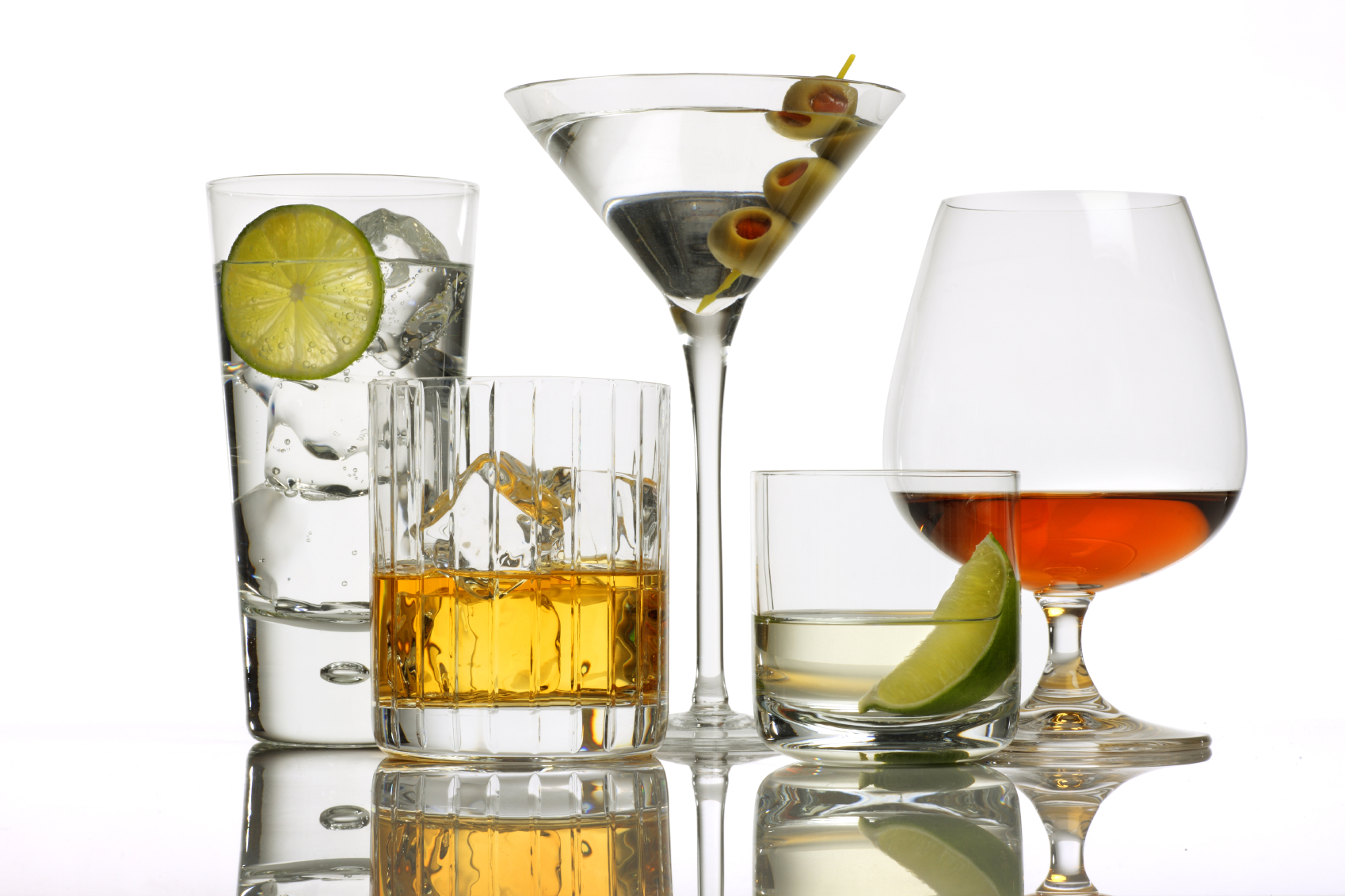
The Global Impact of Alcohol Consumption
Alcohol, one of the most widely consumed psychoactive substances worldwide, has been deeply embedded in human culture for thousands of years. From ancient civilizations to modern societies, alcoholic beverages have played significant roles in religious ceremonies, social gatherings, and cultural traditions. Today, the global alcohol industry generates billions in revenue annually, while simultaneously presenting complex public health challenges. The World Health Organization estimates that approximately 2.3 billion people consume alcohol globally, with varying patterns of consumption across different regions and cultures. This widespread use has profound implications for individual health, social dynamics, and economic systems worldwide.
The Chemistry Behind Alcohol's Effects
When consumed, alcohol (ethanol) follows a complex journey through the human body. It's rapidly absorbed through the stomach and small intestine walls, entering the bloodstream within minutes. Unlike other nutrients, alcohol doesn't require digestion and can quickly cross the blood-brain barrier. The liver metabolizes approximately 90% of consumed alcohol through a two-step process involving the enzymes alcohol dehydrogenase (ADH) and aldehyde dehydrogenase (ALDH). This process transforms alcohol first into acetaldehyde, a toxic compound, and then into harmless acetic acid. The efficiency of this metabolic process varies among individuals due to genetic factors, explaining why some people process alcohol differently than others.
Short-term Physical and Psychological Effects
The immediate effects of Alcohol consumption are well-documented and vary depending on blood alcohol concentration (BAC) levels. At lower levels, individuals typically experience mild euphoria, reduced inhibitions, and increased sociability. As BAC rises, cognitive function becomes increasingly impaired, affecting judgment, coordination, and reaction time. Physical symptoms may include slurred speech, compromised motor skills, and altered vision. The psychological effects can range from temporary mood elevation to significant emotional instability. These short-term effects contribute to alcohol's appeal in social settings but also present immediate risks, particularly regarding impaired judgment and potential accidents.
Long-term Health Implications
Regular alcohol consumption can lead to numerous chronic health conditions. The liver, being the primary organ responsible for alcohol metabolism, is particularly vulnerable to damage, potentially leading to conditions like fatty liver disease, alcoholic hepatitis, and cirrhosis. Chronic alcohol use also increases the risk of various cancers, including those of the mouth, throat, esophagus, liver, and breast. Cardiovascular complications, such as hypertension and cardiomyopathy, are common among heavy drinkers. Additionally, alcohol can significantly impact mental health, contributing to depression, anxiety, and other psychiatric disorders. The relationship between alcohol consumption and mental health is often cyclical, with each factor potentially exacerbating the other.
Social and Economic Consequences
The societal impact of alcohol extends far beyond individual health effects. Alcohol-related problems strain healthcare systems, law enforcement resources, and social services worldwide. Economic costs include lost productivity, healthcare expenses, property damage, and criminal justice system expenditures. Family dynamics are often severely affected, with alcohol abuse contributing to domestic violence, child neglect, and relationship breakdown. In the workplace, alcohol-related issues can lead to decreased productivity, increased absenteeism, and workplace accidents. The collective economic burden of alcohol-related problems amounts to billions of dollars annually in many countries.
Cultural Variations in Alcohol Consumption
Alcohol consumption patterns vary significantly across different cultures and regions. Some societies have developed relatively healthy relationships with alcohol, incorporating it into meals and social occasions without excessive consumption. Others struggle with more problematic drinking patterns, including binge drinking and chronic alcohol abuse. These variations are influenced by historical, religious, and social factors. For example, some cultures traditionally emphasize moderation and social drinking, while others have histories of more intensive consumption patterns. Understanding these cultural differences is crucial for developing effective public health strategies.
Prevention and Treatment Approaches
Modern approaches to addressing alcohol-related problems involve multiple strategies. Public health initiatives focus on education, prevention, and early intervention. Treatment options range from medical detoxification to psychological counseling and support groups. Evidence-based treatments include cognitive-behavioral therapy, motivational enhancement therapy, and pharmacological interventions. The effectiveness of these approaches varies among individuals, highlighting the need for personalized treatment plans. Additionally, community-based programs and workplace initiatives play important roles in prevention and support.
Alcohol's Role in Modern Society
In contemporary society, alcohol continues to evolve in its social and cultural significance. While traditional drinking venues remain popular, changing social norms and health consciousness have influenced consumption patterns. The rise of craft beverages, non-alcoholic alternatives, and mindful drinking movements reflects shifting attitudes toward alcohol consumption.
Get more insights on- Alcohol
Get this report in Japanese language- アルコール
Get this report in Korean language- 알코올
Read more articles related to this industry-
Recent Developments in India Alcohol Market
The Evolution of Alcohol Consumption in India: A Look at Changing Consumer Preferences
How Breathalyzers Work: A Dive into Alcohol Detection Technology
About Author:
Money Singh is a seasoned content writer with over four years of experience in the market research sector. Her expertise spans various industries, including food and beverages, biotechnology, chemical and materials, defense and aerospace, consumer goods, etc. (https://www.linkedin.com/in/money-singh-590844163)
Hellodrinks.com.au Founder JP Tucker is excited about the partnership with Zip, he said customers drinking habits are changing, and are looking for more premium items that cost a bit more, so it offers customers the luxury of spending that bit more on say a 30yr old Whisky, and having the time to pay it off in installments.
We have seen record sales at Hellodrinks through Q4, which has been driven by more premium craft products.More Details Click Here