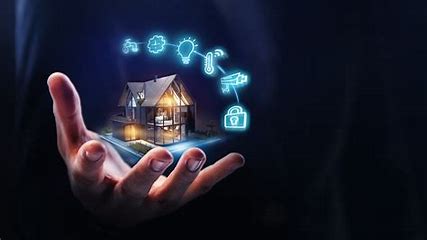
As technology continues to evolve, the concept of a "smart home" has transitioned from a futuristic idea to a reality. In 2025, the adoption of smart home devices and systems is more widespread than ever before. From voice-controlled assistants to AI-driven security systems, smart homes are redefining the way we live. In this blog, we'll explore the key benefits of smart homes, how they enhance convenience, and the technologies driving their rise.
What is a Smart Home?
A smart home refers to a living space that uses internet-connected devices to control and automate various functions such as lighting, temperature, security, and entertainment. These devices are interconnected through a central hub or platform, allowing homeowners to manage and monitor their home remotely via smartphones or voice commands.
Smart home technology is built around the Internet of Things (IoT), which allows everyday objects to send and receive data, making it possible for homeowners to control almost every aspect of their home environment from anywhere in the world.
Why Smart Homes are Gaining Popularity
One of the primary reasons smart homes are so popular is the level of convenience they offer. With a simple voice command or a tap on a smartphone app, homeowners can control everything from the lighting to the thermostat, even when they're away from home. For example, smart thermostats can learn a homeowner's preferences over time and automatically adjust the temperature to the ideal setting. This allows people to save time and energy, making their homes more comfortable without the need for constant manual adjustments.
Energy efficiency is another significant driver of the smart home trend. Smart thermostats, lighting systems, and appliances can help homeowners reduce energy consumption and lower utility bills. For instance, smart lighting systems can automatically turn off lights when rooms are unoccupied, and smart thermostats can optimize heating and cooling based on usage patterns, ensuring that energy is not wasted.
Smart meters and IoT-enabled appliances also give homeowners real-time insights into their energy usage, enabling them to make informed decisions on how to reduce waste. This not only benefits the environment but also helps homeowners save money in the long run.
Smart homes provide a higher level of security compared to traditional homes. Connected security cameras, smart door locks, and motion sensors offer a robust defense against burglars and intruders. Homeowners can monitor their property remotely, receive instant alerts if something unusual occurs, and even control locks and cameras from their smartphones.
Additionally, many smart home systems include safety features such as smoke detectors, carbon monoxide detectors, and water leak sensors. These devices can alert homeowners to potential dangers before they become emergencies, giving them peace of mind and ensuring the safety of their family and property.
Smart homes are also improving the overall automation of everyday tasks. From smart refrigerators that track grocery inventory to voice-activated assistants that manage shopping lists, calendars, and reminders, technology is helping homeowners stay organized and save time. Smart home hubs, like Amazon Alexa and Google Home, integrate multiple devices and systems into a single platform, simplifying the management of home functions.
For example, homeowners can create “scenes” where various devices work together to enhance daily routines. You could set up a "good morning" scene that turns on the lights, adjusts the thermostat, and starts the coffee machine all at once, making mornings more efficient and pleasant.
One of the most exciting aspects of smart homes is the ability to monitor and control your home from anywhere. Whether you're at work, on vacation, or at the grocery store, you can always keep an eye on your home’s security, check if the lights are off, or adjust the thermostat. This remote control feature is particularly beneficial for people who travel frequently or have second homes. Through smartphones, smart homes offer a seamless experience, ensuring comfort and security no matter where you are.
Technologies Driving Smart Homes in 2025
Voice assistants like Amazon Alexa, Google Assistant, and Apple Siri are at the forefront of the smart home revolution. These platforms act as the central control point for many smart devices, allowing users to issue voice commands to perform tasks like adjusting the temperature, dimming the lights, or playing music.
As voice recognition technology advances, voice assistants are becoming even more intuitive and responsive, making them a key part of the smart home experience.
Artificial intelligence (AI) and machine learning (ML) are enabling smart homes to become even smarter. AI-powered devices, such as smart thermostats, learning thermostats, and voice assistants, can adapt to user preferences and make autonomous decisions to improve home comfort, efficiency, and security.
For instance, AI-driven security systems can recognize faces, differentiate between family members and strangers, and send alerts if unfamiliar faces are detected. Additionally, smart appliances are using AI to optimize energy use, detect anomalies, and automate tasks.
The rollout of 5G technology is expected to enhance smart home systems by providing faster, more reliable internet connections. With 5G, devices will be able to communicate more efficiently, leading to quicker responses from smart home systems and an overall improved user experience.
5G’s low latency and higher bandwidth will also allow for the integration of more devices, enabling the creation of more complex and responsive smart home ecosystems.
Smart sensors are increasingly being used in homes to monitor everything from temperature and humidity to air quality and security. These sensors can alert homeowners to potential problems, such as a gas leak or water damage, before they cause significant damage. The ability to monitor and control sensors remotely gives homeowners peace of mind and ensures their home is operating optimally.
The Future of Smart Homes
As the demand for connected homes continues to grow, the future of smart homes looks bright. We can expect to see further advancements in AI, automation, and IoT integration, making smart homes more efficient, sustainable, and user-friendly. Additionally, with an increased focus on environmental impact, smart homes will play a significant role in helping reduce energy consumption and creating more sustainable living spaces.
Homebuyers in 2025 will expect more than just a functional home – they will look for homes that integrate technology to enhance their living experience. Builders and developers who embrace this shift and adopt smart home technologies will find themselves at the forefront of the real estate market.
Conclusion
Smart homes are no longer a luxury; they are quickly becoming a necessity for modern living. The convenience, security, and energy efficiency that come with smart home technologies are changing how we interact with our living spaces. As smart home technologies continue to evolve, their integration into daily life will only deepen, making life simpler, safer, and more connected.
For businesses looking to integrate smart technologies into their operations or individuals seeking innovative solutions for their homes, Hexadecimal Software offers top-tier software development services. As experts in tech innovation, Hexadecimal Software provides customized solutions to make your digital transformation smoother and more efficient.
Stay informed about the latest real estate trends and technological advancements in smart living on HexaHome Blog.