

Abstract art is a potent means of self-expression, with a liberty greater than the limits of representational art. But within that liberty, there must be structure and intent. Mastering abstract composition and color is key to making works that resonate as balanced, meaningful, and emotionally alive. Whether starting in your abstract exploration or polishing your approach, the advice that follows will give you insight and assurance in your practice.
1. Begin with a Feeling or Concept
While abstract art doesn't represent reality, it typically starts with a genuine emotion or concept. Take a moment to think about what you wish to express before beginning your work. Is it energy, tranquillity, disorder, or peace? Having a central feeling or concept in mind provides your work with direction and enables you to express your creative voice through color and composition in a unique and personal manner. This doesn't necessarily mean your work has to be strictly symbolic, but even having a loose intention can direct your application of form, space, and color. Intent gives unity to the mess and makes your work ring.
2. Learn the Rules—Then Break Them
Most abstract artists assume that freedom consists of disregarding structure, yet solid compositions hardly ever happen accidentally. Take a moment to appreciate the components of color and composition in art—the likes of balance, contrast, harmony, and rhythm. Look at the work of artists like Rothko or Kandinsky to observe how they applied these rules skillfully. Once you know what creates a sense of "completeness" in a composition, you can begin to break the rules on purpose. That's when abstract composition and color mastery starts—when you know what to do even when you choose to break the rules.
3. Use Color with Purpose
In abstract work, color tends to become the subject matter. Consider the mood each color produces. Red might be passionate or angry, whereas blues and greens might be soothing or sombre. The contrast between colors—complementary or analogous—can also shift the energy of a work. To voice your artistic voice through color and composition, test out various color combinations. Challenge yourself to use only three colors in a single painting and try to see how far you can take their interaction. Experiment with saturation, temperature, and contrast. You'll find how much influence color itself has in defining your composition.
4. Engage Intuition and Play
One of the pleasures of abstract painting is that it can be so spontaneous. Go with your instincts. Feel free to be aggressive—a random slash of a brush, a drop of color, a layer scratched away. At other times, the most compelling compositions emerge out of errors or accidents. By leaving space for play, not only do you test out other possibilities but also learn how to speak your artistic voice with color and composition more intuitively. Leave your process loose sometimes and only tighten it when you have a strong visual draw in a particular direction.
5. Use Value and Space Wisely
Though color draws the eye, value (lightness or darkness of color) unites the composition and express your artistic voice with color and composition. Powerful abstracts tend to possess a definite value structure that helps to organize visual weight on the canvas. Add high contrast in important places to lead the eye. Negative space, or spaces left deliberately blank, is just as essential. It provides a resting place for the eye and can be a powerful form of compositional balance. Understanding how light and dark combine is essential in mastering abstract composition and color.
6. Layer Your Work
Layering introduces depth, history, and texture to abstract art. You can layer up thin washes of color, scrawl over dried paint, or scrape through the layers to expose what lies beneath. This method provides your artwork with a feel of time and development. Layering also makes it easy to change your mind about decisions and make adjustments to your color and composition in art as you work. Don't worry if it doesn't come out perfectly on the first attempt—abstract art is more about the process than the end product.
Conclusion
Abstract art may seem freeform, but it’s grounded in intention, exploration, and a deep understanding of color and composition in art. By combining emotional intuition with thoughtful technique, you’ll find new ways to express your artistic voice with color and composition in powerful and personal ways. Let yourself explore, experiment, and aboveall, enjoy the journey of mastering abstract composition and color. What are you waiting for? Contact Art and Success now
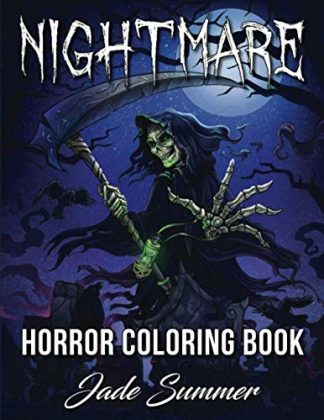
Our Nightmare coloring book takes you on an unforgettable journey into a dark fantasy world of monsters and haunting scenes.
We have included a variety of horror-themed artwork, so you get to color everything from the moderately creepy to the downright terrifying.Read More: https://xnxadultstore.com/