

In the demanding world of marine engineering, precision components are vital for vessel reliability. Amot Control Valves excel in regulating fluid flow, pressure, and temperature, ensuring seamless operation in harsh marine environments. Renowned for durability and accuracy, these valves are critical for ship systems facing saltwater corrosion, high pressures, and extreme temperatures.
What is an Amot Control Valve?
Amot Control Valves are engineered to manage the flow of liquids and gases in marine machinery with precision. Their robust design and high-quality materials make them ideal for challenging conditions. Key components include:
- Valve Body: Crafted from corrosion-resistant materials like stainless steel or bronze. Actuator: Ensures precise valve positioning for accurate flow control. Seals & Gaskets: High-grade materials prevent leaks and enhance durability. Trim Components: Plug, seat, and stem regulate fluid passage effectively.
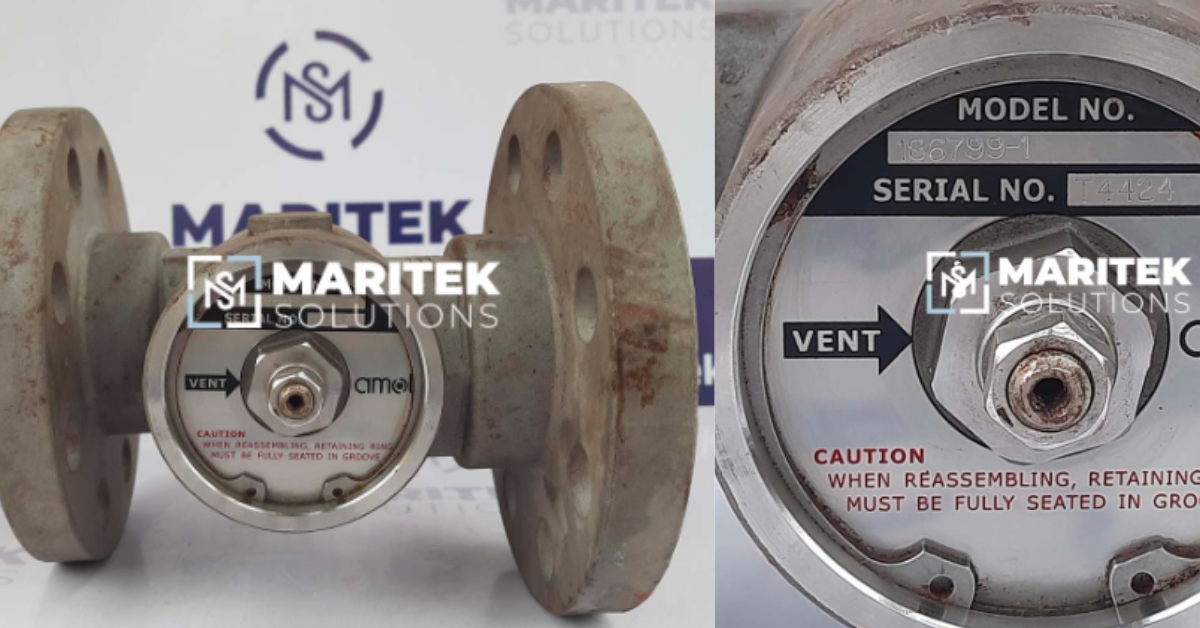
The Amot 186799-1 model is particularly valued for its reliability in fuel, cooling, and hydraulic systems.
Key Features of Amot Control Valves
- Corrosion Resistance: Built with stainless steel and protective coatings to withstand saltwater exposure. High-Pressure/Temperature Performance: Operates reliably in extreme conditions, perfect for engine cooling and hydraulic systems. Precise Flow Control: Maintains consistent pressure and flow, preventing system failures. Low Maintenance: Durable design minimizes upkeep, reducing downtime and costs. Marine Compliance: Meets international maritime safety standards, ensuring reliability.
Applications in Marine Systems
Amot Control Valves are integral to various marine operations:
- Fuel Management: Controls fuel supply to engines and boilers, enhancing efficiency and reducing emissions. Hydraulic Systems: Maintains stable pressure for cranes, winches, and steering mechanisms. Lubrication: Manages oil distribution to reduce friction and extend machinery life. Bilge/Ballast Systems: Ensures efficient water flow for vessel stability and safety. Compressed Air Systems: Regulates air pressure for automation and control systems.
Benefits of Amot Control Valves
- Operational Efficiency: Precise control reduces energy use and improves fuel efficiency. Extended Equipment Life: Minimizes wear on machinery, prolonging service life. Enhanced Safety: Leak-proof, robust designs ensure reliable performance in extreme conditions. Cost Savings: Durable materials lower maintenance and repair costs. Environmental Compliance: Supports efficient fuel use, helping meet strict regulations.
Maintenance Tips for Longevity
- To ensure optimal performance, follow these maintenance practices: Regular Inspections: Check for leaks, corrosion, or unusual noises; inspect seals and actuators. Cleaning: Remove salt and debris with marine-safe cleaning agents. Lubrication: Apply marine-grade grease to moving parts for smooth operation. Calibration: Periodically verify pressure and flow settings. Part Replacement: Use genuine Amot spares for worn seals or gaskets.
Selecting the Right Amot Valve
- Choose the appropriate valve by considering: System Needs: Match flow rate, pressure, and temperature requirements. Material Compatibility: Select materials suited for the fluid type (e.g., fuel, water). Valve Size/Connection: Ensure compatibility with existing pipelines. Certifications: Verify compliance with standards like ISO, DNV, or ABS. Supplier Reliability: Purchase from authorized distributors for authentic products and support.
Conclusion
Amot Control Valves, exemplified by the 186799-1 model, are vital for marine operations, offering corrosion resistance, precise control, and durability. Their ability to optimize critical systems like cooling, fuel, and hydraulics ensures efficiency, safety, and compliance. By adhering to maintenance and selection guidelines, marine engineers can rely on Amot valves for smoother voyages and long-lasting equipment performance.