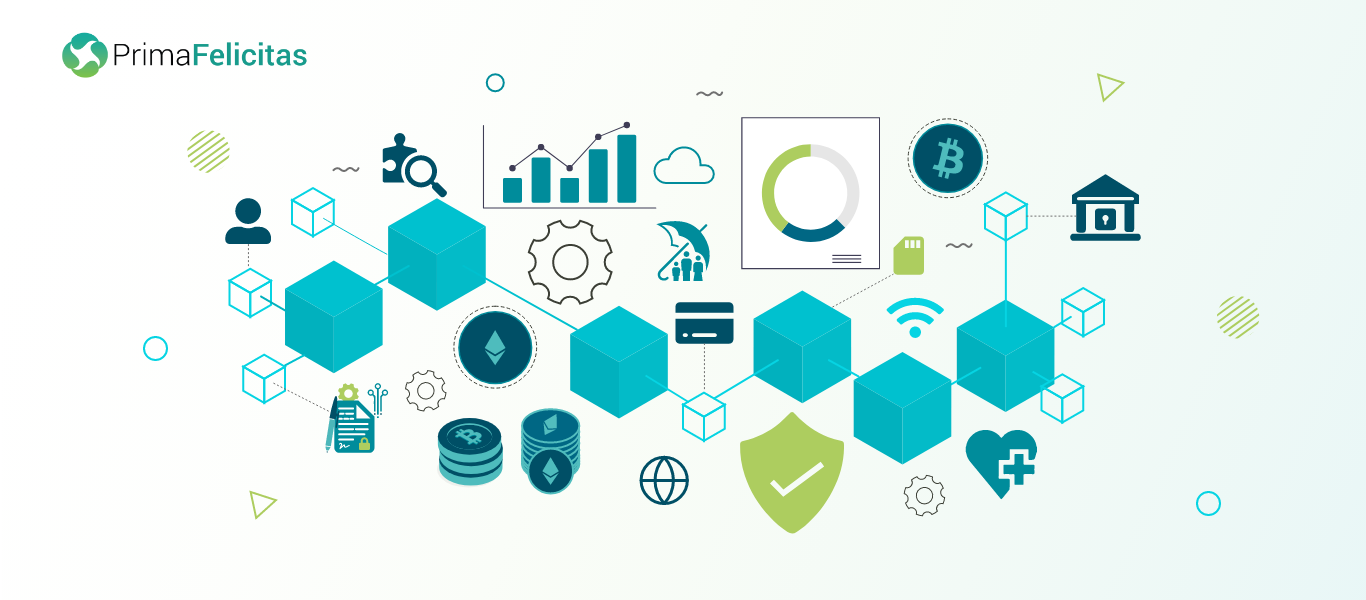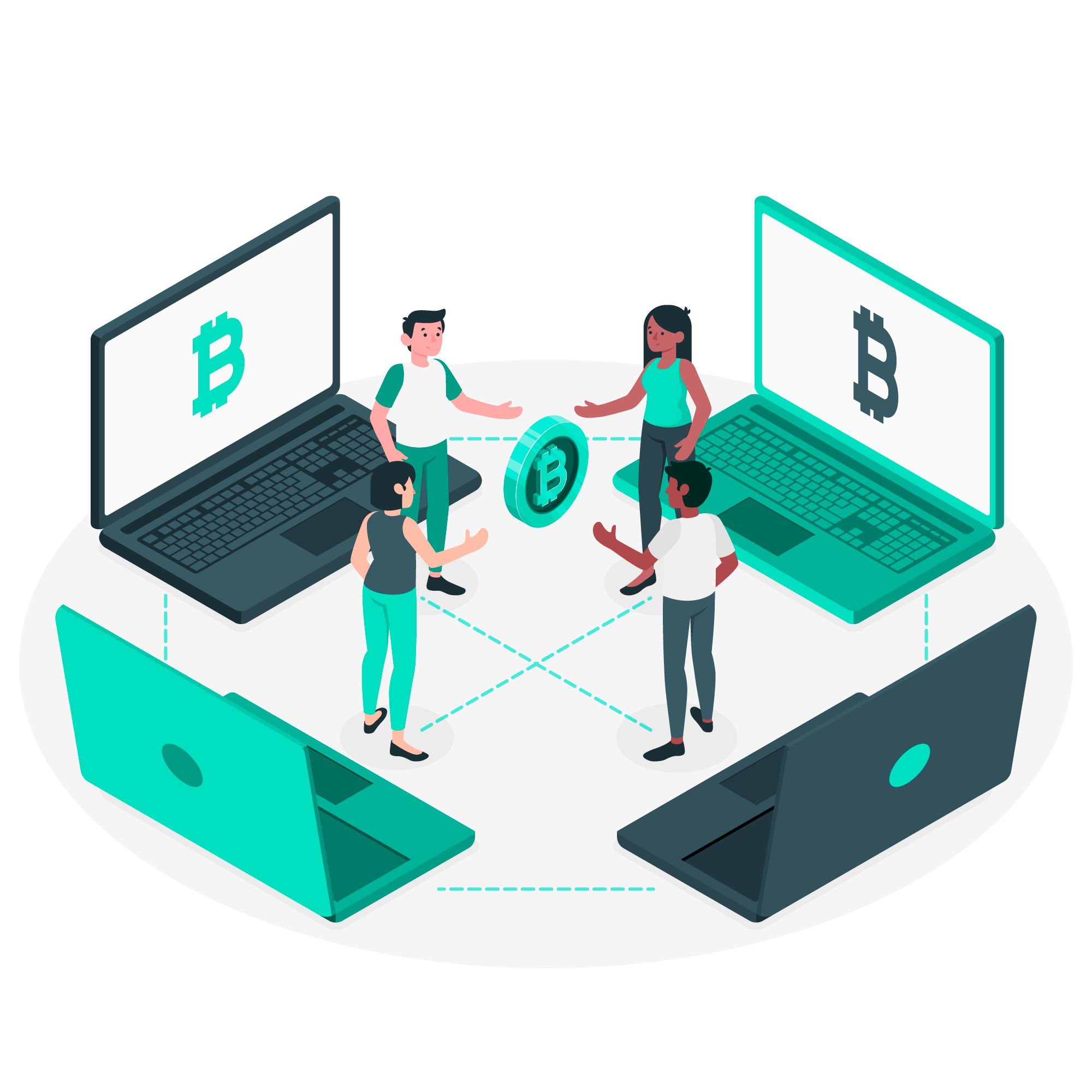



Blockchain development has evolved beyond cryptocurrencies to become a game-changing technology across a multitude of industries. What began as the foundation for Bitcoin has matured into a robust tool that’s revolutionizing how businesses handle data, transactions, and trust. In this article, we explore how blockchain is reshaping modern industries and driving innovation, efficiency, and digital trust at scale.
The Core Value of Blockchain Development
Blockchain isn't just a buzzword. It's a foundational infrastructure with the power to replace outdated systems, eliminate inefficiencies, and build ecosystems where trust is native—not assumed. By enabling decentralized, tamper-resistant, and transparent data sharing, blockchain development paves the way for solutions that were once considered impossible in centralized digital environments.
Digital Finance: From Banks to Borderless Economies
Traditional banking systems are slow, expensive, and exclusionary. Blockchain is flipping that model upside down.
Cross-Border Payments with Zero Middlemen
Global money transfers are now faster, cheaper, and more transparent through blockchain. Solutions like RippleNet and Stellar are reducing friction in international payments, making SWIFT networks look obsolete. Transactions that used to take days are now executed in seconds—with full traceability and minimal fees.
Programmable Finance Through Smart Contracts
Smart contracts, powered by platforms like Ethereum, are automating everything from loan approvals to investment portfolios. With no human involvement, these contracts execute instantly when predefined rules are met—eliminating errors, delays, and biases.
Healthcare Transformation: Security and Sovereignty in Patient Data
Blockchain is empowering healthcare providers and patients with secure and interoperable data ecosystems that foster better outcomes.
Patient-Centric Recordkeeping
Instead of storing fragmented records across multiple hospital systems, blockchain allows patient data to live in a decentralized ledger—accessible only to authorized parties. Patients can share their entire health history instantly with new providers, improving diagnosis and treatment.
Medical Supply Authenticity
Counterfeit drugs are a global problem. Blockchain enables track-and-trace capabilities from manufacturer to pharmacy, ensuring that patients receive safe and genuine medication. Systems like MediLedger are already in use by pharmaceutical giants to uphold supply chain integrity.
Supply Chains: Transparent, Efficient, and Tamper-Proof
Blockchain brings real-time visibility and immutable record-keeping to one of the most complex industries: logistics and supply chain.
End-to-End Product Visibility
From the farm to the fork, or factory to customer, every checkpoint of a product’s journey can be logged on a blockchain. This traceability helps brands meet compliance standards, reduce waste, and enhance accountability—especially in sectors like food, fashion, and electronics.
Automated Audits and Compliance
With blockchain, regulatory audits can be done automatically, reducing the need for time-consuming paperwork. Whether it's carbon emissions, ethical sourcing, or product certifications, all data is stored transparently and securely.
Government and Public Services: Elevating Trust and Efficiency
Public institutions are notorious for red tape and data opacity. Blockchain offers a remedy.
Transparent Public Records
Land registries, voting systems, and identity records can all benefit from blockchain’s unchangeable data model. Governments in countries like Estonia and Dubai are pioneering blockchain-based public services to cut bureaucracy and improve citizen trust.
Digital Identity Verification
Self-sovereign identity systems built on blockchain allow individuals to own and control their digital IDs, reducing identity theft and simplifying access to services like banking, healthcare, and education.
Real Estate: Streamlining Transactions and Ownership
The real estate sector, often burdened by slow transactions and fraudulent claims, is being reimagined by blockchain development.
Tokenized Property Ownership
Blockchain enables fractional ownership through real estate tokens, opening the door for micro-investments in properties. This reduces entry barriers and enhances liquidity in a traditionally illiquid market.
Smart Contract-Based Deals
Buyers and sellers can engage in fully digital, self-executing contracts, removing intermediaries and ensuring faster, safer closings.
Media and Entertainment: Restoring Creator Control
In an era of content piracy and unfair royalties, blockchain restores power to creators.
NFTs and Ownership of Digital Assets
With non-fungible tokens (NFTs), artists and musicians can tokenize their work and sell directly to audiences—retaining royalties automatically via smart contracts. This peer-to-peer economy eliminates the need for middlemen and enables creators to build sustainable careers.
Anti-Piracy Measures
Blockchain-based watermarks and access controls ensure that content is only accessible to authorized users, reducing illegal distribution and protecting intellectual property.
Energy and Utilities: Decentralizing Power Distribution
Blockchain is catalyzing a new wave of innovation in how energy is produced, shared, and consumed.
Peer-to-Peer Energy Trading
Through blockchain, residential solar energy producers can trade excess energy directly with neighbors. This promotes energy independence, lowers costs, and supports the transition to green energy.
Transparent Carbon Credits
Blockchain ensures accurate tracking and trading of carbon credits, helping companies meet sustainability goals with full audit trails and regulatory compliance.
Insurance: Accelerating Claims and Reducing Fraud
Insurers are using blockchain to eliminate paperwork, speed up claim processing, and detect fraudulent behavior.
Instant Claims Settlement
Smart contracts can automate claim assessments and disbursements once conditions are verified—drastically reducing delays and administrative overhead.
Tamper-Proof Records
Blockchain-based policy and claim histories are immutable, allowing for more accurate risk assessment and fraud prevention.
The Evolution of Enterprise Blockchain Solutions
Blockchain is no longer a niche experiment—it’s becoming mission-critical infrastructure for Fortune 500 companies and governments alike. Major technology providers such as IBM, Microsoft, and Oracle are offering enterprise-grade blockchain platforms for industries that demand scalability, compliance, and integration with legacy systems.
Challenges to Adoption and the Road Ahead
While blockchain holds transformative potential, adoption isn't without obstacles. Regulatory uncertainty, energy consumption, and scalability concerns continue to be discussed. However, Layer 2 scaling solutions, eco-friendly consensus mechanisms like Proof of Stake, and clearer legal frameworks are paving the way for broader implementation.
As organizations mature in their digital transformation journeys, blockchain development will become a strategic priority, not just a tech trend. It’s a foundational pillar for a future where transparency, efficiency, and digital trust are non-negotiable.